
How Long Do Satellites Stay In Orbit

Hey there, space enthusiast! Ever looked up at the night sky and wondered how long those sparkly satellites stay up there? Well, grab your cosmic beverage of choice (mine's Tang, naturally!), because we're about to dive into the surprisingly fascinating world of satellite lifespans!
So, the million-dollar question: How long do satellites stay in orbit? The short answer? It depends! (I know, I know, classic cop-out answer, right? But stick with me!). It's like asking how long a car lasts – it depends on the model, how you drive it, and whether you remember to change the oil... or, in a satellite's case, if it gets smacked by space junk.
The Altitude Affects Attitude (and Orbit Time!)
One of the biggest factors is a satellite's altitude. Think of it like this: the higher up it is, the less it has to fight against atmospheric drag. Yep, even way up there, there's still a tiny bit of atmosphere trying to slow things down. It's like trying to run a marathon wearing a lead vest... slowly but surely, it's going to take its toll.
Must Read
Low Earth Orbit (LEO) satellites, which are generally below 1,200 miles (2,000 km), are the workhorses of space. They're used for everything from the International Space Station (ISS) to Earth observation and communication. But because they're closer to Earth, they experience more drag. These guys might only stick around for a few years, maybe 5 to 7 on average. They need to periodically fire their engines to stay in place.
If they don't? Well, gravity eventually wins, and they start to spiral back down, burning up in the atmosphere in a fiery (but usually harmless) display. Think of it as a spectacular, albeit unintentional, fireworks show!
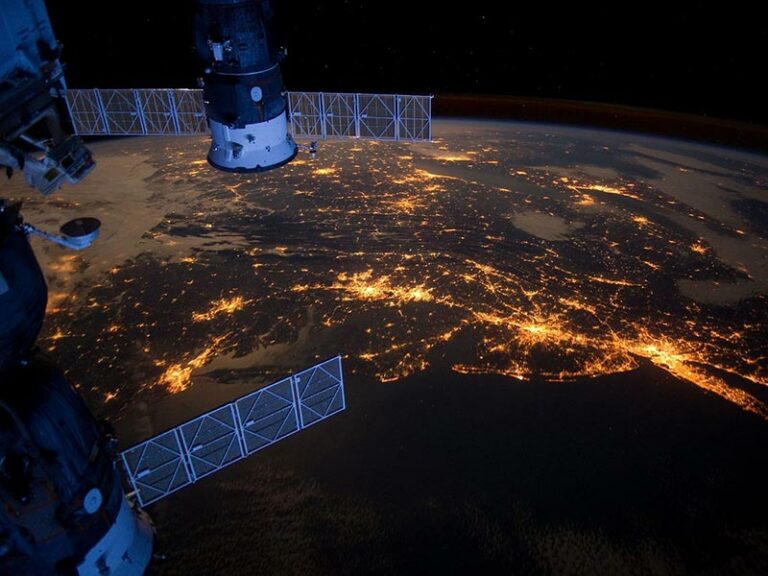
Now, let's talk about the Medium Earth Orbit (MEO) satellites. These guys hang out at around 12,400 miles (20,000 km). This is where you'll find a lot of GPS satellites, helping you navigate your way to that delicious pizza place. Because they are higher up, they're less affected by atmospheric drag, so they tend to last a bit longer – often around 10-15 years. They're the reliable, long-distance runners of the satellite world.
And finally, we have the kings and queens of the orbital realm: Geostationary Orbit (GEO) satellites. Parked way out at 22,236 miles (35,786 km), they orbit at the same speed as the Earth rotates, meaning they always stay over the same spot on the ground. These are your TV satellites, your weather satellites… the ones that make sure you can binge-watch your favorite show even during a hurricane (priorities, people!). Because they’re so far out, they can last a very long time – often 15 years or more. It's like they've found the ultimate cosmic parking spot!

Other Factors Influencing Satellite Lifespan
Altitude isn't the only player in the satellite longevity game. Things like the amount of fuel on board are crucial. Satellites need fuel to make corrections to their orbit, avoid collisions with space junk (yikes!), and maintain their orientation. Running out of fuel is basically like running out of gas on the highway – you're stranded!
Then there's the satellite's design and construction. A well-built satellite with robust components is going to last longer than one slapped together with duct tape and bubble gum (though, admittedly, a satellite held together with duct tape would be pretty darn impressive!).
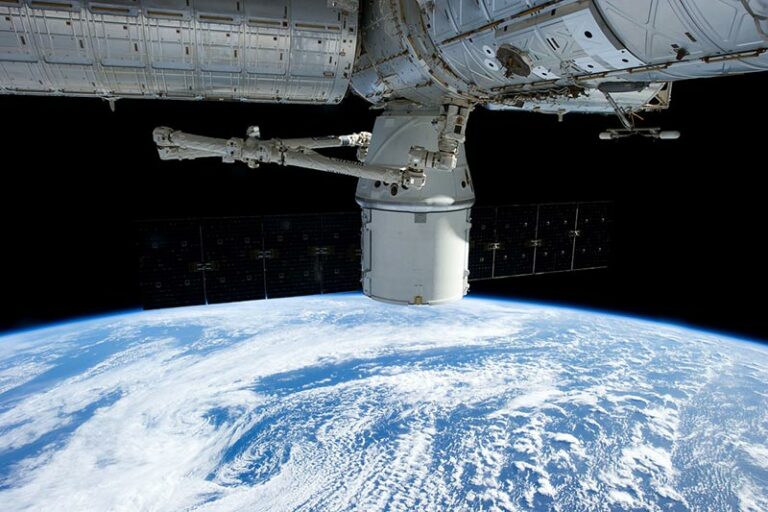
And of course, there's the dreaded space weather. Solar flares and radiation can wreak havoc on a satellite's electronics, shortening its lifespan. It’s like getting a sunburn… but for a satellite!
What Happens When They Die?
So, what happens when a satellite reaches the end of its life? Well, ideally, operators will de-orbit it, meaning they'll use its remaining fuel to guide it into the atmosphere where it will burn up. This helps prevent space junk from accumulating and creating a hazard for other satellites. It's the responsible thing to do, like recycling your soda cans... but on a cosmic scale!

Sometimes, de-orbiting isn't possible. In those cases, GEO satellites are often moved to a "graveyard orbit" far away from other operational satellites. It's like putting them in a retirement home for old satellites… a very, very quiet retirement home.
But hey, even when a satellite dies, its legacy lives on. It contributed to our understanding of the universe, helped us communicate, and maybe even kept us entertained. And who knows, maybe someday we'll be able to recycle those old satellites and turn them into something new! Now that would be something!
So, there you have it! The not-so-secret life of satellites and their surprisingly varied lifespans. Next time you look up at the night sky, remember those little metal birds, tirelessly orbiting our planet, and the fascinating (and sometimes precarious) lives they lead. They’re out there, doing their thing, and that’s pretty darn cool. Now, if you'll excuse me, I need to go refill my Tang. Space exploration makes a person thirsty!