How Long Do Plastic Septic Tanks Last
Alright, let's talk about something that might not be the most glamorous topic at your next dinner party, but it's absolutely crucial for millions of homeowners: septic tanks! Specifically, we're diving into the wonderful world of plastic septic tanks and answering that burning question, "How long do they actually last?" If you're a homeowner, especially in a rural or suburban area without municipal sewer hookups, your septic system is a silent, hardworking hero. Understanding its lifespan isn't just useful; it gives you incredible peace of mind and helps you plan for the future, making it a surprisingly engaging and important discussion!
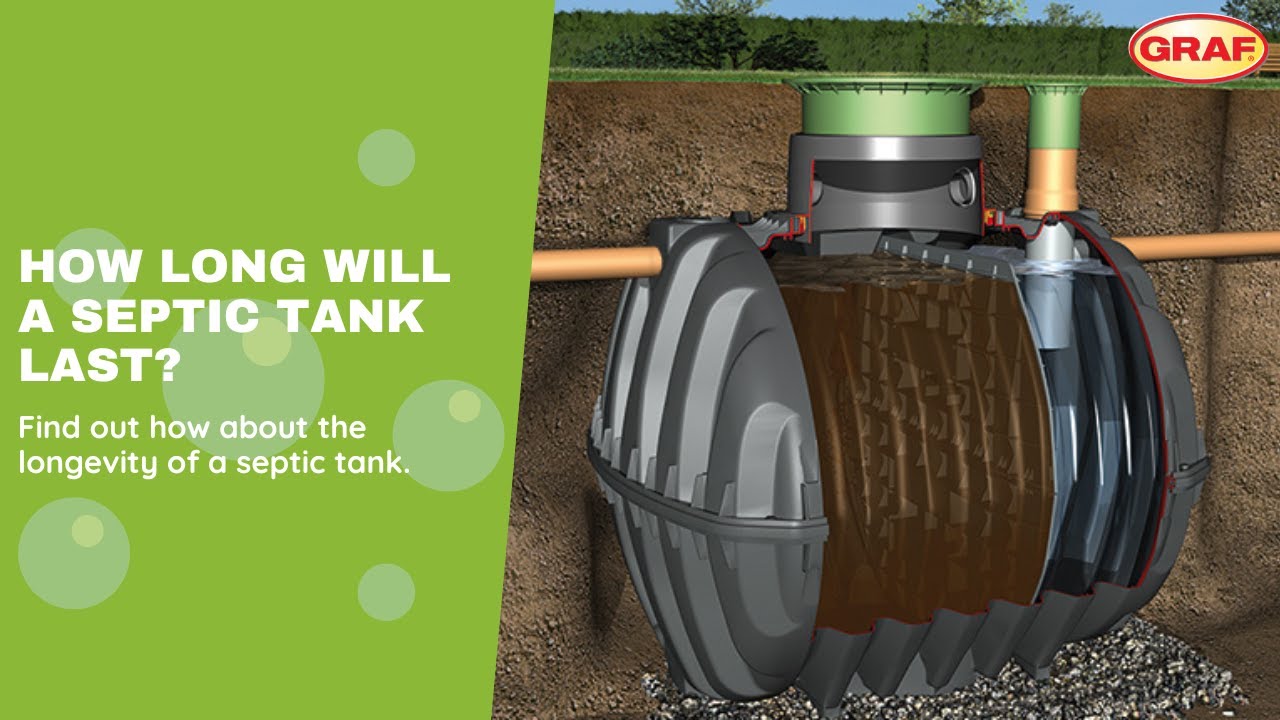
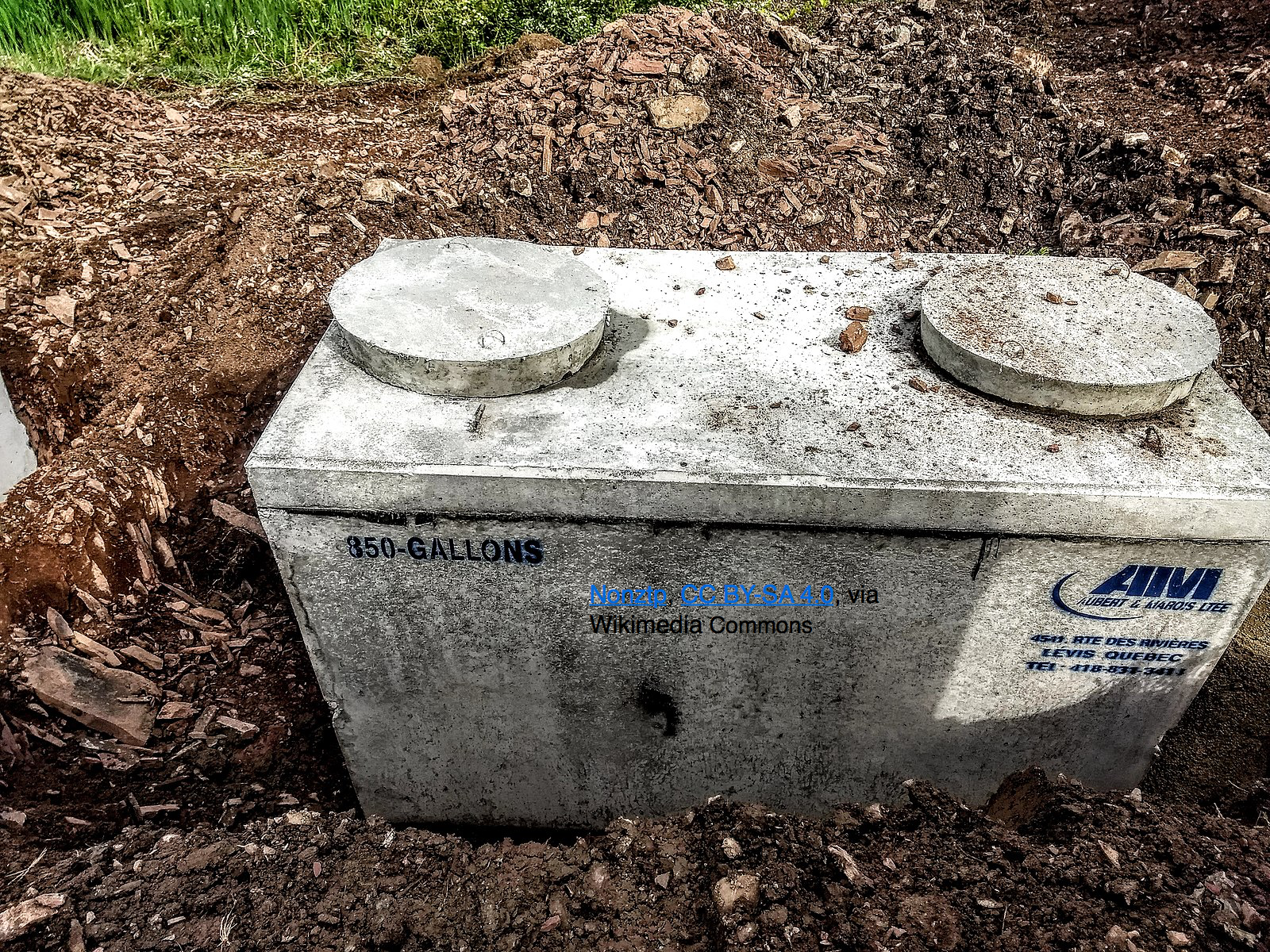
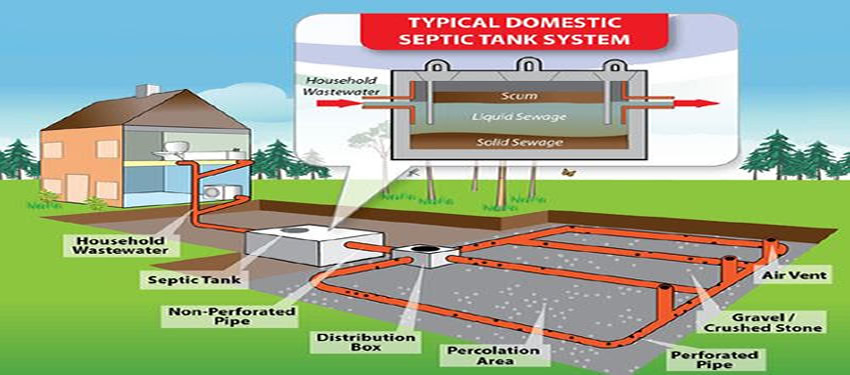
So, what exactly is a plastic septic tank? Well, it's essentially a large, watertight container, usually made from high-density polyethylene (HDPE), buried underground. Its main job is to receive all the wastewater from your home – think sinks, showers, toilets – and begin the treatment process. Solids settle to the bottom, forming sludge, while lighter materials like oils and grease float to the top, forming scum. The partially treated liquid, called effluent, then flows out into a drain field for further natural filtration. The benefits of plastic tanks are numerous: they’re lightweight, making them easier and often cheaper to transport and install than their concrete counterparts. They’re also completely corrosion-resistant, meaning they won't rust or decay from the inside out, which can be a concern with other materials.
Now for the big reveal: How long do these plastic wonders truly endure? You'll be happy to know that a well-installed and properly maintained plastic septic tank can last anywhere from 20 to 50 years, or even longer! That's right, we're talking about multiple decades of reliable service. This impressive longevity is largely thanks to the inherent properties of HDPE plastic, which is incredibly durable and resistant to chemicals, extreme temperatures, and general wear and tear from being buried underground.
Must Read
However, like any investment, several factors can influence your tank's ultimate lifespan. The quality of the initial installation is paramount; a tank that isn't properly bedded or leveled can experience undue stress. What you put down your drains also matters immensely. Flushing harsh chemicals, excessive grease, or non-biodegradable items (like wet wipes) can upset the delicate bacterial balance crucial for the system's function and potentially lead to clogs or damage. Even environmental factors like extreme ground temperatures or significant ground movement can play a minor role. But perhaps the single most important factor is regular maintenance.
Want your plastic septic tank to hit that 50-year mark and beyond? Here are the secrets to longevity: First, get your tank pumped out every 3-5 years, depending on your household size and usage. This prevents excessive sludge buildup, which can reduce the tank's efficiency and lifespan. Second, be mindful of what goes down the drain – treat your septic system like a living organism! Avoid harsh chemical cleaners, limit garbage disposal use, and never flush anything that isn't toilet paper or human waste. Finally, consider periodic inspections by a qualified professional to catch any potential issues early. With a little care and attention, your trusty plastic septic tank will continue its silent, essential work, providing you with reliable wastewater treatment for decades to come.