
How Long Do Extensions Last In Your Hair
Okay, let's talk hair extensions. Not in a super-serious, salon-only kind of way, but in a real-life, "I want long, flowing locks but also wanna pay my rent" kind of way. We’re tackling the big question: How long do these beauties actually last? Because let’s be honest, investing in extensions is like investing in a good handbag – you want to know it’s going to hold up!
The Short Answer (and Why It's Not Enough)
The super short answer? It depends. I know, eyeroll, that's probably not what you wanted to hear. But it's true! Think of it like asking, “How long will my groceries last?” A head of lettuce will have a very different shelf life than a jar of pickles. Same goes for extensions!
So, what's the long answer? Buckle up, buttercup, because we're about to dive into the factors that influence your extension lifespan.
Must Read
Extension Type: The Foundation of Longevity
This is huge. Different types of extensions are applied differently, and that directly affects how long they stay gorgeous. Let's break down a few popular choices:
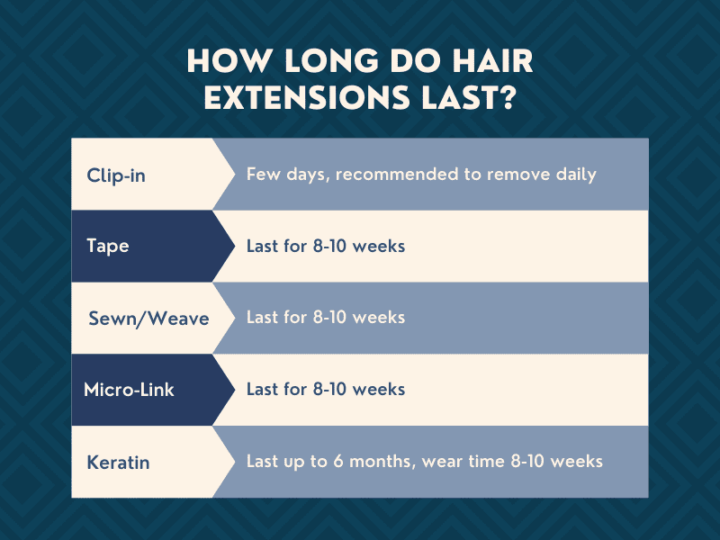
- Clip-ins: These are the commitment-phobes of the extension world. Think of them like your favorite party dress – you wear them for a night out and then carefully put them away. Clip-ins can last years with proper care because they aren't constantly attached to your hair.
- Tape-ins: These are a bit more committed. They're taped to sections of your natural hair, creating a seamless blend. They usually last around 6-8 weeks before needing to be re-taped and moved up. Imagine them like getting your nails done – you know you’ll need a fill eventually!
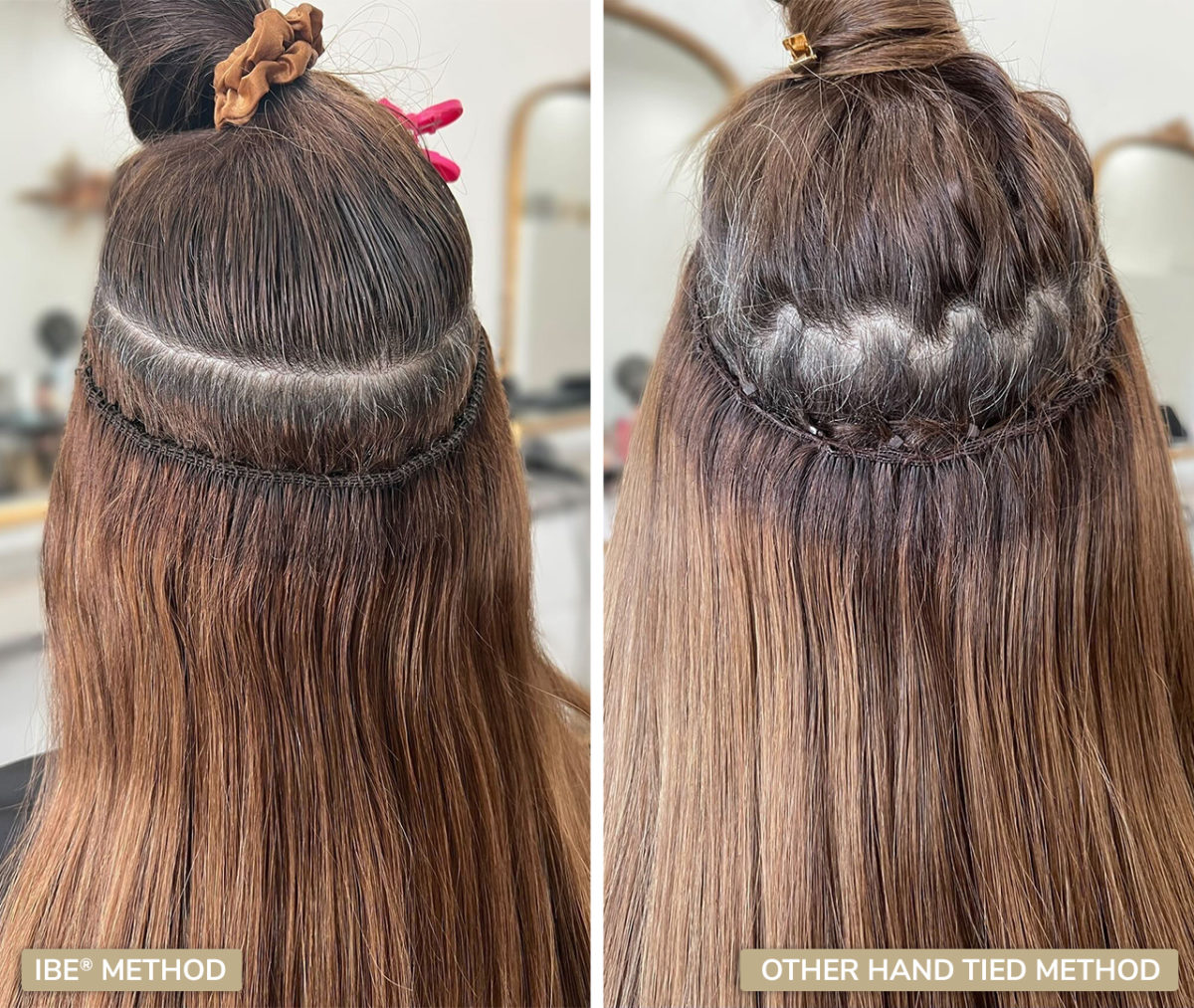
- Sew-ins (Weaves): Sew-ins involve braiding your natural hair and then sewing the extensions onto the braids. These can last 6-8 weeks, too, sometimes longer depending on how quickly your hair grows. It’s like planting a garden – you need to tend to it regularly to keep it healthy and thriving.
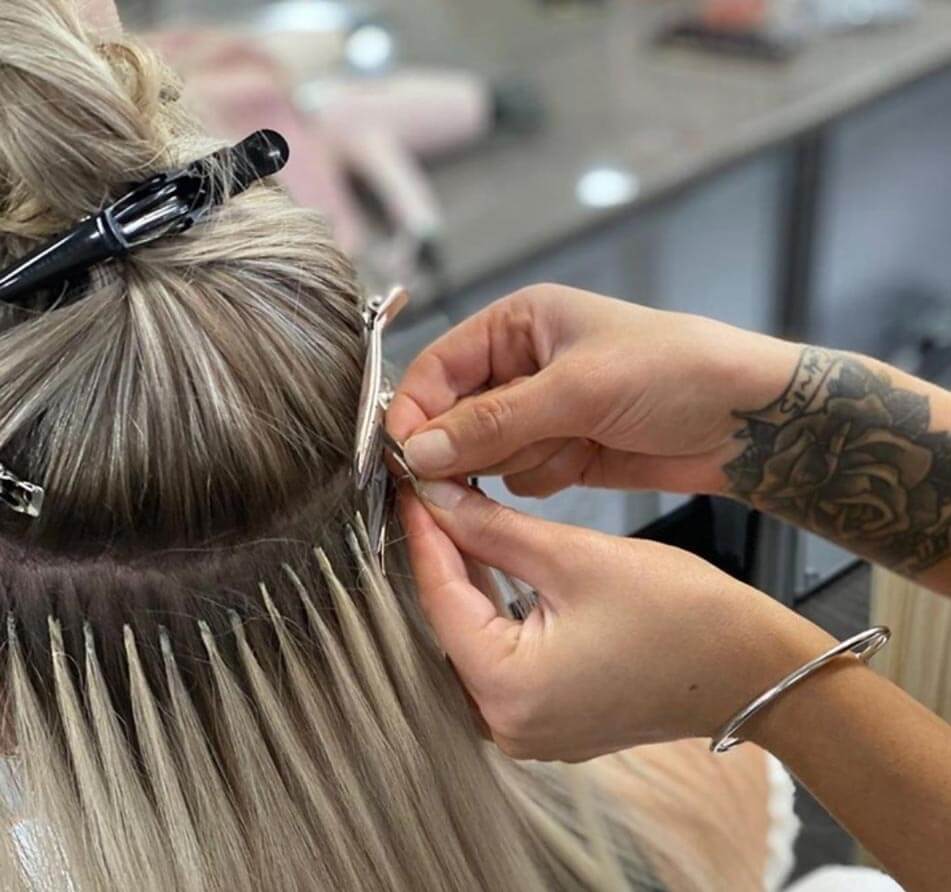
- I-tip/Micro-link extensions: These involve attaching small bundles of hair to your natural hair using tiny beads or links. They can last 3-6 months, but require regular maintenance to tighten the links as your hair grows. Think of them as tiny, delicate jewels – they need a little extra TLC to keep shining!
- Keratin Bond (Fusion) Extensions: These are attached to your hair using a keratin-based adhesive, bonded to your hair with heat. They last the longest, typically around 3-6 months, but can be the most damaging if not applied and removed correctly. It's like getting a permanent tattoo – you want to be absolutely sure before committing!
Hair Quality: You Get What You Pay For
Just like with anything else in life, you generally get what you pay for. Higher quality human hair extensions will last longer, look more natural, and be easier to style than synthetic or lower-grade human hair. Imagine buying a cheap t-shirt versus a designer blouse – one will fade and lose its shape after a few washes, while the other will stay looking fabulous for years. Spend a little more upfront for better quality, and you'll save money in the long run!
Lifestyle and Maintenance: Treat Your Extensions Like Royalty!
This is where you come in! How you treat your extensions will dramatically impact their lifespan. Think of them like a delicate flower – they need the right conditions to flourish.
- Washing: Don't over-wash! Too much shampoo can dry out the extensions and loosen the bonds. 2-3 times a week is usually plenty.
- Brushing: Use a soft-bristled brush designed for extensions to prevent tangling and breakage. Be gentle!
- Sleeping: Braid your hair loosely or use a silk scarf to protect your extensions from friction while you sleep. Imagine tucking them into a cozy little nest!
- Heat Styling: Excessive heat can damage extensions, just like it damages your natural hair. Use heat protectant spray and keep the temperature low.
- Products: Use sulfate-free shampoos and conditioners that are specifically designed for extensions. Harsh chemicals can strip the hair and shorten its lifespan.
The "Hair Growth" Factor
Your natural hair growth also plays a role. As your hair grows, the extensions will move further away from your scalp, making them more prone to tangling and potentially putting stress on your natural hair. This is especially true for tape-ins, sew-ins, and micro-links, which is why regular move-up appointments are crucial.
When to Say Goodbye
Eventually, all good things must come to an end. Even with the best care, extensions will eventually need to be replaced. Here are a few signs it's time for a fresh set:
- Excessive tangling or matting, even with proper brushing.
- Significant shedding.
- The extensions are noticeably damaged or dry.
- They no longer blend seamlessly with your natural hair.
Think of it like retiring your favorite pair of jeans – they might have served you well, but eventually, it's time to let them go!
The Bottom Line: Knowledge is Power (and Longer Hair!)
Understanding the different types of extensions, choosing high-quality hair, and practicing proper maintenance are all key to maximizing the lifespan of your extensions. And remember, consulting with a qualified stylist is always a good idea! They can assess your hair type, recommend the best extension method for you, and provide personalized care instructions. So, go forth and rock those long, luscious locks with confidence! Just remember to treat them with love, and they’ll reward you with beautiful hair for months to come.

