
How Long Can You Use An Infant Car Seat

That tiny bundle, so precious, so fragile, tucked into their very first ride home from the hospital. The infant car seat isn't just a piece of gear; it's a silent guardian, a tiny, portable fortress.
It cradles your new arrival, promising safety and comfort on every journey. From quick trips to the grocery store to those first epic visits to grandma's house, it holds your most valuable cargo with unwavering dedication.
You spend weeks researching the perfect one, meticulously checking safety ratings and comparing features. This sturdy contraption becomes a symbol of new parenthood, a practical icon in your living room.
Must Read
Yet, in what feels like the blink of an eye, your little sprout starts to feel a bit... snug. Their tiny feet begin to kick the backrest, their head peeks a little too high over the top, signaling a change.
The question inevitably arises: "How long, exactly, can this faithful companion stay with us?" Surely, something so well-built, so essential, can last through multiple siblings, right?
You might even envision it becoming a cherished family heirloom, passed down through generations. A sentimental keepsake, holding the history of first rides for every new addition.
And then, you discover the secret, a quiet little detail often overlooked amidst the joy and chaos of babyhood. Your trusty infant car seat, much like a carton of milk, has an expiration date.
It's usually a tiny sticker, tucked away on the back or bottom, almost like a whispered secret the manufacturer hopes you'll eventually find. For many parents, this revelation comes as a complete and utter surprise.

The Unexpected Expiry
Imagine finding out your favorite comfy chair, which has seen you through countless movie nights, suddenly had a "best by" date. That’s a bit how it feels for new parents.
The first reaction might be a groan. "Another thing to buy!" you might think, mentally recalculating the budget for baby gear. The financial aspect of parenthood certainly keeps us on our toes.
Or perhaps, a moment of good-natured denial.
"But it looks perfectly fine! It's barely been used for nine months!"you might argue with yourself, inspecting the pristine fabric.
It's true, visually, a car seat can appear immaculate, especially if it's been well-cared for. But its longevity isn't just about superficial appearances or how many spills it's survived.
The expiration date isn't a ploy by manufacturers to sell more seats; it's a serious safety measure. Think of it like a superhero suit designed for a specific mission, not for eternity.
Over time, the materials that make up the seat—the plastic shell, the fabric, the harnesses, even the internal components—undergo subtle changes. Daily temperature fluctuations in your car can take a toll.
Sun exposure can subtly weaken the plastic, making it less resilient in the event of an impact. The constant stress of strapping in a wiggly baby, day in and day out, can affect the integrity of buckles and straps.
Even storing it in a garage, exposed to varying humidity, can play a part. These cumulative effects, though unseen, compromise the seat's ability to perform its life-saving job.
Manufacturers continuously innovate, improving designs and materials based on the latest safety research. An older seat, even if unused, might not meet the most current safety standards.
A Bittersweet Farewell
That little seat holds so many precious memories: first sleepy smiles, quiet car naps, the relief of reaching your destination after a long drive. It’s been witness to countless milestones.
Letting go of it can feel like closing a chapter, a bittersweet farewell to the infant stage. It's a tangible reminder of just how small they once were, a relic from their earliest days.
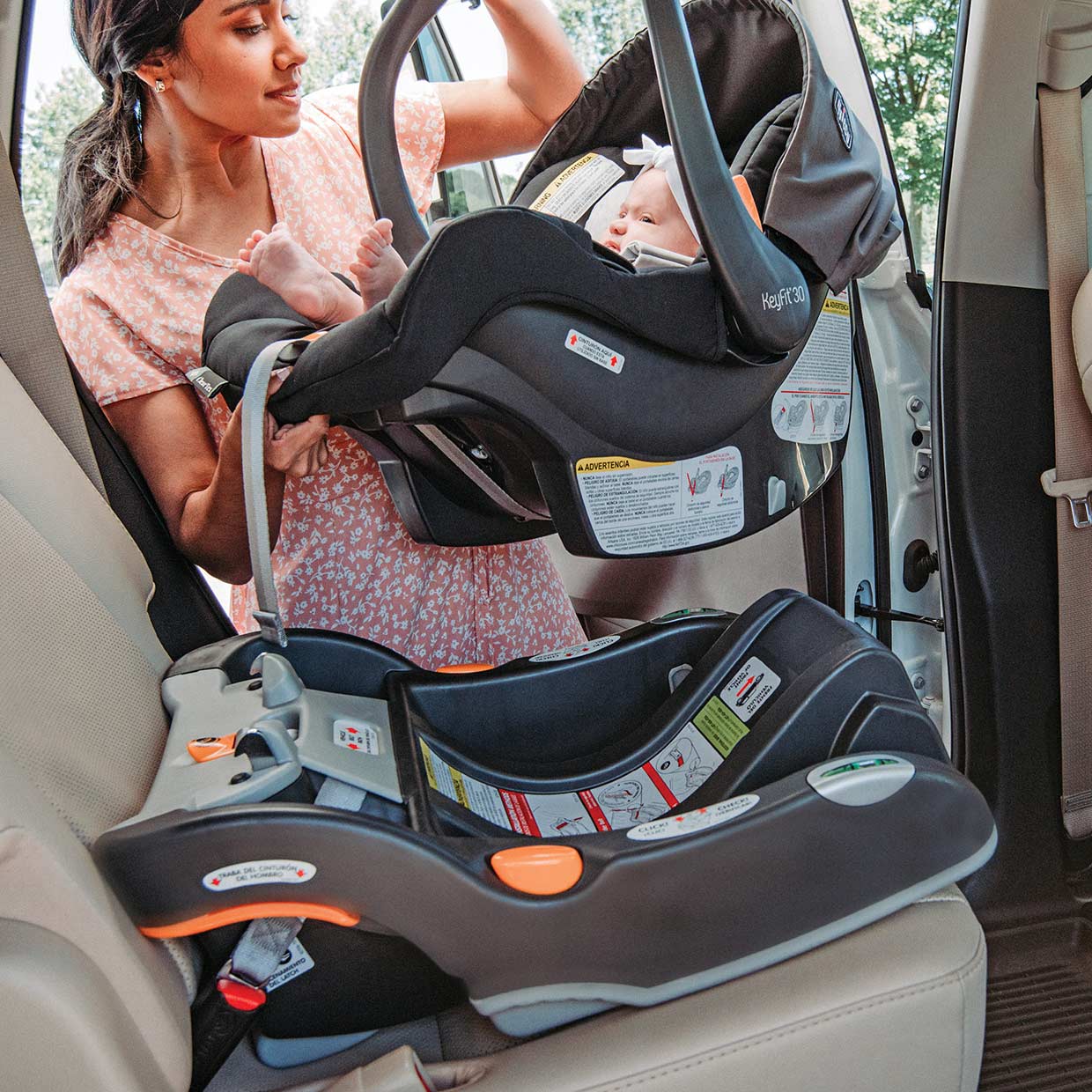
For some, it's a profound moment. You carefully unbuckle the last strap, the once bustling seat now quiet and empty. It signifies the fleeting nature of babyhood, and the incredible growth of your child.
It’s also a prompt to reminisce about all the tiny adventures. The first time they giggled at a car window, the way their fingers gripped the strap, their innocent trust in your care.
Then comes the moment of truth: what to do with the expired hero? You can't pass it on to a friend, as tempting as it might be, because its protective powers have officially waned.
Resist the urge to donate it; an expired seat could accidentally end up back in circulation, unknowingly putting another child at risk. The best, safest option is often to retire it completely.
Many parents take a moment to cut the straps and mark the plastic with a clear "EXPIRED" message. It’s a small ritual, a final act of ensuring its journey ends responsibly.
Some even get creative, transforming parts into a quirky planter or storage basket—a fun, new life for a beloved item. Its utility may be over, but its story doesn’t have to completely end.
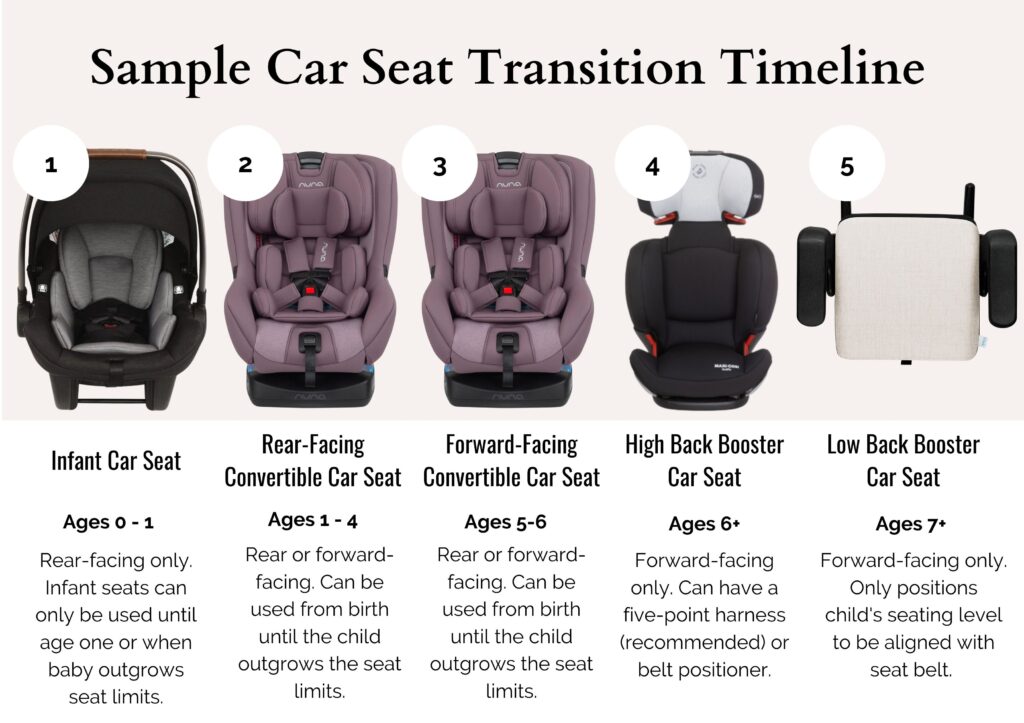
Eventually, the time comes to bid adieu to your tiny traveler's first chariot and upgrade to a convertible or forward-facing seat. This transition marks another exciting phase for both child and parent.
It’s not just about ticking a box or following a rule; it’s about ensuring every single journey your child takes is as safe as humanly possible. That peace of mind is truly priceless.
Imagine the confidence knowing you’ve given your little one the very best protection, from their first ride home to every adventure that follows. That’s the real gift of understanding car seat longevity.
So, next time you buckle up your precious cargo, take a moment to appreciate that steadfast seat. It’s a temporary hero, a guardian with a surprising lifespan, ready to protect your baby until it's time for its well-earned retirement.
It reminds us that some of the most essential things in life, like babyhood itself, are incredibly precious and incredibly fleeting. Cherish every single mile.