How Is Solar Power Used Today
Okay, let's be honest. For a long time, my entire understanding of solar power started and ended with those little garden lights. You know the ones. They glow faintly for an hour after sunset, then give up the ghost, leaving you to trip over your prize-winning petunias. I used to think, "That's solar? Cute, but hardly world-changing."
And then I saw my neighbor install panels on his roof, and suddenly, my quaint little garden lights seemed like the charmingly naive ancestors of a much more powerful, and dare I say, cooler, energy revolution. It turns out, solar power today is a far cry from just keeping your gnomes illuminated. It's everywhere, powering things you probably don't even realize.
Beyond the Garden Gnome: Everyday Solar
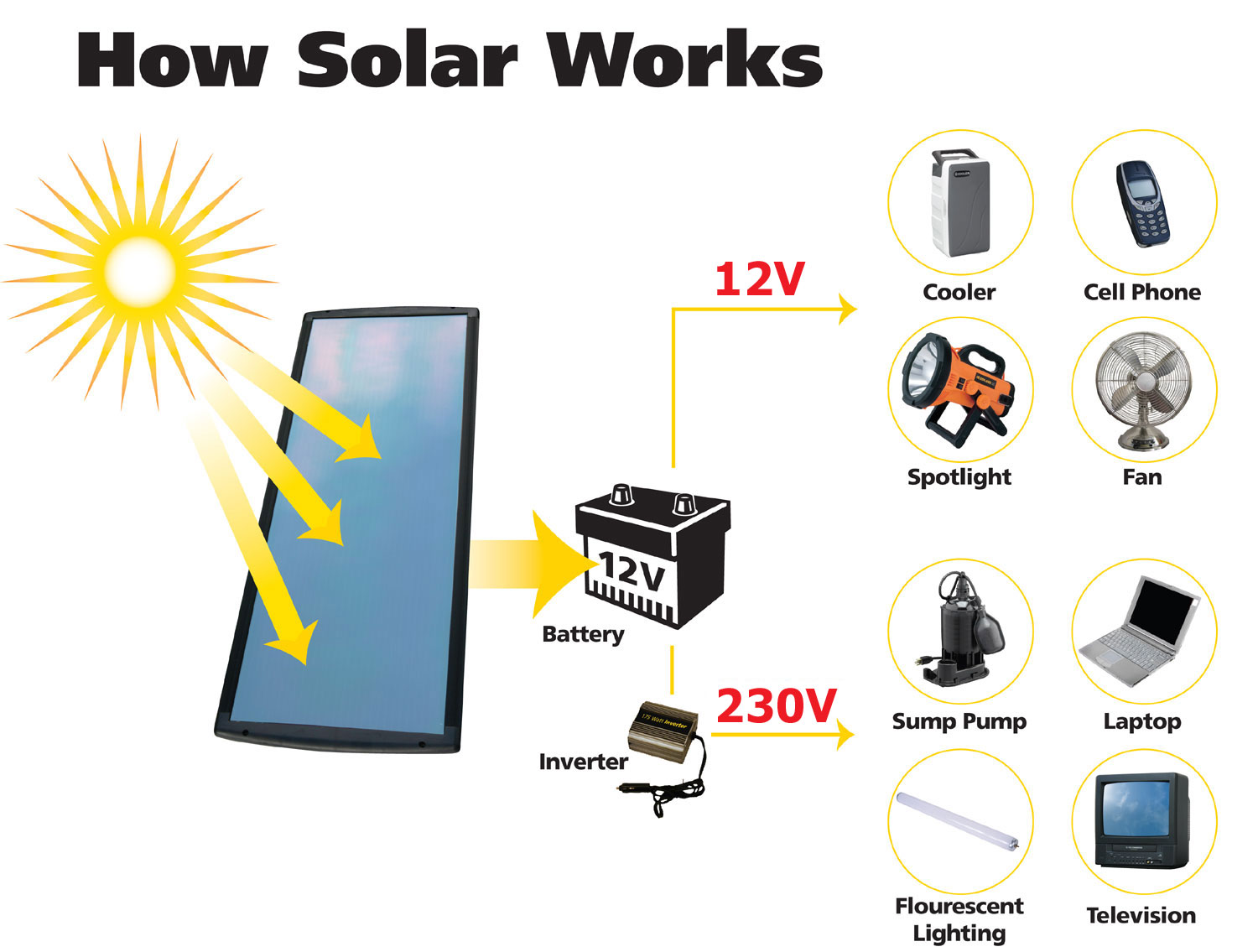
Think about it. You probably have solar power in your pocket right now. Remember those calculators that never needed batteries? Yep, solar. How about the emergency phone chargers you clip to your backpack when hiking? Solar. We're talking about small, discrete panels keeping your gadgets humming. Even some really fancy watches now feature tiny solar cells to keep them charged indefinitely. It's the ultimate set-it-and-forget-it power source for personal tech, which, let's be real, is pretty sweet.
Must Read
But it's not just tiny tech. Ever seen an RV or a boat cruising along with panels on top? Those folks are enjoying the freedom of off-grid living, keeping their lights on, fridges cold, and laptops charged without needing to plug into a campground or marina. It’s about independence, powered by the sun. Pretty liberating, right?
Powering Your Pad: Residential Solar
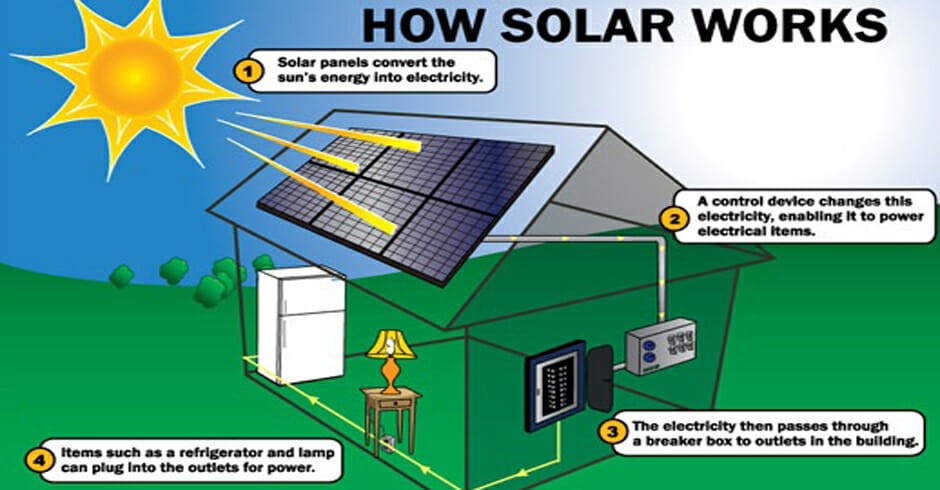
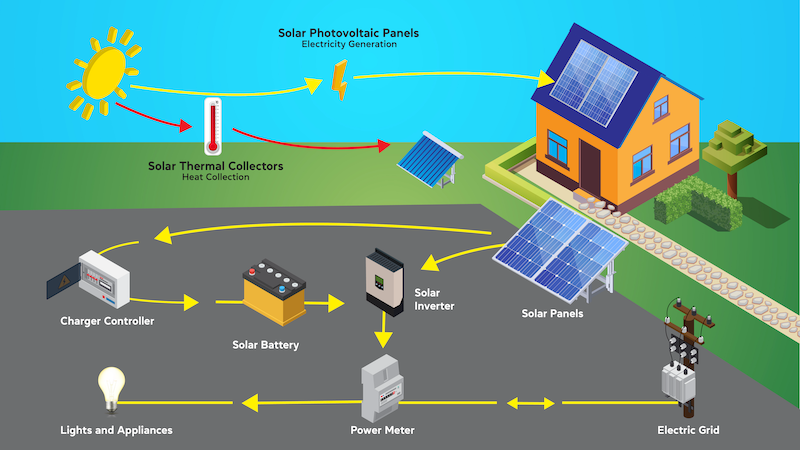
This is probably the most visible and fastest-growing segment. Those sleek black (or blue) panels you see popping up on rooftops everywhere? That's your average homeowner saying, "Hey, I want to generate my own electricity, thank you very much." They're not just saving money on their electricity bill (which, let's be honest, is a huge motivator!), but they're also contributing to a cleaner energy grid.
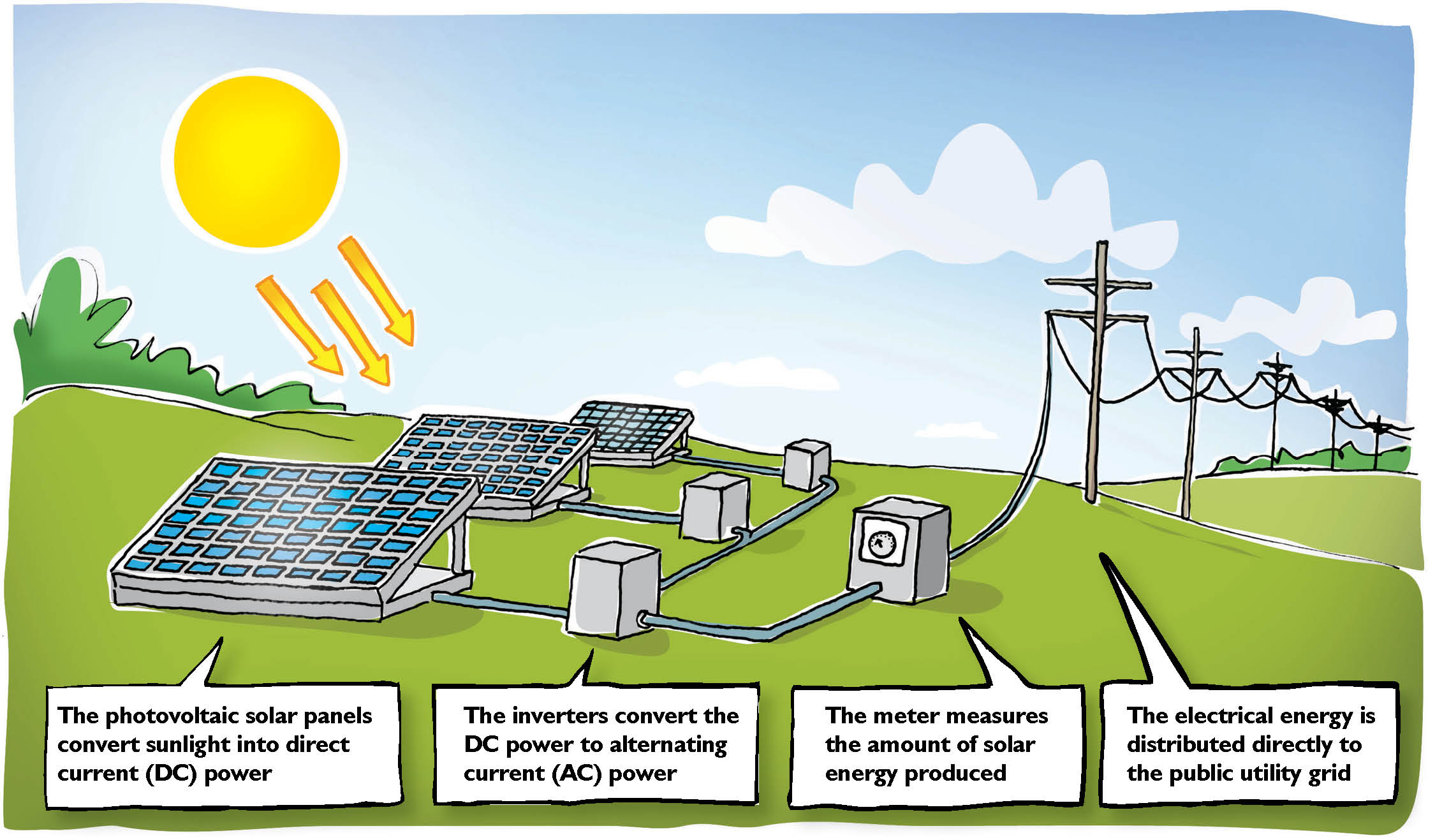
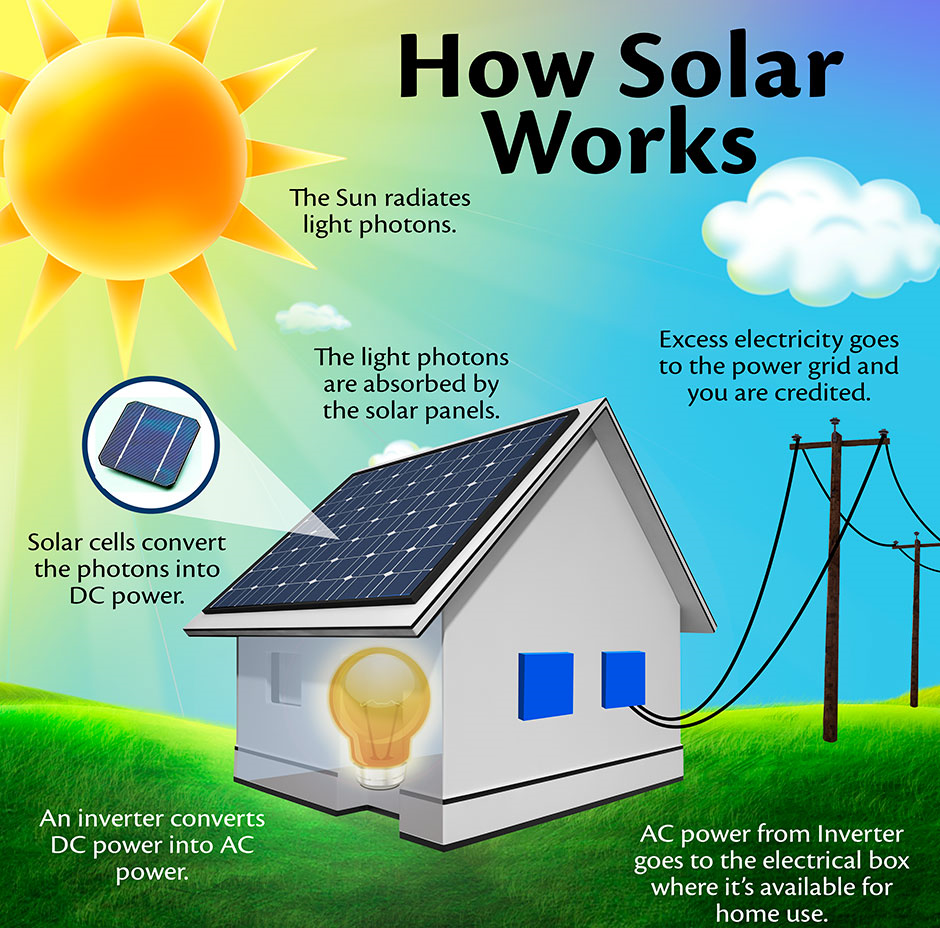
Many systems are "grid-tied," meaning any excess power your panels generate gets sent back to the main utility grid, and you often get credit for it. It's like your house is a mini power plant, selling its surplus. And when the sun goes down? You just pull power from the grid like normal. It’s a beautifully symbiotic relationship. Plus, with battery storage becoming more common, some homes can truly go off-grid for extended periods, making them resilient during power outages. Pretty clever, huh?
Big Business and Big Bright Ideas: Commercial Solar
It's not just residential roofs getting a sunbath. Walk around any industrial park or large retail center, and you'll often spot massive solar arrays on the roofs of warehouses, factories, and even shopping malls. For businesses, installing solar isn't just about being green; it's a smart economic move. Lower operating costs mean better profits, and in some cases, it can even boost their brand image. Nobody dislikes a company that's trying to be a bit more sustainable.
And think about parking lots! Those sturdy canopies that provide shade for your car? Increasingly, they're fitted with solar panels, generating power while also protecting your ride from the scorching sun. It’s a win-win-win situation, if you ask me.
Giants in the Sun: Utility-Scale Solar Farms
Now we're talking about the big guns. Forget a few panels; imagine hundreds of thousands of them spread across acres of land. These are solar farms, and they're massive power plants generating electricity for entire cities and regions. They're often located in sunny, wide-open spaces (think deserts or vast plains) where they can soak up maximum rays.
These large-scale projects are crucial for shifting entire grids away from fossil fuels. They might not be in your backyard, but they're working hard in the background, making sure your lights turn on, your phone charges, and your internet stays connected. It's seriously impressive how much power these solar behemoths can produce, proving that solar isn't just for niche applications; it's a mainstream energy player.
Off-Grid Adventures and High-Tech Heights
Beyond the common uses, solar power is the hero of many remote locations. Think about those emergency call boxes on desolate highways, remote weather stations, or even water pumps in rural areas – they often rely solely on solar. Satellites orbiting Earth? Powered by solar panels. Street lights in many cities now have their own integrated solar panels, making installation cheaper and more flexible. It’s a testament to solar's reliability when there’s no plug in sight.
The Cool Future (Already Here, Kinda)
And it doesn't stop there. Researchers are constantly pushing boundaries. We're seeing talk of transparent solar panels that could replace windows, solar roads that generate electricity while cars drive over them, and even solar fabrics that could power your clothes. While some of these are still in early stages, it really shows the incredible versatility and untapped potential of harnessing the sun's energy. It’s almost like something out of a sci-fi novel, but it’s becoming reality.
So, next time you see a solar garden light, give it a nod of respect. It might be simple, but it's part of a much bigger, brighter story. Solar power isn't just a quirky alternative anymore; it's an indispensable, multifaceted energy source that's quietly (and sometimes not so quietly!) powering our world today. And honestly, that's pretty darn amazing.