How Is Gas Made From Crude Oil
Okay, picture this: it’s a Saturday morning, you're rushing to get to that brunch spot everyone’s been raving about (because, let's be real, avocado toast is a necessity), and you glance at your gas gauge. Eek. Empty. You swing by the gas station, grumbling about the ever-increasing prices, and fill 'er up. But have you ever stopped to think, like, really think, about where that gas comes from? I mean, besides that giant pump thingy?
Well, buckle up, buttercup, because we're about to dive into the fascinating (and slightly smelly) world of how gas is made from crude oil. And trust me, it's a wild ride!
The Short Version: Ancient Goo Gets Cooked
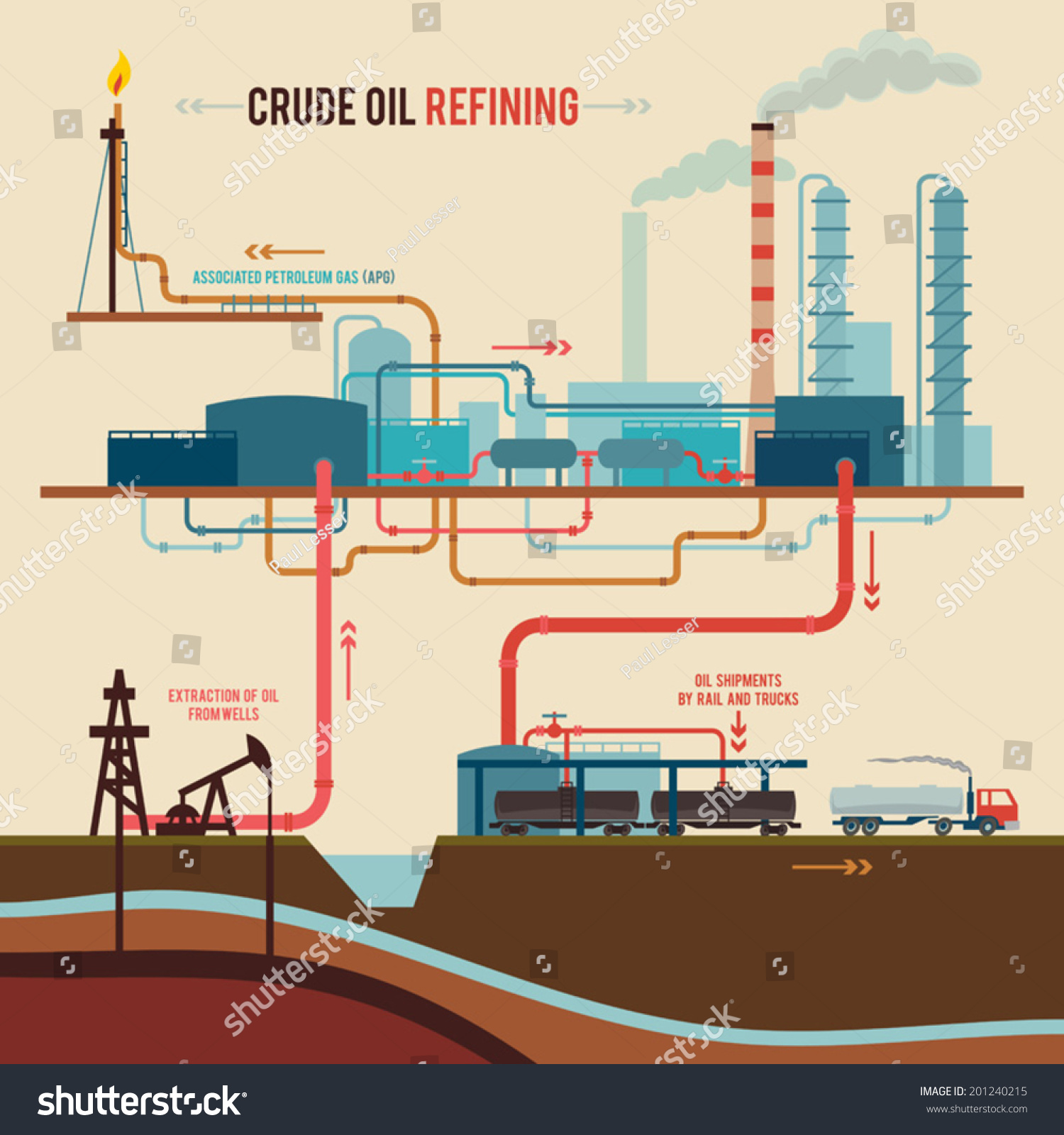
In a nutshell, gasoline comes from crude oil, which is a naturally occurring, unrefined petroleum product composed of hydrocarbon deposits and other organic materials. Basically, it's ancient goo, the remains of tiny plants and animals that lived millions of years ago. Talk about a throwback! This goo gets buried under layers of sediment, and over millions of years, heat and pressure transform it into this thick, black liquid we call crude oil.
Must Read
But here's the thing: crude oil isn't just gasoline. It's a complex mixture of different hydrocarbons, each with different boiling points. And that's where the magic happens.
The Star of the Show: Fractional Distillation
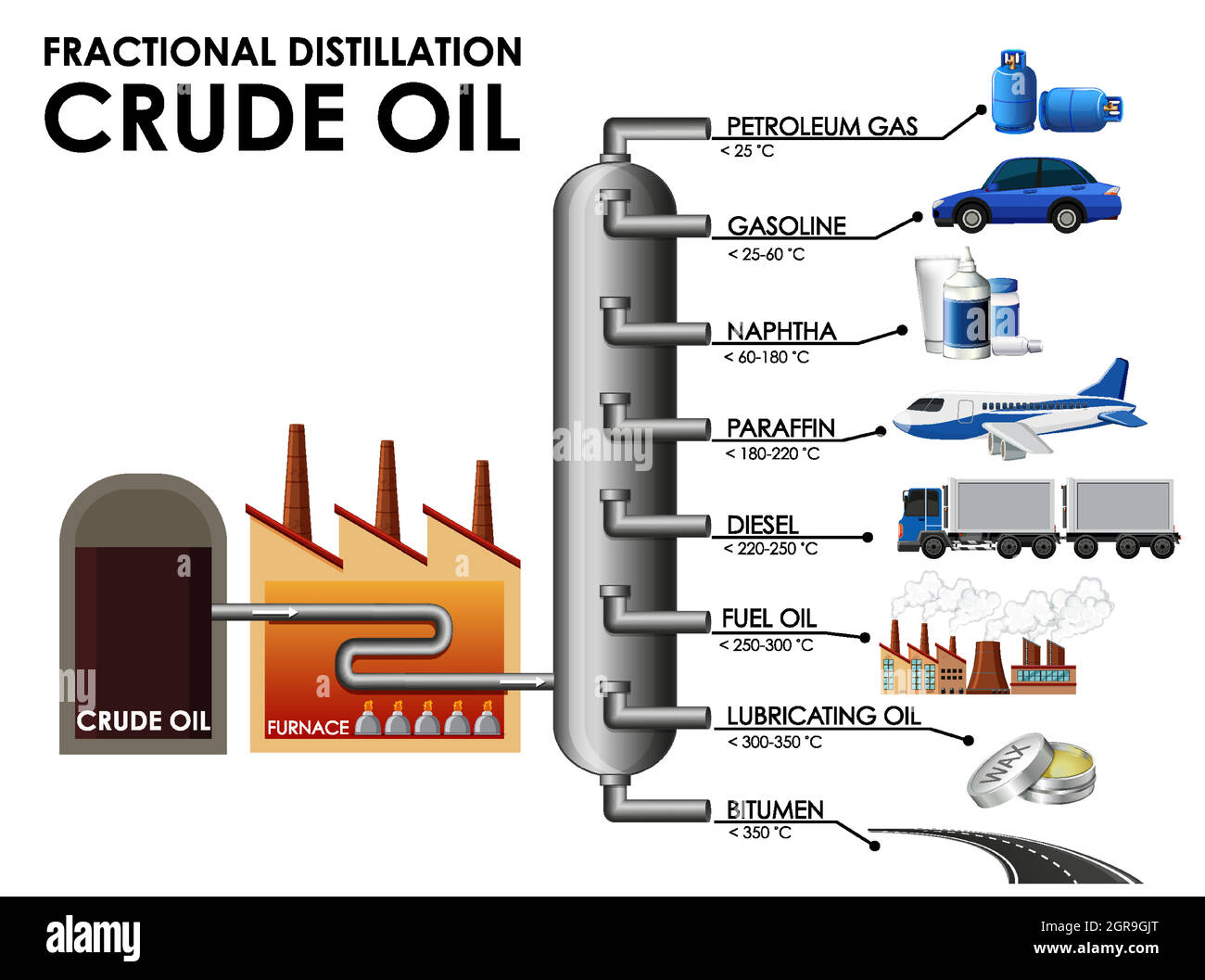
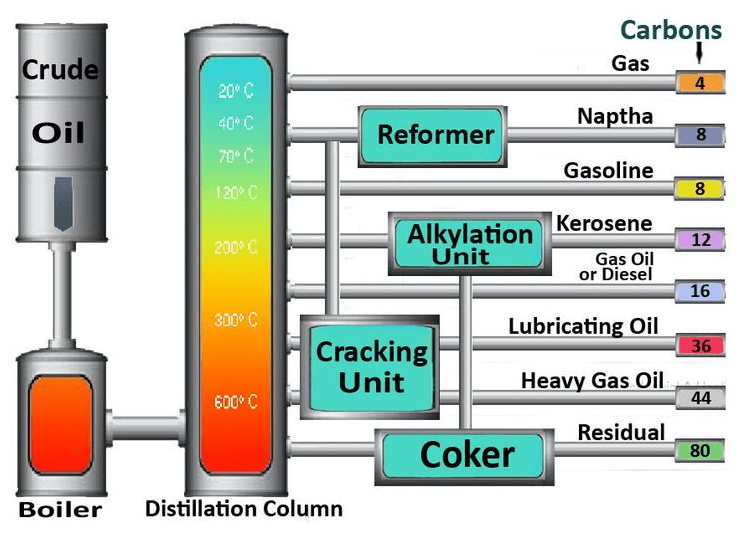
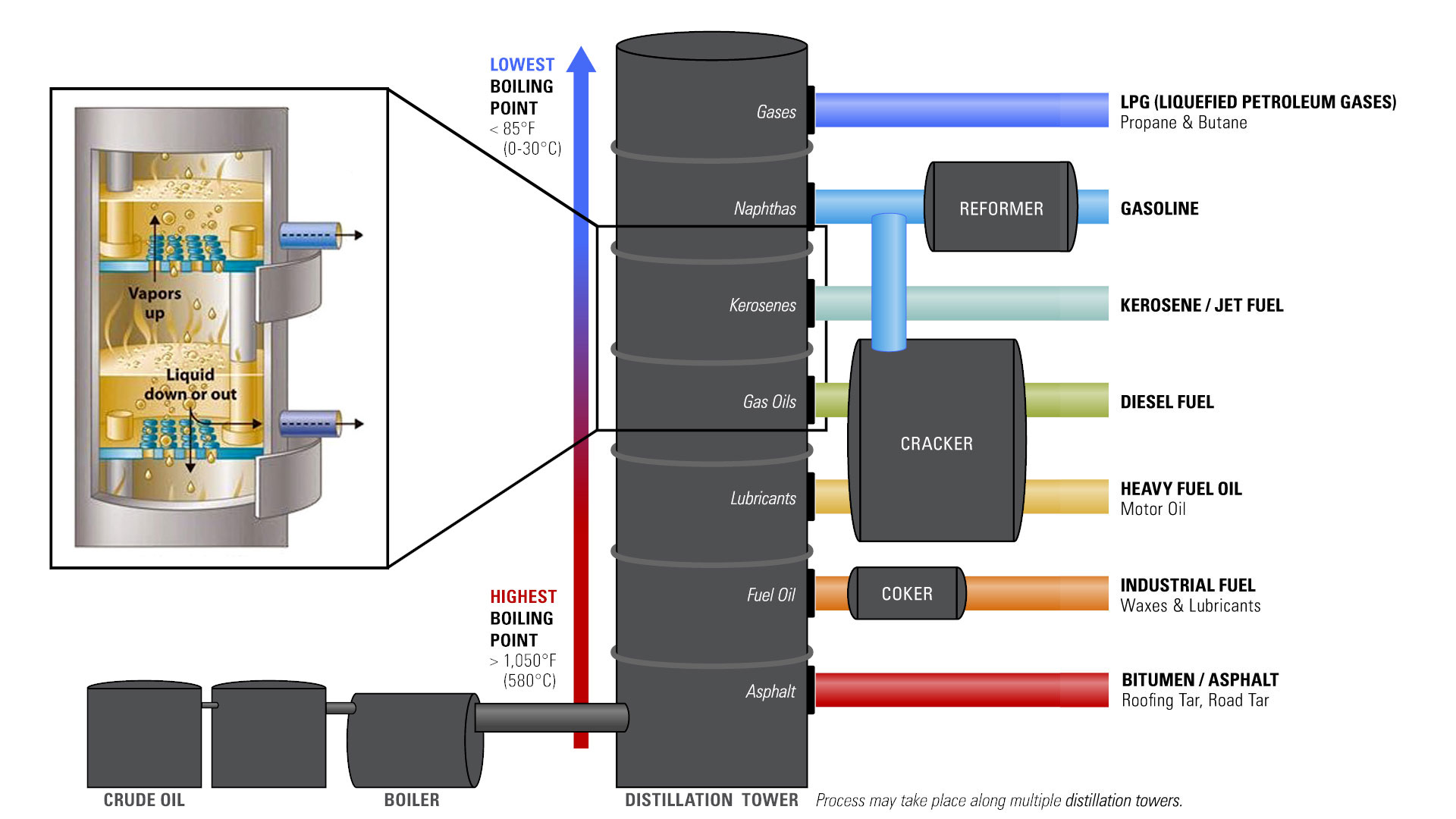
The process of turning crude oil into gasoline (and other useful stuff) is called fractional distillation. Imagine a giant tower, like a super tall chimney. This tower is heated from the bottom up, with the bottom being much hotter than the top. Crude oil is pumped into this tower, and as it heats up, the different hydrocarbons begin to boil.

The hydrocarbons with the lowest boiling points (like butane and propane, which, fun fact, are used in your BBQ grill!) rise to the top of the tower, where they condense and are collected. Heavier hydrocarbons, with higher boiling points (like bitumen, used for asphalt), condense closer to the bottom. And somewhere in the middle, voilà, you get gasoline!
Think of it like separating different ingredients in a soup. The light and fluffy ingredients (like foam) float to the top, while the heavier, denser ingredients (like chunks of potato) sink to the bottom. Except instead of potatoes, we're talking about hydrocarbons. And instead of a soup pot, we're talking about a massive industrial tower.
Gasoline Isn't Alone
Fractional distillation doesn't just produce gasoline. It also produces a whole bunch of other useful products, including:
- Diesel fuel: For those big trucks and heavy machinery.
- Kerosene: Used in jet fuel and some heaters.
- Fuel oil: Used in power plants and ships.
- Lubricating oil: To keep your engine running smoothly.
- Bitumen: For paving roads.
Pretty neat, right? Crude oil is a real multi-tasker!
The Refinement Process: Making Gas "Better"
But wait, there's more! The gasoline that comes straight out of the fractional distillation tower isn't exactly top-shelf stuff. It needs to be refined further to improve its performance and meet environmental standards. This involves processes like cracking (breaking down larger hydrocarbons into smaller ones to increase the amount of gasoline produced) and reforming (rearranging the molecular structure of hydrocarbons to improve their octane rating). All of this is to avoid engine knocking and make the fuel more efficient.
So basically, the gas you pump into your car has been through a lot. It's not just ancient goo; it's ancient goo that's been cooked, separated, and then tweaked and refined to be just right. It's practically an artisanal product! (Okay, maybe not, but you get the idea.)
The Bottom Line
So, next time you're filling up your tank, take a moment to appreciate the incredible journey that gasoline has taken to get there. From the depths of the earth to the top of a distillation tower and finally into your car, it's a truly remarkable process. And remember: use that fuel wisely! Save the planet. Go electric!
Or at least carpool. 😉