How High Should I Mount A Carbon Monoxide Detector
Ever found yourself staring at a new gadget, wondering if you're putting it in the "right" place? It’s a common, delightfully human dilemma! From Wi-Fi routers to pet beds, we all want to optimize. And when it comes to something as vital as a carbon monoxide detector, getting the placement right isn't just about aesthetics; it's about peace of mind and protection. While it might not sound like the wildest party topic, figuring out "How high should I mount my CO detector?" is actually a surprisingly popular and incredibly useful quest for home safety champions like you!
Carbon monoxide, often dubbed the "silent killer," is an invisible, odorless, and tasteless gas produced by the incomplete burning of various fuels. Think furnaces, gas stoves, fireplaces, and even car exhaust. It’s insidious because you can't see or smell it, but it replaces oxygen in your blood, leading to potentially fatal consequences. That's where our trusty CO detector comes in! Its job is simple yet monumental: to be your home's vigilant nose, sniffing out this dangerous gas before it can harm your loved ones. The benefit? An early warning that can save lives, giving you crucial time to ventilate your home and get to safety.
Now for the million-dollar question: how high should this life-saving device be? You might have heard tales of carbon monoxide sinking or rising, leading to a lot of confusion. Let's clear the air! Unlike smoke, which definitely rises, carbon monoxide is actually slightly lighter than air, but it doesn't strictly "layer" itself in a room. Instead, it mixes pretty readily with the air you breathe. This means it doesn't just hang out on the floor or hug the ceiling; it disperses throughout the space.
Must Read
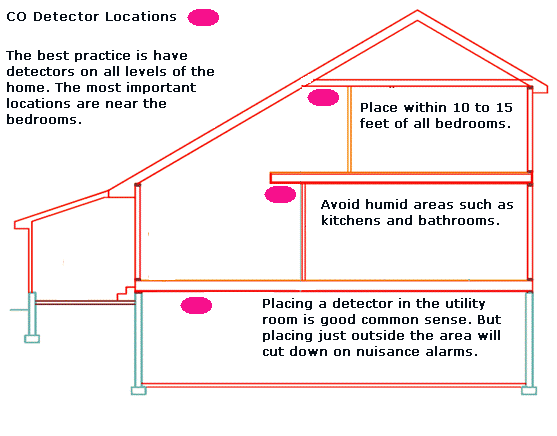
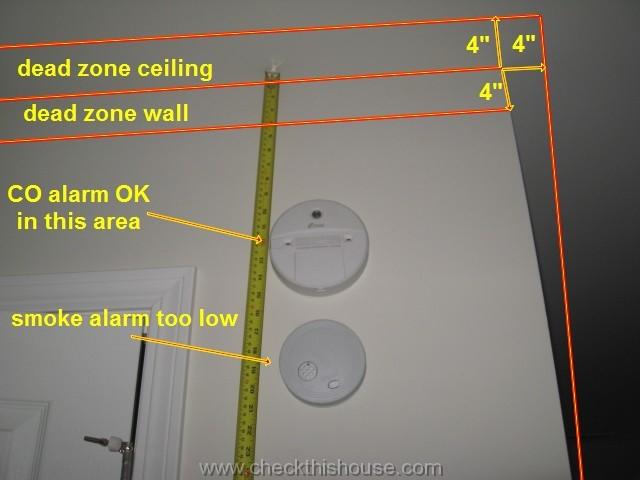
So, what's the sweet spot? For most residential CO detectors, the generally accepted guidance is to mount them on a wall about five feet from the floor, which is roughly eye-level. Some manufacturers even suggest ceiling mounting. The key is to check the specific instructions provided by your detector's manufacturer – they know their product best! Avoid placing them directly above or beside fuel-burning appliances, or in "dead air" spaces like vaulted ceilings or corners where air circulation is poor. Also, keep them away from windows or vents where drafts could interfere with readings.
In essence, don't overthink it, but don't ignore it! Your CO detector needs to be in a place where it can effectively sample the air your family breathes. Placing them near bedrooms and living areas is paramount, ensuring you'll hear the alarm even if you're asleep. By understanding how CO behaves and following those vital manufacturer guidelines, you're not just mounting a device; you're setting up an indispensable guardian for your home. Now, isn't that a fun and empowering piece of knowledge to have?