
How Does Water Enter And Exit A Cell
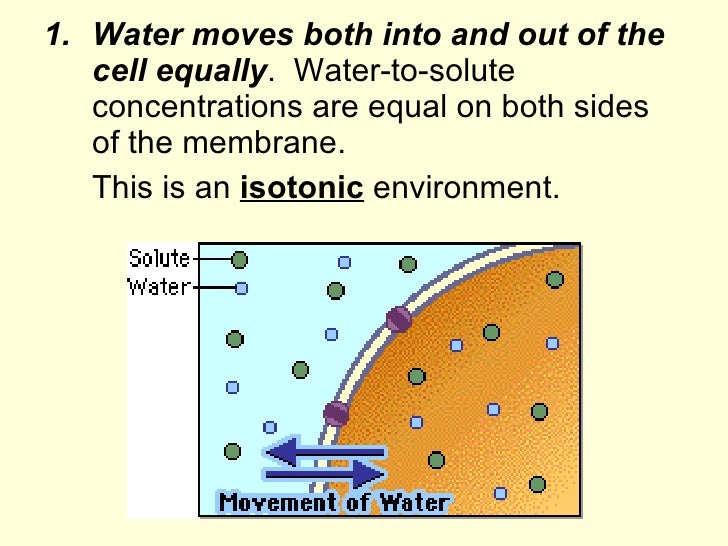
Alright, gather 'round, folks, because I've got an "unpopular opinion" to share about something incredibly vital, yet surprisingly overlooked: how water, that glorious, life-giving liquid, actually gets into and out of your cells. And trust me, it's not nearly as complicated or stuffy as your high school biology teacher might have made it seem. In fact, I'm pretty sure our cells are just being a little bit dramatic about the whole thing.
Let's talk about the main event: your cells. Think of each one as a tiny, bustling apartment building, complete with walls, tenants, and, crucially, a need for plumbing. And what's the most important thing for any good apartment? Water, of course! But how does this essential water manage to waltz in and out without causing a complete flood or drought?
Here’s the thing: cells aren't just open houses. Oh no, they have a very strict door policy. That "door policy" is actually called the cell membrane. Imagine it as a super exclusive velvet rope at the fanciest club in town. It's picky. It's particular. It absolutely does not let just any old molecule wander in. Your cell has standards, darling.
Must Read
The VIP Entrance for Water: Aquaporins!
Now, while the cell membrane is generally a tough bouncer, it does have a soft spot for certain guests, especially our good friend water. But even then, water doesn't just barge through the main door. Oh no. It has its own special, designated entrance. These aren't just holes in the wall; they're fancy, specific little tunnels called aquaporins.
I like to think of aquaporins as the secret VIP entrances. Water molecules, being rather small and polite (mostly), line up and shimmy through these tiny tunnels. They don't have to push past the bouncer, they don't have to show an ID, they just glide right through their dedicated express lane. It's almost like the cell is saying, "Yes, water, you are that important. We've built you your own personal highway."
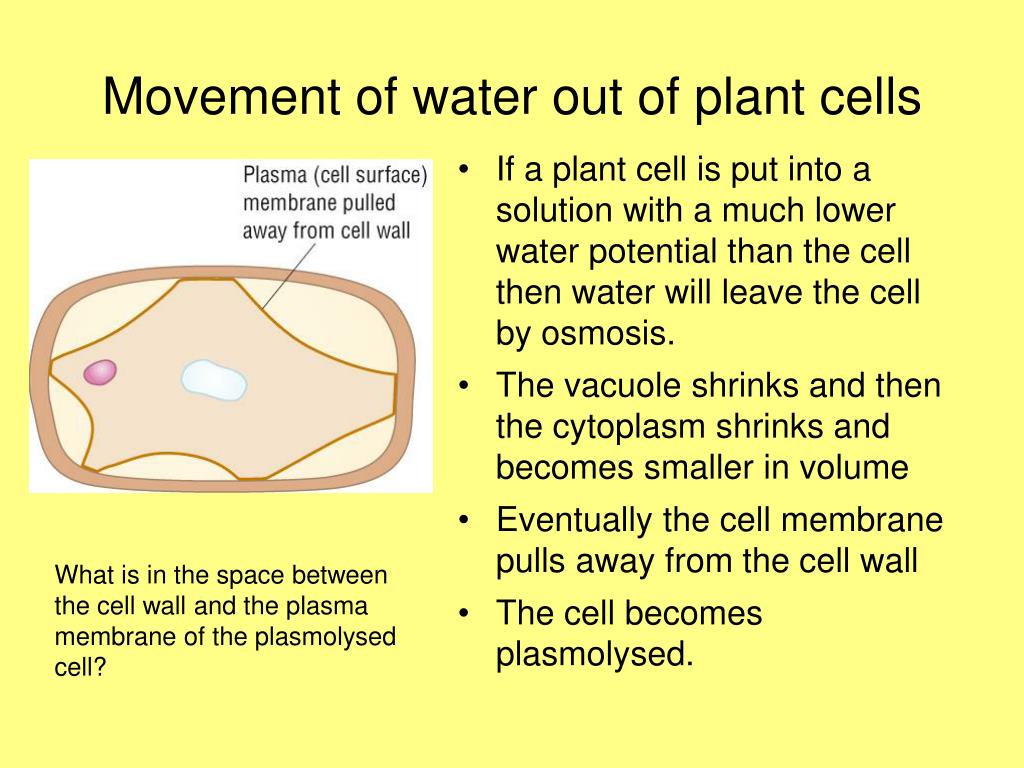
My "unpopular opinion" is that aquaporins are just cells showing off how much they love water. They’re basically saying, "You're not just welcome, you have a special entrance!"
So, water gets in through these aquaporins. Easy peasy, right? But what dictates how much water comes in, or when it decides to pack its bags and leave? This is where another fancy word comes in, but don't fret, it's simpler than it sounds: osmosis.
Osmosis: The Great Balancing Act (or Peer Pressure, Really)
Osmosis is essentially the cell's way of trying to achieve balance. It's like a tiny, microscopic version of peer pressure. Imagine you have a room with lots of people (let's say salt molecules) on one side, and very few on the other. Water, being the ultimate socialite, wants to go where the party's happening, or rather, where it can dilute the crowd and make everyone feel more comfortable. It moves from an area where there's lots of water (and fewer solutes) to an area where there's less water (and more solutes).
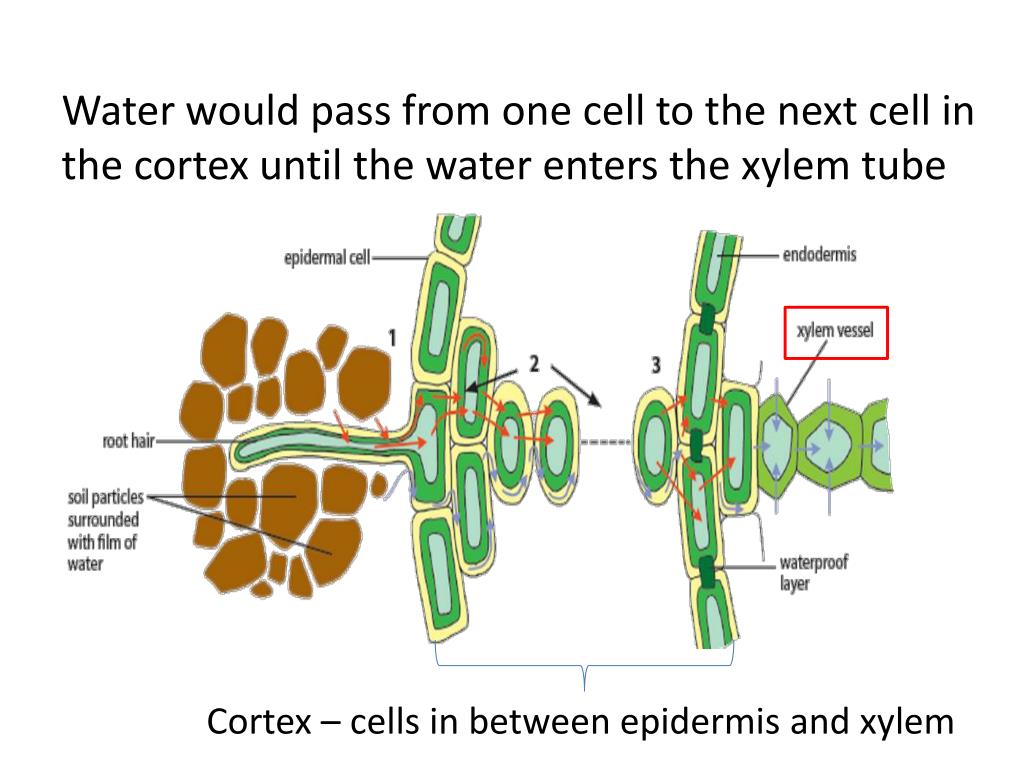
Think about a raisin. Why does it shrivel? Because the water inside it, wanting to achieve balance, decides there’s too much salt and sugar inside the raisin compared to the outside air, so it politely (or not so politely) exits. The raisin shrinks, looking utterly forlorn. But put that same raisin in a glass of water, and what happens? The water outside, seeing a high concentration of solutes within the raisin, rushes in to dilute the party. Voila! A plump, happy grape-wannabe.
This is why when you're super thirsty, your body sends signals. Your cells are essentially screaming for more water because the concentration of salts and other things inside them is getting too high. They’re pulling water from wherever they can get it, and if you don't drink, they start to shrivel a bit, like those sad raisins.
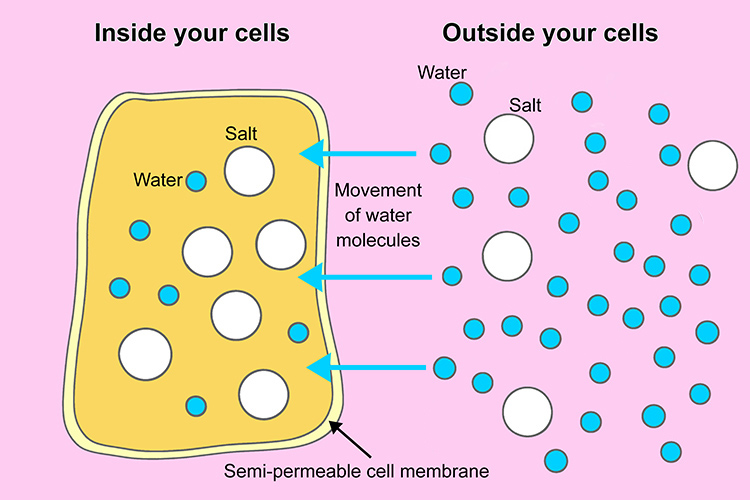
On the flip side, if a plant gets too much water, its cells can actually swell up. But typically, if there's not enough water outside, plants start to droop and look utterly miserable – what we call wilting. Their cells are losing water to the outside environment, trying to reach that elusive balance, and in doing so, they lose their rigidity.
So there you have it. Water doesn't just magically appear or vanish from your cells. It's a carefully orchestrated dance, a delicate game of hide-and-seek, all thanks to those special aquaporins and the ever-important desire for balance, known as osmosis. My "unpopular opinion" remains: cells are just being a bit particular, but bless their little hearts, they manage their water supply with admirable (and rather dramatic) precision.
Next time you take a sip of water, or see a plant looking a bit droopy, remember the tiny bouncers, the VIP lanes, and the relentless quest for social balance happening inside every single one of your microscopic apartment buildings. It’s a watery wonderland out there, and your cells are truly living their best, hydrated lives!
