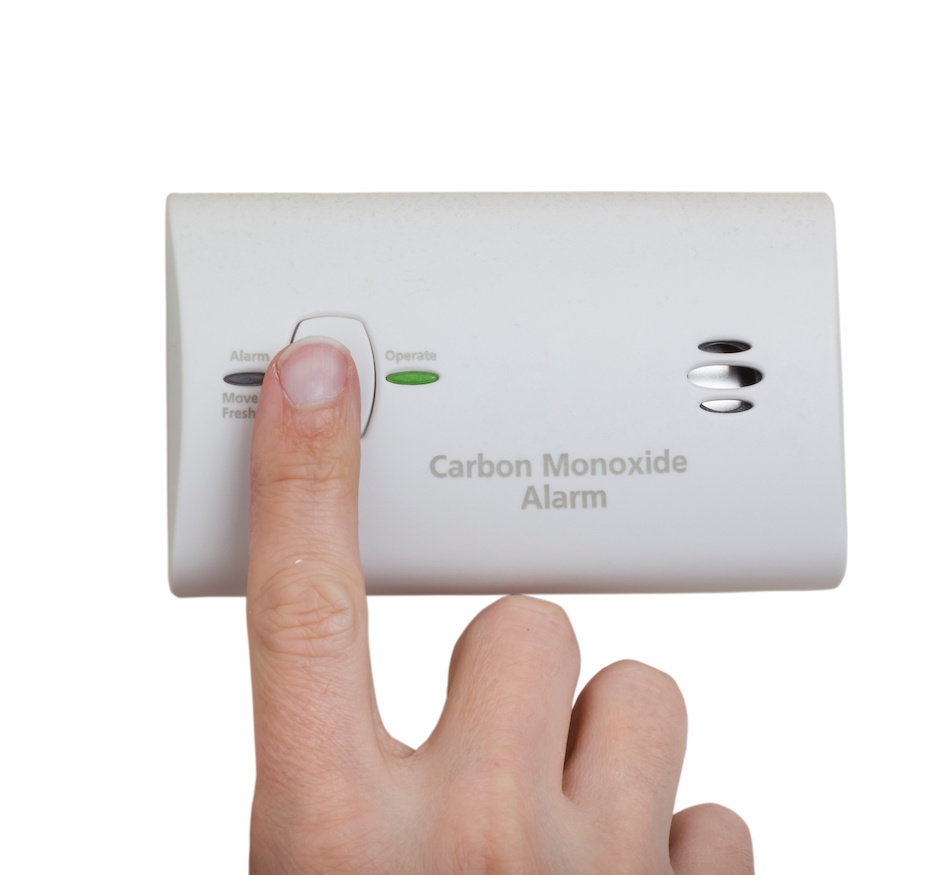
How Does The Carbon Monoxide Detector Work

Okay, imagine this: it’s a chilly winter evening, you’ve got the fireplace roaring, the furnace humming along, and you’re cozy on the couch, maybe binging your favorite show. Everything feels perfectly safe, right? Well, a friend of mine, let’s call her Maya, had a similar evening that took a bit of a terrifying turn. Her CO detector, which she’d almost forgotten was even there, suddenly shrieked like a banshee. No smell, no visible smoke, nothing. Just that piercing alarm. Turns out, her furnace had a tiny, almost undetectable crack in the heat exchanger, silently leaking a deadly gas into her home. She evacuated, got it fixed, and now she treats that detector like it’s solid gold. And honestly, she should! It literally saved her life.
That little story, my friends, isn't just a tale of winter woes; it’s a stark reminder of why those unassuming white boxes on your wall are absolute superheroes. We all know they go off when there’s a problem, but have you ever stopped to wonder, “How does the carbon monoxide detector work, anyway?” Because let's be real, it's not like CO has a giant red "DANGER" sign flashing above it.
The Invisible Enemy: Carbon Monoxide
First, a quick refresher on our villain: carbon monoxide, or CO. This stuff is truly insidious. It’s colorless, odorless, and tasteless. Think about that for a second. You literally cannot detect it with your own senses. It's produced when fuels (like natural gas, propane, wood, gasoline) don't burn completely – think faulty furnaces, gas stoves, fireplaces, car exhaust, even charcoal grills used indoors. When inhaled, it basically hijacks your red blood cells, preventing them from carrying oxygen, leading to devastating health issues or even death. Scary stuff, right?
Must Read
This is precisely where our diligent little detectors step in. They’re designed to sniff out this silent killer long before you ever feel its effects. But how do they do it without a nose?
Inside the Brains of a CO Detector
Most modern home CO detectors use what's called an electrochemical sensor. Now, don't let the fancy word scare you; it's pretty clever stuff. Think of it like a tiny, highly specialized chemical laboratory packed into that small box. Inside this sensor, there's a gel or solution that reacts to carbon monoxide. This reaction creates a tiny, measurable electric current.
.jpg)
Here’s the simplified magic trick:
When CO gas floats into the sensor, it comes into contact with specific electrodes immersed in an electrolyte solution. This interaction causes a very specific chemical reaction. This reaction, in turn, generates a small electrical signal. The more CO present, the stronger that electrical signal becomes. Pretty neat, huh?

This electrical signal is then sent to a tiny computer brain, a microprocessor, inside the detector. This microprocessor isn't just looking for CO to be present; it's constantly monitoring the concentration levels over time. Why? Because a small amount of CO for a short period might not be immediately dangerous, but even low levels over a longer duration can be extremely harmful.
The Alarm Bell: When Things Get Serious
So, the microprocessor is constantly running calculations, often using a "time-weighted average." If the CO concentration reaches a certain threshold for a specific period (e.g., 70 parts per million for 60 minutes, or 150 ppm for 10 minutes), that’s when your detector decides it’s time to raise hell. It doesn't just go off because it smelled some CO; it goes off because it calculated that the CO level is now a serious threat.
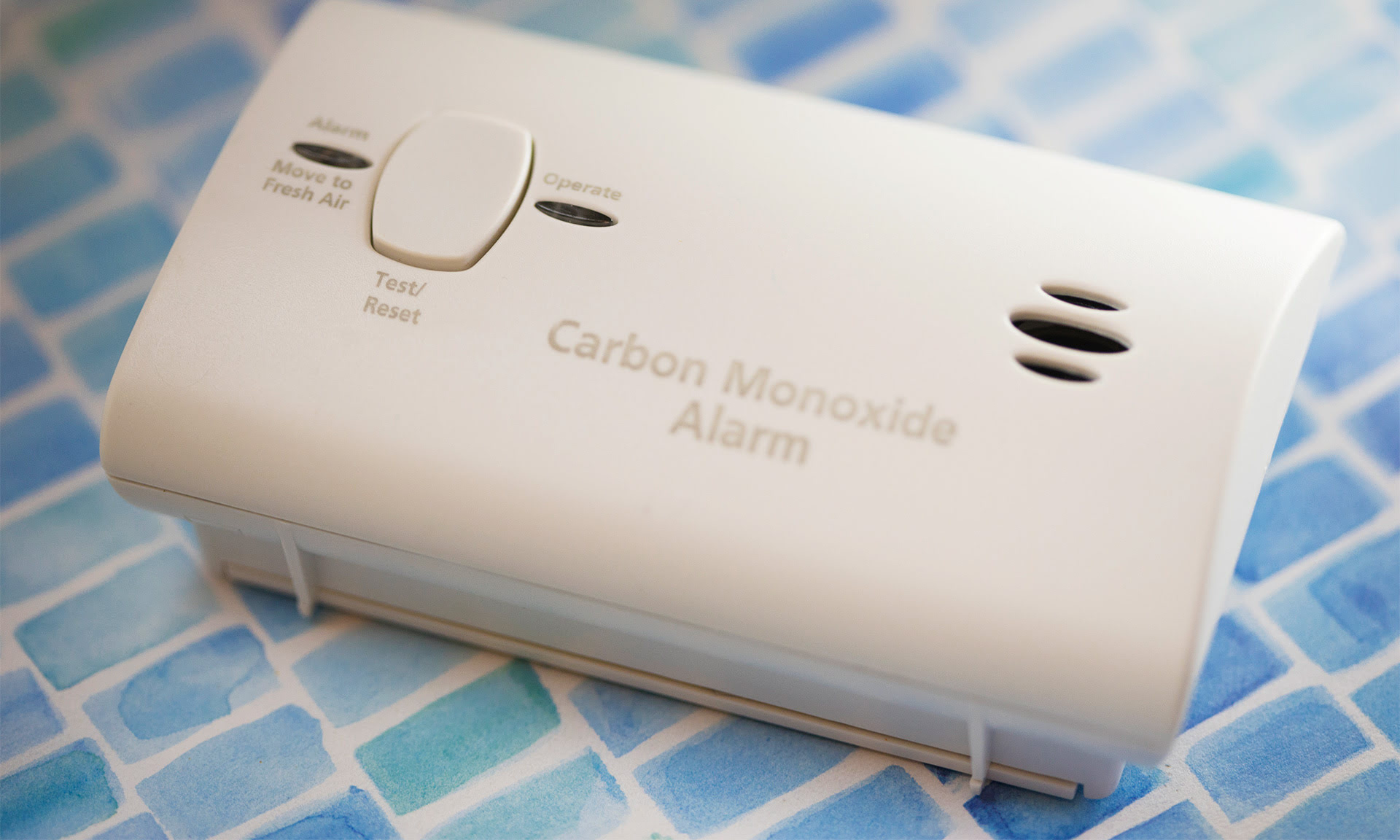
And that, my friends, is when you get that unmistakable, ear-splitting alarm sound – usually 85 decibels, which is loud enough to wake the dead (or at least wake you up from your cozy slumber). Some detectors also have a digital display showing the CO concentration in parts per million (ppm), which can be super helpful for understanding the severity of the situation.
More Than Just a Beeper: Your Lifeline
There are other types of sensors out there too, like metal oxide semiconductor (MOS) sensors, which change their electrical resistance when CO is present. But the electrochemical ones are generally preferred for residential use due to their accuracy, longevity, and stability.
Ultimately, your carbon monoxide detector is more than just a piece of electronics; it's a silent guardian, a vigilant protector against an invisible threat. It's working 24/7, constantly sniffing the air and crunching numbers, all to give you a fighting chance against one of the most dangerous gases out there. So, next time you walk past it, give it a little nod of appreciation. Better yet, make sure you test it regularly and know when it’s due for a replacement! It truly is an investment in peace of mind, and potentially, your life.