How Does Paralyze Work In Pokemon Tcg
Let's face it, the Pokemon Trading Card Game (TCG) is more than just a children's card game. It's a strategic battle of wits, resource management, and a healthy dose of luck, all wrapped up in the adorable (and sometimes terrifying) world of Pokemon. And within this world of powerful attacks and cunning strategies, there's one status condition that can be both frustrating and incredibly satisfying to inflict: Paralysis.
Why do people enjoy paralyzing their opponent's Pokemon? Well, for starters, it's incredibly disruptive. It's like throwing a wrench into their carefully crafted plans. Imagine you've spent turns building up your Charizard, ready to unleash a devastating attack, only to have it paralyzed and unable to move! The frustration is real, but the tactical advantage gained is immense.
Now, you might be thinking, "How does paralyzing digital monsters relate to everyday life?" The truth is, understanding the strategic advantage of paralysis in Pokemon can translate to real-world scenarios. Think of it as learning the art of disruption. In business, a well-timed product launch can "paralyze" the competition. In negotiations, a clever argument can "paralyze" the opposition, forcing them to reconsider their stance. It's about strategically hindering your opponent's progress to gain an edge. Okay, maybe not literally paralyzing anyone, but the underlying principle of disrupting their strategy holds true.
Must Read
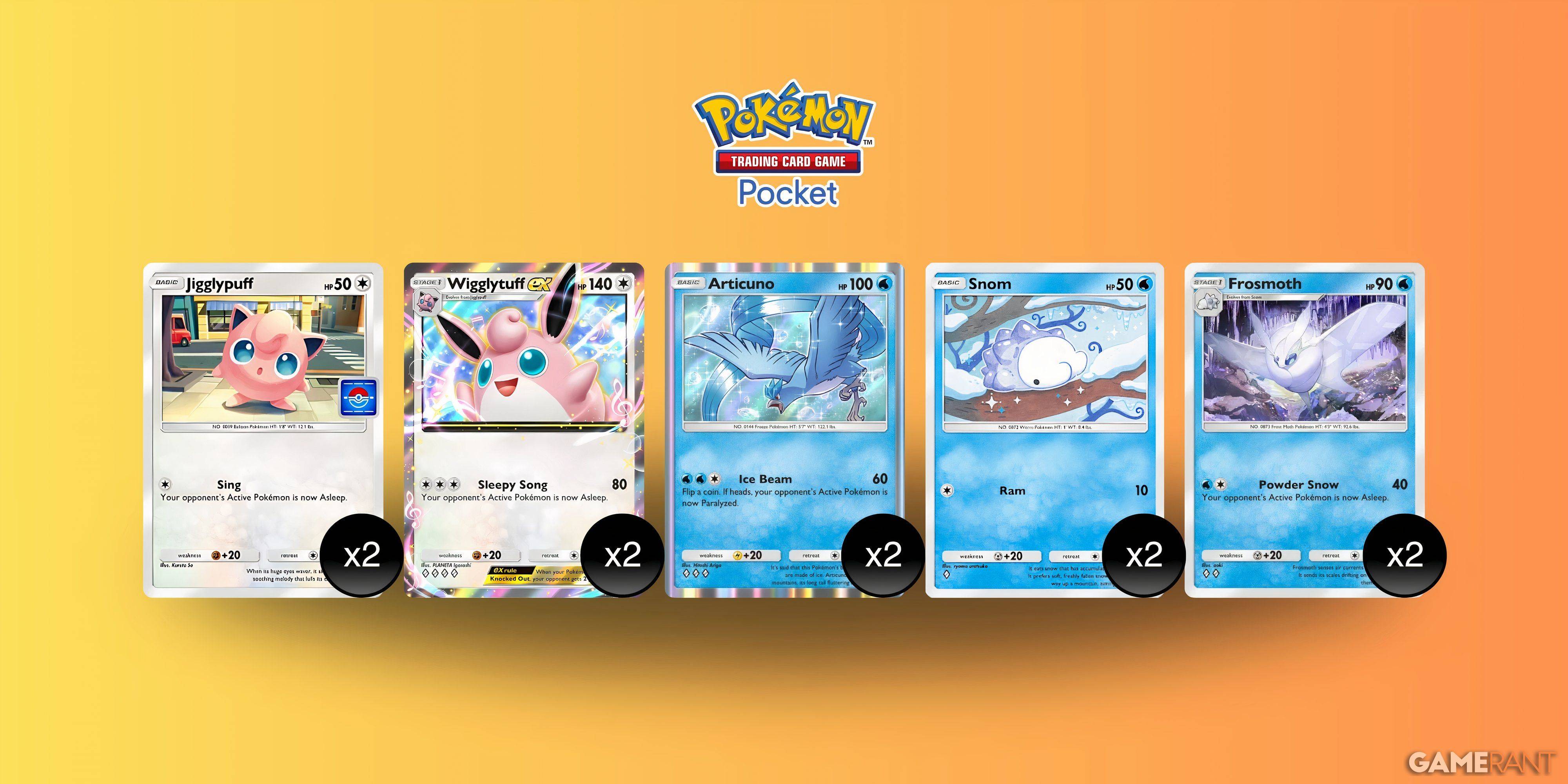
So, how does paralysis actually work in the Pokemon TCG? When a Pokemon is paralyzed, it has a 50% chance of being unable to attack during its turn. This is indicated by turning the card sideways. It's like flipping a coin – heads, your Pokemon attacks; tails, it's stuck in place, unable to do anything. This can be a game-changer, especially against powerful, high-energy attackers. Common examples of cards that inflict paralysis include Jolteon's "Pin Missile," which has a chance to paralyze, and various Trainer cards that can inflict the status condition directly. Pikachu is also a frequent offender, often using moves that have a chance to paralyze.
Applying paralysis effectively requires careful planning. Don't just throw it out randomly. Consider these practical tips:
- Target the right Pokemon: Focus on paralyzing your opponent's key attackers or those that require specific energy attachments to function.
- Combo with other effects: Paralysis is even more potent when combined with other status conditions like poison or burn, slowly chipping away at your opponent's health while they're unable to move.
- Use Trainer cards strategically: Many Trainer cards offer reliable ways to inflict paralysis, ensuring consistency in your strategy.
- Build a deck around it: Consider creating a deck specifically designed to inflict status conditions, including paralysis. This allows you to capitalize on the advantages it provides.
Ultimately, mastering the art of paralysis in the Pokemon TCG is about understanding its strategic value and implementing it effectively. It's about turning the tables on your opponent, disrupting their plans, and seizing victory. So, go forth and paralyze with purpose! Just remember, it's all in good fun (and a healthy dose of competitive spirit).