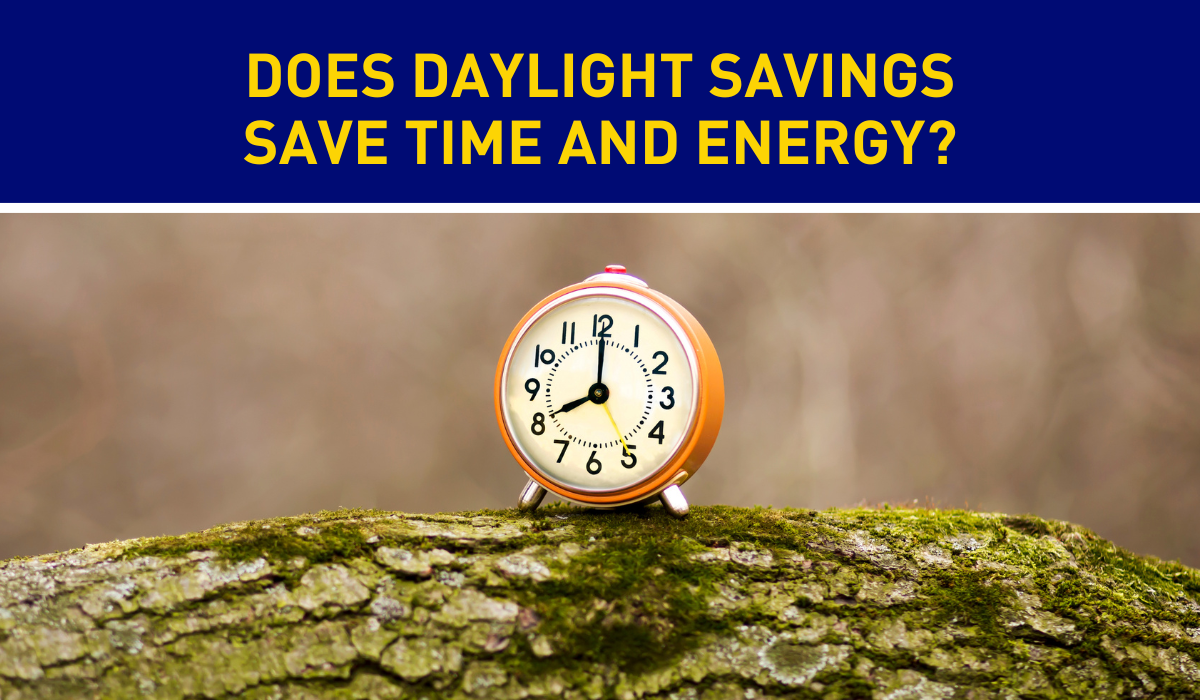
Unmasking the Energy-Saving Superpowers of Daylight Saving Time!
Alright, folks, gather 'round! It's that time of year again when we happily (or sometimes grumpily, let's be honest) "spring forward" an hour, and suddenly, the evenings are bathed in glorious, golden sunshine long after dinner. But have you ever stopped to wonder, beyond the joy of longer evenings, if there's a secret superpower at play? You bet there is! We're talking about Daylight Saving Time's incredible, often underestimated, knack for saving energy. It’s not just a cute quirk; it’s a genuine, electricity-bill-nuking, planet-helping phenomenon!
The Grand Illusion: Shifting Sunshine from Sleepy Mornings to Lively Evenings
Here’s the big secret, the fundamental magic trick: Daylight Saving Time doesn't actually create more daylight (as much as we wish it did!). What it does, with a simple flick of the clock, is brilliantly shift an hour of morning daylight – daylight that, let's face it, most of us are either still snoozing through or just starting to squint at our coffee – and strategically plonk it onto the end of the day. Think about it: that extra hour of daylight in the evening? That's an hour you might not be flipping on the light switch in your living room, or your kitchen, or even your office.
Imagine a world where the sun sets at 7 PM instead of 8 PM during the summer. Suddenly, your cozy evening routine would start an hour earlier, plunged into artificial light. No fun, right?
This simple shift means that for a huge chunk of the population, our most active hours – those glorious after-work, after-school, dinner-making, kid-chasing, dog-walking, patio-sitting hours – are naturally illuminated. Instead of flicking on a lamp, you're enjoying the natural glow. Instead of a dimly lit playground, kids are running wild under a bright sky. It's like the universe is saying, "Hey, here's some free light! Go enjoy it!"
The Mighty Impact: How Less Light Equals More Savings
So, where does the energy saving really kick in? It's all about reducing demand on our electricity grids, especially during those notoriously heavy evening hours. Picture this: without Daylight Saving Time, as soon as the clock strikes 7 PM in summer, millions of people simultaneously reach for their light switches. That’s a huge, sudden surge in electricity demand! Power plants have to ramp up, potentially burning more fossil fuels just to keep pace.
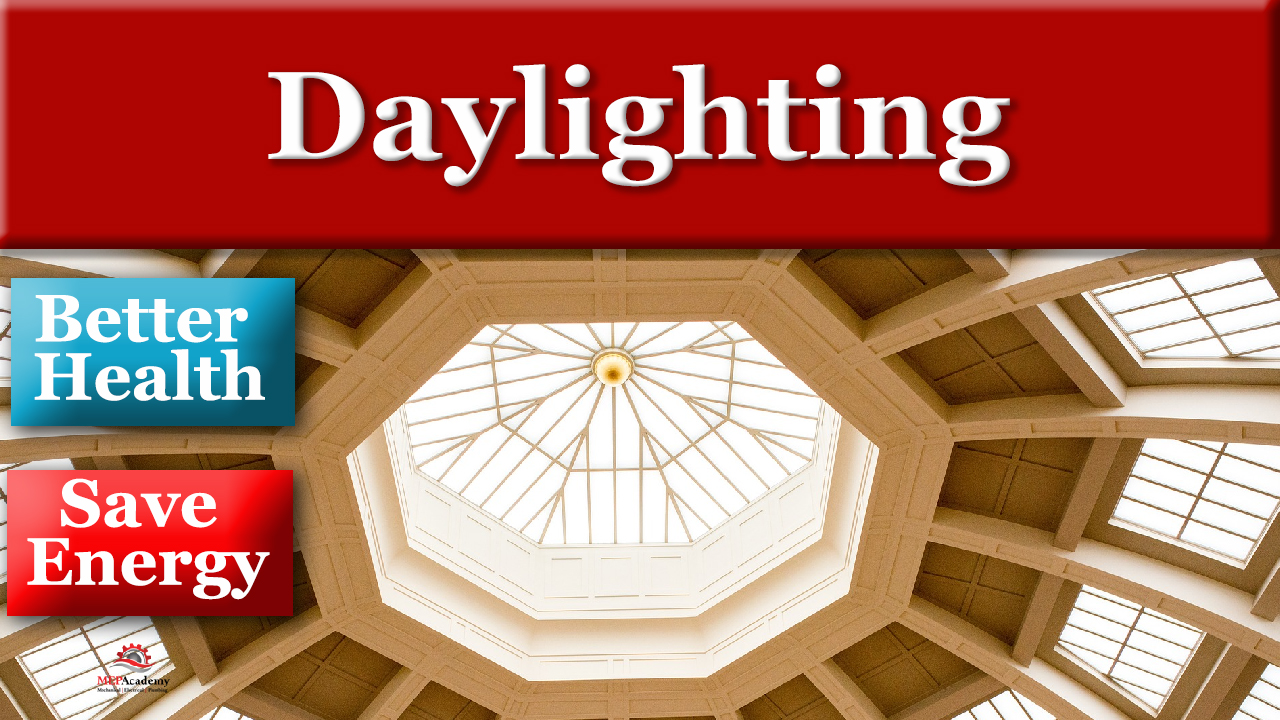
Daylighting for Health and Energy Savings - MEP Academy
But thanks to DST, that surge is delayed, softened, or even completely avoided for that crucial hour. Households keep their lights off. Businesses, if they’re open later, rely on natural light instead of their overheads. Streetlights might even come on a little later. It’s a collective sigh of relief for our electrical infrastructure!
Every time you sit on your porch or read by the window without turning on a lamp, you're a tiny energy hero. Multiply that by millions of homes across the country, and you've got some serious watts saved! Shops, restaurants, and offices that benefit from evening foot traffic can keep their indoor lights off for longer, saving on operational costs and contributing to the bigger energy picture. And the best part? By pushing peak demand later, power companies have more flexibility and don’t have to work quite as hard to meet instant energy needs. This can lead to less reliance on expensive "peaker plants" that kick in only during high demand.
Does Daylight Saving Time Actually Save Energy and Money | LEDwatcher
More Than Just Lights: The Ripple Effect of Longer Evenings
And it's not just about lighting! When evenings are brighter, people are naturally more inclined to be outside. Think about it: that extra hour of daylight encourages evening strolls, backyard barbecues, community sports, and general outdoor frolicking. What does being outside mean? Less time inside, where you might be running your air conditioner, watching TV, or using other energy-guzzling appliances. It's a subtle but significant ripple effect!
"An hour of daylight saved is an hour of electricity earned!" (Okay, maybe we made that up, but it feels true, right?)
INFOGRAPHIC: The Truth About Daylight Savings Energy Efficiency
While the exact amount of energy saved can vary and is a hot topic for debate among academics (some studies show it's a huge win, others are a bit more cautious), the core principle remains: extending natural daylight into our most active evening hours undeniably reduces the need for artificial illumination. And that, my friends, is a win for our wallets and a win for our wonderful planet!
So, Next Time You "Spring Forward"...
When you next adjust your clocks, don't just think about losing an hour of sleep (we've all been there!). Instead, feel a little spark of triumph! You're participating in a grand, collective energy-saving scheme. You're helping nudge the world towards a slightly greener, brighter, and more energy-efficient future, one glorious, sun-drenched evening at a time. So go forth, enjoy those extended sunsets, and give a little nod to the humble, yet mighty, Daylight Saving Time for its silent, powerful contribution to saving energy!