
How Does Carbon Monoxide Get Into House

Alright, grab a mug of something warm, because we're about to chat about something super important, but we'll keep it light, I promise! We’re diving into the mystery of how carbon monoxide (CO) can sneak into your house. It sounds a bit spooky, like a horror movie villain, right? But understanding it takes away a lot of the fear. Think of me as your friendly neighborhood CO whisperer.
What Even Is Carbon Monoxide?
Okay, first things first: what are we even talking about? Carbon monoxide, or CO for short (because who has time to say "carbon monoxide" every time?), is kind of like the ultimate ninja gas. It's invisible, odorless, and tasteless. You literally cannot see, smell, or taste this stuff. Seriously, it's a master of disguise! And that's precisely why it's so dangerous.
It's basically a byproduct of something burning. Anything that burns fuel—gas, oil, wood, charcoal, propane—can produce CO. Now, don't panic! Our homes are full of things that burn fuel safely every day. The key word here is safely. The trouble starts when things don't burn completely, or when the byproducts don't have anywhere safe to go.
Must Read
The Usual Suspects: Appliances That Burn Fuel
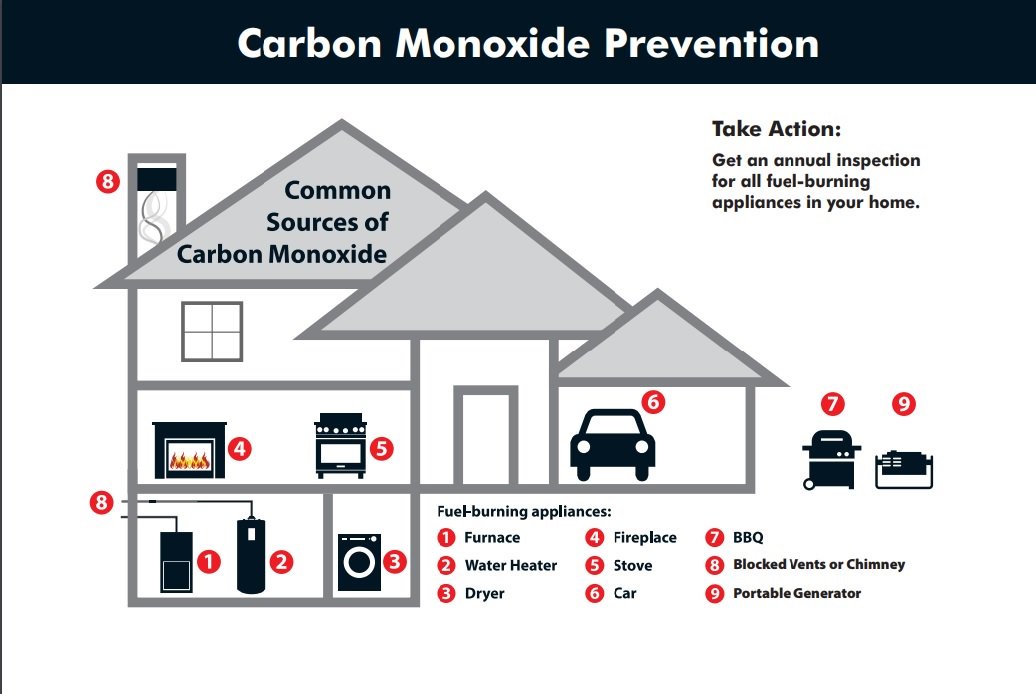
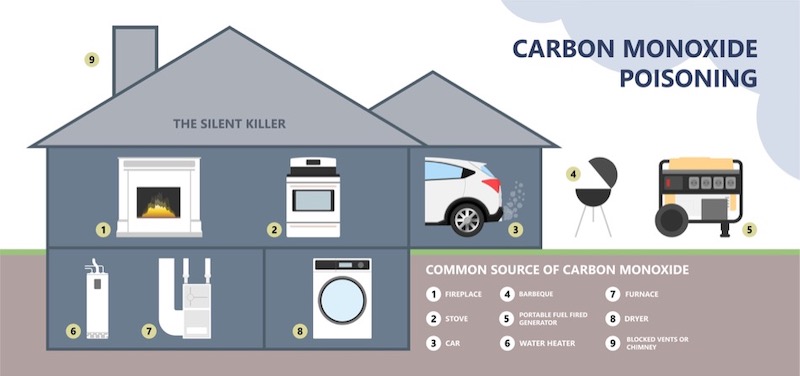
So, where does CO come from? Think about all the things in your house that use some kind of fuel to heat or power stuff. We’re talking about your furnace, that trusty old water heater, your gas stove (yes, even that!), the fireplace, your clothes dryer if it’s gas, and even portable heaters.
These are all fantastic, hardworking appliances that make our lives cozy and convenient. They're designed to produce CO, yes, but also to vent it safely outside. Most of the time, they do exactly what they're supposed to do. Like tiny, well-behaved exhaust pipes in your home.

When Things Go Sideways: Incomplete Combustion
The real issue isn't that these appliances produce CO, it's when they have a bad day and produce too much, or when that CO doesn't get to go outside. This usually happens because of incomplete combustion. Imagine a campfire that’s super smoky and struggling to get going – that's incomplete combustion in action. A nice, clean blue flame on your gas stove? That’s complete combustion. We want the latter!
So, if your furnace is old and grumbling, or your water heater is feeling a bit under the weather, it might not be burning its fuel as efficiently as it should. This means more CO is being produced than normal. And if that CO isn't properly vented, bingo, it can start seeping into your living space. Not ideal, right?
The Sneaky Ways It Gets Inside
Okay, so now we know what it is and where it comes from. But how does this invisible gas actually get from your furnace (or whatever) into your living room where you’re Netflix and chilling? This is where the detective work begins!
1. The Case of the Faulty Appliance
Picture this: your furnace is working hard, but maybe its heat exchanger (a critical part) has a tiny crack. Or perhaps the vent pipe from your water heater is rusty and has a little hole. These aren't huge, dramatic explosions, just little imperfections. But those imperfections are all CO needs to find an escape route into your home instead of out through the chimney or vent pipe. It's like a secret passage for bad gases.
2. The Clogged Chimney or Vent Pipe Mystery
Ever had a bird decide your chimney would make a fantastic high-rise apartment? Or maybe a squirrel thought it was the perfect place for a nut stash? Bless their little hearts, but blocked chimneys or vent pipes are a big no-no for CO safety. If the CO has nowhere to go but back into your house, guess what it’s going to do? That’s right, it takes the path of least resistance, which is usually right back at you. Get those chimneys swept, folks!

3. The Backdraft Brouhaha
This one's a bit science-y, but hear me out. Sometimes, due to super tight house construction or weird air pressure differences (like a powerful exhaust fan running), your chimney or vent can actually pull air down instead of pushing it up. This is called backdrafting. Instead of CO flowing out, it gets sucked right back into your home. It’s like your house is trying to inhale its own exhaust. Wild, huh?
4. The Outdoor-Equipment-Used-Indoors Fiasco
This is a big one and it’s often due to lack of awareness. Running a gasoline generator in your garage (even with the door open!) or using a charcoal grill indoors (even for a "quick warm-up") is a HUGE no-go. These things produce massive amounts of CO very quickly, and they are absolutely, unequivocally not designed for indoor use. Seriously, don't do it. Not even for a second. Your garage isn't a safe place for them, either, as CO can easily seep into your house.
5. The Car-in-the-Garage Blunder
Just like generators, idling your car in an attached garage, even for "just a minute," can be problematic. Car exhaust contains CO, and it can quickly build up and find its way through any little crack or gap into your home. Give that car some fresh air, outside!
So, What's the Takeaway?
It's not about being paranoid, it's about being prepared and informed! The bottom line is that CO gets into your house when fuel-burning appliances aren't working right, or when their exhaust system is blocked or faulty, allowing the gas to escape indoors instead of outside. Or, critically, when you use something indoors that should only be used outdoors.
The solution? Regular maintenance for your appliances, making sure your chimneys and vents are clear, and never, ever using outdoor-specific equipment inside. Oh, and one more thing: get a CO detector! Or several! They're like little guardian angels that will literally scream at you if CO decides to throw a party in your house. They're your invisible, odorless, tasteless gas detectors, making up for the fact that you, my friend, are not one.
Stay safe out there, and now you're officially a CO smarty-pants!