How Does An Electric Meter Work

Ever paused to wonder about that grey box attached to the side of your house, or maybe a digital display tucked away in a cupboard? We’re talking about the electric meter, of course! It’s one of those everyday mysteries that, once unveiled, actually makes understanding your home a little more satisfying. Learning how this silent workhorse operates isn't just for electricians; it's a peek into the fascinating world of energy and a surprisingly practical skill for anyone paying a power bill.
At its heart, an electric meter's purpose is elegantly simple: to measure how much electricity your home consumes. Think of it as your house's personal fuel gauge, constantly tracking the "gallons" of electricity you're using. These "gallons" are measured in kilowatt-hours (kWh), which essentially tell us how much power (kilowatts) you're using over a certain amount of time (hours). The benefits are huge. Firstly, it ensures fair billing – you only pay for what you actually use. Secondly, it empowers us. By understanding our consumption, we can become more energy-conscious, spot wasteful habits, and even contribute to a greener planet by conserving energy.
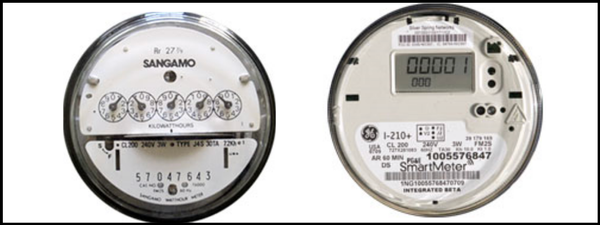
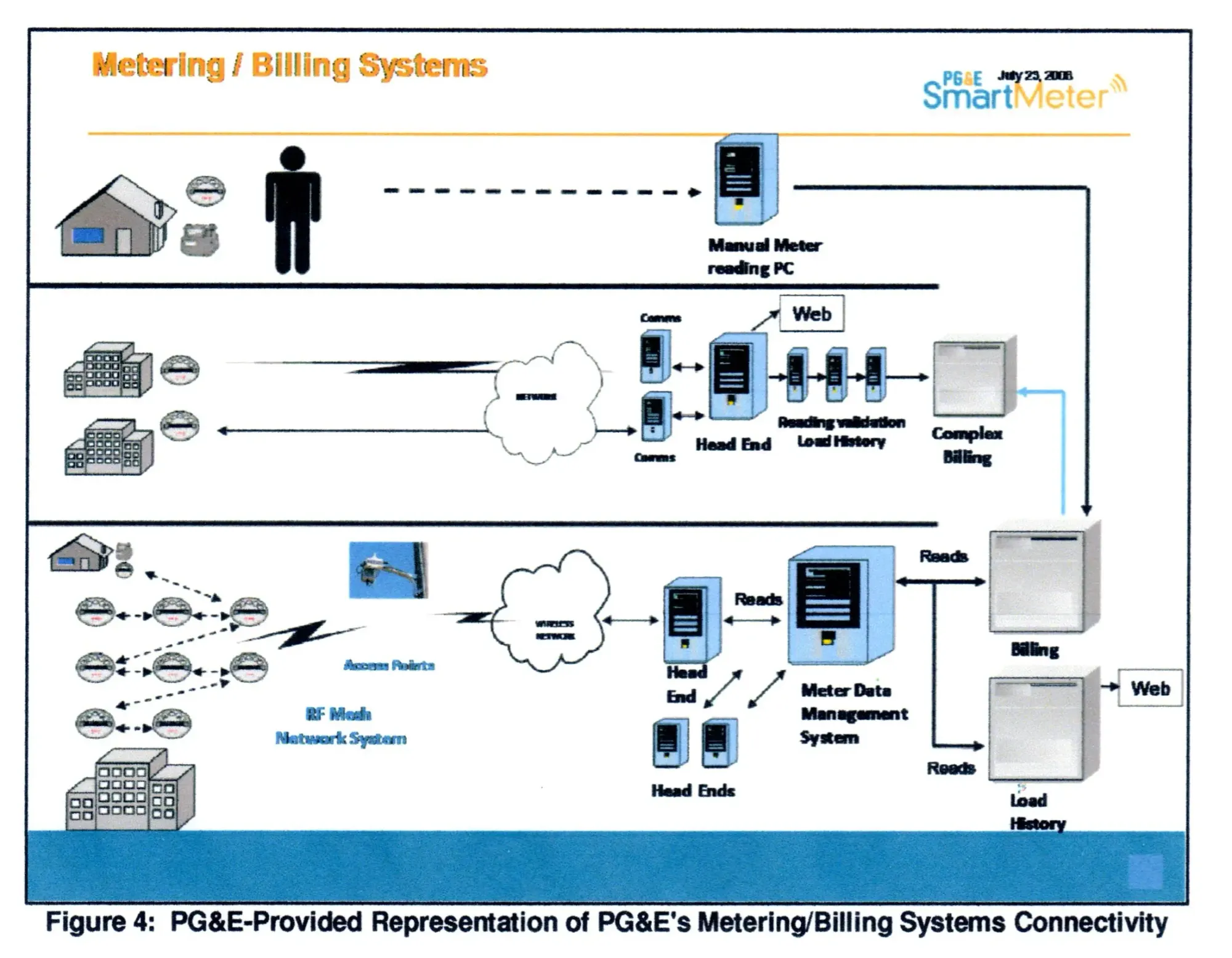
Historically, many of us grew up with the mesmerizing sight of the old mechanical meters, with their spinning metal disk. This disk, powered by electromagnets reacting to the current flowing through your home, would rotate faster as more power was used. It was a beautiful, analogue dance of physics! Modern meters, often called smart meters, do the same job but with a digital brain. They use sensors to measure voltage and current, calculate the kWh consumption, and then often send that data wirelessly to your utility company. This remote reading capability means fewer meter readers on the road and more frequent, accurate data, sometimes even offering you real-time insights into your usage.
Must Read
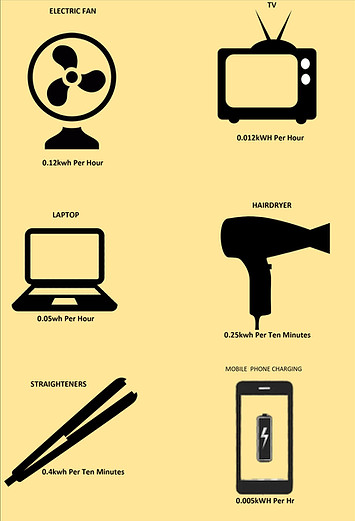
In our daily lives, understanding the meter is surprisingly useful. For instance, if you're battling a mysteriously high electricity bill, knowing how to read your meter allows you to track consumption over short periods. You can conduct a fun little experiment: turn off everything in your house, note the meter reading, then turn on just one major appliance (like a washing machine) for an hour, and see how much your meter advances. It’s a great way to identify energy guzzlers! In education, these concepts are golden for science classes, illustrating principles of electricity and magnetism, or even for teaching basic budgeting in home economics. It brings abstract concepts of energy consumption right into your home.
Want to explore it yourself? Start by simply locating your electric meter. Is it an old mechanical one with dials or a modern digital display? Take a moment to read it down – most digital ones are straightforward. Your utility company's website likely has guides on how to interpret the readings. Many smart meter owners can even access online portals that provide detailed usage data, sometimes broken down by the hour! Getting curious about your electric meter is a small step, but it’s a wonderful way to connect with the unseen energy that powers our world and gives you a bit more control over your energy habits.