How Do You Say Teddy Bear In Spanish

Ever wondered how to say "teddy bear" in Spanish? It might seem like a trivial question, but exploring the nuances of language, even for something as cuddly as a teddy bear, opens a little window into a different culture and can be surprisingly rewarding. Plus, imagine the fun of surprising a Spanish-speaking child with their favorite toy, calling it by its proper name! It’s a simple way to connect with others and broaden your understanding of the world.
So, why bother learning how to say "teddy bear" in another language? Firstly, it's a great introduction to the Spanish language itself. Learning a single word can spark curiosity and motivate you to explore more. Secondly, it's practical! If you're traveling to a Spanish-speaking country with children, or interacting with Spanish-speaking families, knowing this word can be incredibly useful. Finally, it's just plain fun! Language learning doesn't always have to be about grammar and conjugation. It can be about discovering new words and phrases related to things you love, like, well, teddy bears!
The most common way to say "teddy bear" in Spanish is "oso de peluche." Let's break it down: "oso" means "bear," "de" means "of," and "peluche" means "plush" or "stuffed." So, literally, it translates to "bear of plush." You might also hear "osito de peluche," which is the diminutive form. "Osito" means "little bear," making it "little plush bear" or "little stuffed bear." This is often used when referring to a smaller or more endearing teddy bear, perfect for children!
Must Read
In some Latin American countries, you might encounter other variations. For example, in some regions, they might simply use "peluche" to refer to a stuffed animal, including a teddy bear. However, "oso de peluche" and "osito de peluche" are widely understood and accepted across most Spanish-speaking regions.
How can you use this newfound knowledge? In education, teachers can use teddy bears as a tool to introduce Spanish vocabulary to young learners. Imagine a lesson where children learn to identify different parts of the teddy bear in Spanish: "ojos" (eyes), "nariz" (nose), "orejas" (ears), and so on. In daily life, if you know a child who loves teddy bears and is learning Spanish, you can use "oso de peluche" or "osito de peluche" when talking about their toy. It’s a simple yet effective way to support their language development.
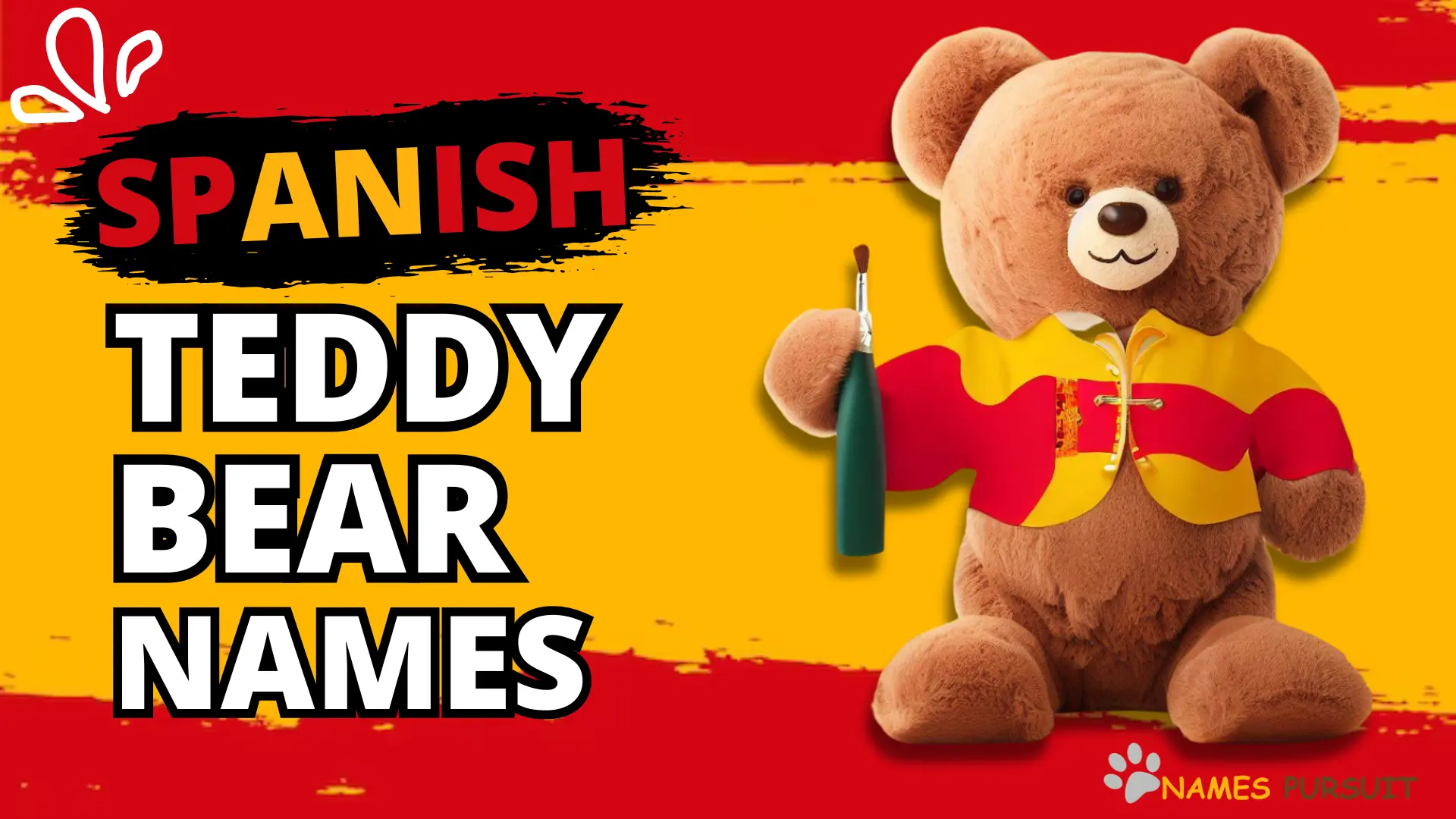
Want to explore this further? Here are some simple tips: Listen to Spanish songs for children and see if you can spot the word "oso" or "osito." Watch Spanish cartoons or shows where characters might have teddy bears. Look up images of "osos de peluche" online to associate the word with the visual. Most importantly, practice saying it aloud! The more you say "oso de peluche" or "osito de peluche," the more natural it will become.
So, the next time you see a teddy bear, remember that saying its name in Spanish – "oso de peluche" or "osito de peluche" – is more than just translating a word. It's about connecting with a different culture, expanding your linguistic horizons, and perhaps even bringing a smile to someone's face. Go ahead, give it a try! ¡Dile "hola" a tu oso de peluche! (Say "hello" to your teddy bear!)