
How Do You Say Great Aunt In Spanish
Ever wondered how to say "Great Aunt" in Spanish? It's a fun little language adventure waiting to happen! Get ready to unlock some seriously cool Spanish family vocabulary.
So, How Do You Say It?
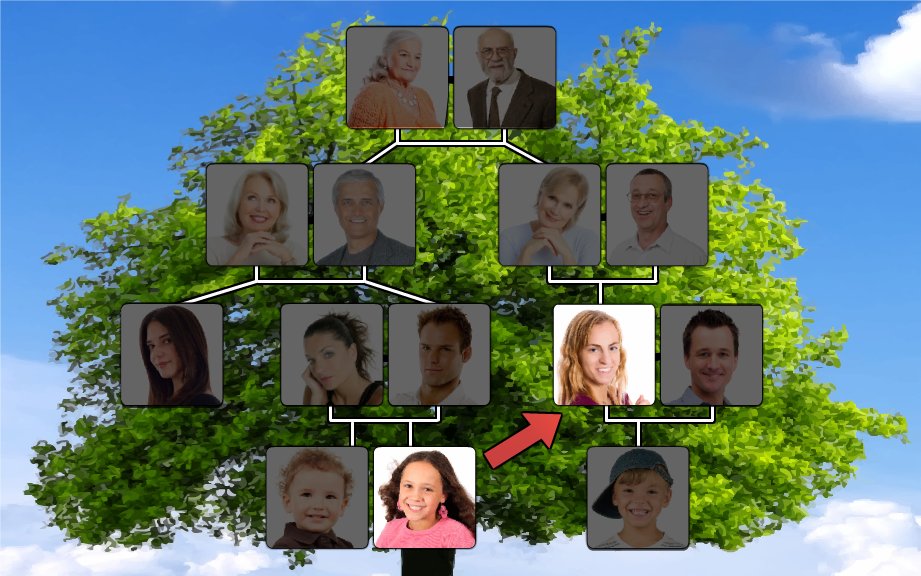
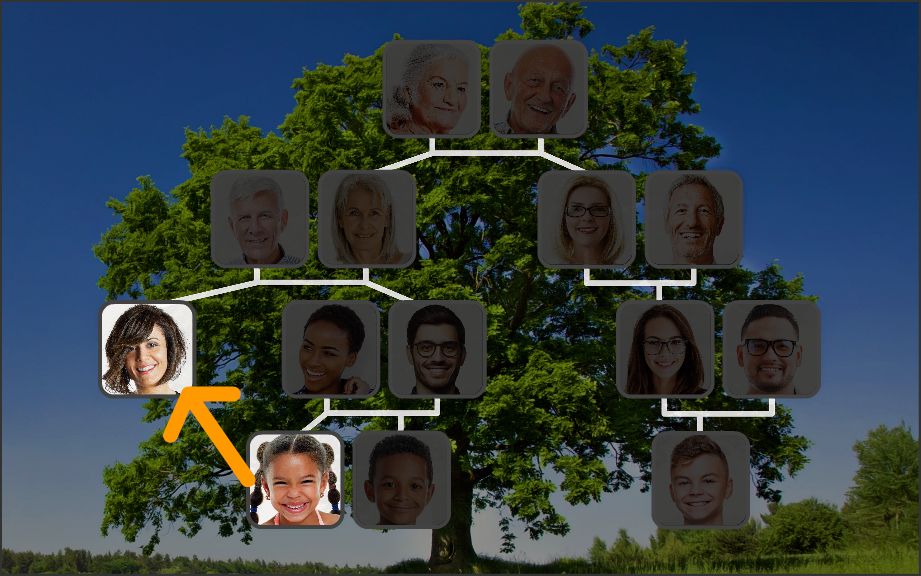
Alright, let's dive into the heart of the matter. The most common way to say "Great Aunt" in Spanish is "tía abuela." Isn't that a mouthful of awesome?
It's essentially a combination of "tía" (aunt) and "abuela" (grandmother). Put them together, and bam! Great Aunt magic happens.
Must Read
Breaking It Down: Word by Word
Let's dissect this fantastic phrase. "Tía" is the Spanish word for aunt. Easy peasy, right?
And then we have "abuela," which means grandmother. So, "tía abuela" literally translates to "aunt grandmother." Makes perfect sense!
Think of it like a family tree, one word building upon another. It's like unlocking a secret code to your family's history, one Spanish word at a time.
Variations and Regional Differences
Languages are living things, full of delightful variations. Spanish is no exception, and even something as simple as "Great Aunt" might have a regional twist!

In some areas, you might hear people say "tía segunda." This literally translates to "second aunt."
It's all about context and where you are in the Spanish-speaking world. Don't be surprised if you encounter different versions! It just adds to the fun.
The Beauty of Language Nuance
The fun part is hearing native speakers use these terms in real life. It's like discovering a hidden gem of linguistic diversity.
Pay attention to the way they roll off the tongue. Spanish pronunciation is so melodic and expressive.
You could also say "la hermana de mi abuelo/a." This translates to "the sister of my grandfather/grandmother," which is another way to specify a great aunt.
Why Is This So Entertaining?
Learning how to say "Great Aunt" is more than just vocabulary. It's a gateway to understanding culture and family dynamics.
Think about all the stories your tía abuela holds. Learning how to address her in Spanish feels like a special connection to those stories.
Plus, it's just plain impressive to bust out some Spanish at your next family gathering. Imagine the looks on their faces!
Impress Your Family and Friends
Imagine strolling into a conversation and casually dropping, "Ah, sí, mi tía abuela es muy interesante." (Oh yes, my great aunt is very interesting.)
You'll instantly sound like a sophisticated world traveler. Even if you're just ordering tacos in your mind.
It's all about the confidence and the sheer audacity of speaking another language. Own it!
Beyond "Great Aunt": Expanding Your Spanish Family Tree
Once you've mastered "tía abuela," why stop there? The Spanish family tree is vast and full of interesting relatives to name.
Learn how to say "cousin," "nephew," and "grandchild." Build your vocabulary and become a family-naming superstar!
You can even start researching regional variations of these terms too. It's a language learning adventure that never ends.
Resources to Keep Learning
There are tons of online resources to help you on your Spanish journey. Language learning apps, websites, and even YouTube channels are bursting with content.

Don't be afraid to jump in and explore. Start with the basics and then work your way up to more complex phrases.
Consider joining a Spanish conversation group. Practicing with others is a great way to improve your fluency and have fun!
The Bottom Line
Learning how to say "Great Aunt" in Spanish is a delightful and rewarding experience. It's a small step that can open up a whole new world of language and culture.
So, go forth and impress your friends, family, and even your tía abuela with your newfound Spanish skills!
Who knows, maybe your Spanish-speaking great aunt will be so touched, she’ll teach you how to make her famous paella!