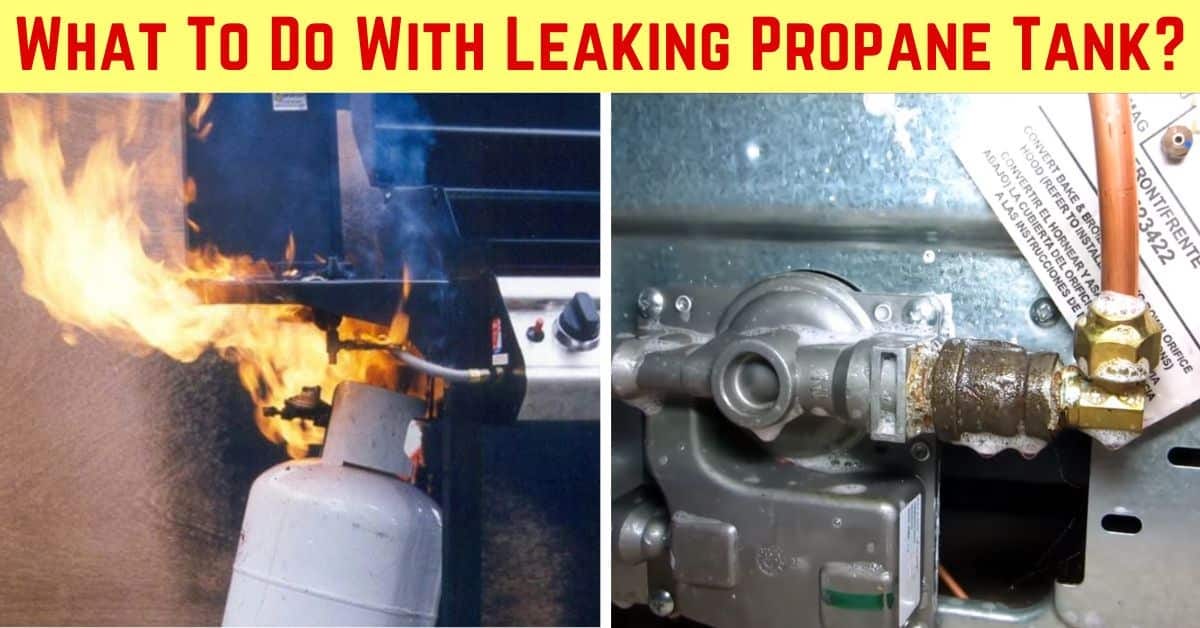
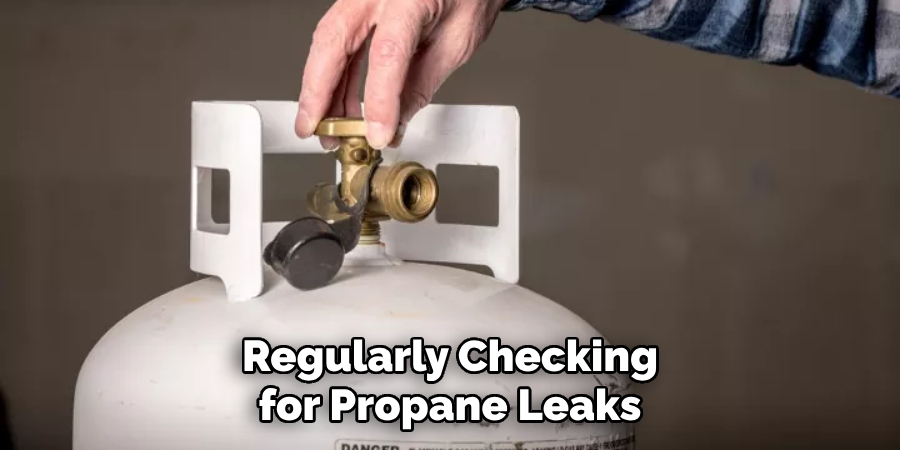
How Do You Know If You Have A Propane Leak
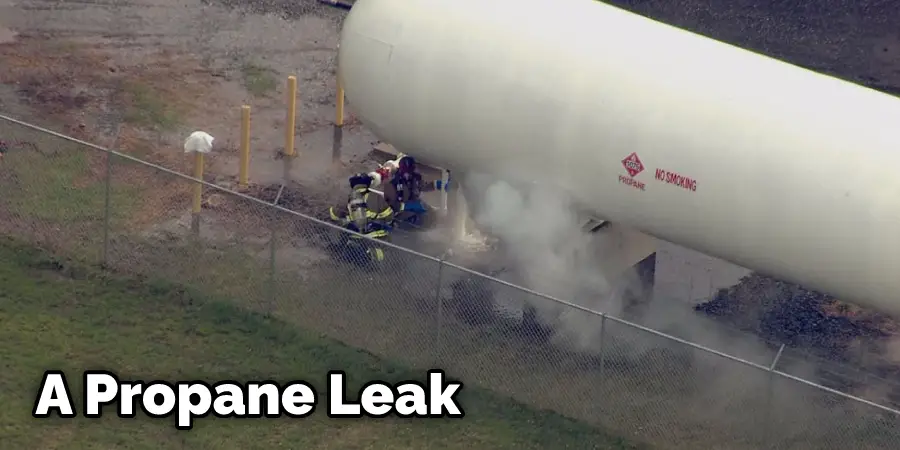
Ah, propane! The trusty sidekick to our backyard barbecues, the silent workhorse behind our cozy patio heaters, and the unsung hero of many a delicious camping meal. It’s the invisible friend that fuels so much of our outdoor fun and even some indoor comforts. We love it for its efficiency, its clean burn, and its sheer convenience. But like any good friend, it’s important to understand it, especially when it might be trying to tell us something.
Picture this: You’re out on the deck, grilling sizzling burgers, the aroma of charcoal (or maybe just good times) filling the air. Or perhaps you’re just enjoying a quiet evening by the fire pit, bathed in the warmth from your propane tank. Everything is perfect. Then, a subtle whiff… a faint scent that pricks your nose. Is it the neighbor's experimental dinner? Did a skunk wander by? Or could it be something more?
The Nose Knows… Sort Of!
Here’s the surprising twist that often catches people off guard: pure propane, in its natural state, is completely odorless. That’s right! It’s like a silent ninja, which isn’t great when you want to know if it’s escaping. Because of this, propane manufacturers add a special ingredient, a pungent odorant, to make leaks detectable. This brave little chemical is called Mercaptan, and it’s specifically designed to smell like rotten eggs, skunk spray, or even boiled cabbage. So, if your backyard suddenly smells like a particularly bad science experiment, Mercaptan is likely sending out an SOS!
Must Read
Fun Fact: The distinctive "rotten egg" smell associated with propane isn't propane itself, but a super-stinky additive called Mercaptan. It's the unsung hero of propane safety!
This powerful odorant is your first and best line of defense. It’s there to grab your attention, pull you away from your perfectly seared steak, and make you say, "Hold on a minute!" Don't ignore it. That distinct, unpleasant smell is your propane system’s way of tapping you on the shoulder and whispering, "Hey, I think I have a boo-boo."
Beyond the Sniffer: Other Propane Clues
While your nose is often the first to sound the alarm, it’s not the only detective on the case. Sometimes, especially with very small leaks or if the smell gets dispersed quickly by wind, you might need a few other tricks up your sleeve. Think of yourself as a super-sleuth, looking for all the subtle hints propane might be dropping.
The Eyes Have It: Visual Cues
Sometimes, a propane leak will literally reveal itself before your very eyes. If you look closely at your propane tank or the lines connected to it, you might spot some visual indicators:
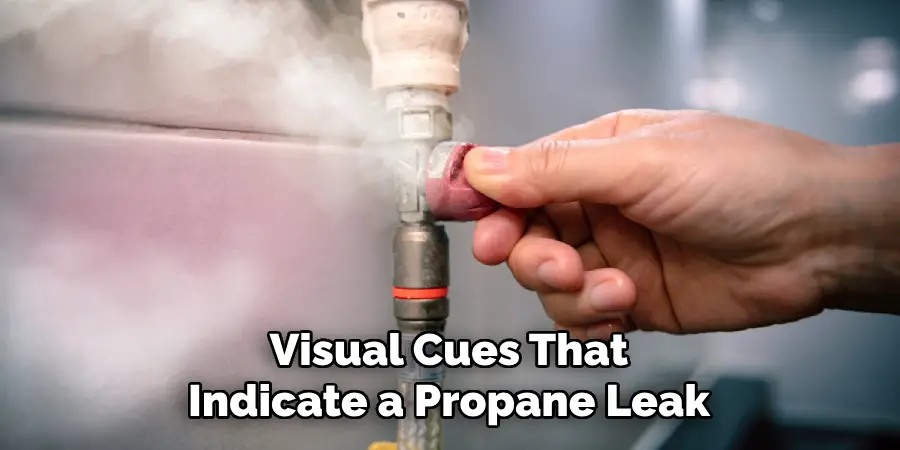
- A frosty surprise: Propane, when it rapidly escapes, causes a chilling effect. This can lead to a white, frosty patch forming on the outside of your tank or connection points. It’s like tiny, unwanted snowflakes appearing on a warm day – a definite red flag!
- Bubbles, bubbles everywhere: For a super easy and incredibly effective detection method, try the "soapy water" trick. Mix some dish soap with water in a spray bottle or just a cup, then liberally apply it to all connections, hoses, and valves on your propane system. If you see bubbles forming and growing, almost like a mini bubble bath, congratulations – you’ve found your leak! It’s surprisingly satisfying, in a "mystery solved" kind of way.
The Ears Don't Lie: Auditory Clues
Sometimes, a leak can be loud and proud. If you're near a larger leak, you might hear a distinct hissing sound. It’s not the gentle hum of a happy appliance; it’s more like a subtle, steady whisper that demands attention. If you hear a hissing, especially near your tank or gas lines, consider it an urgent message.
Okay, I Think I Have a Leak! Now What?
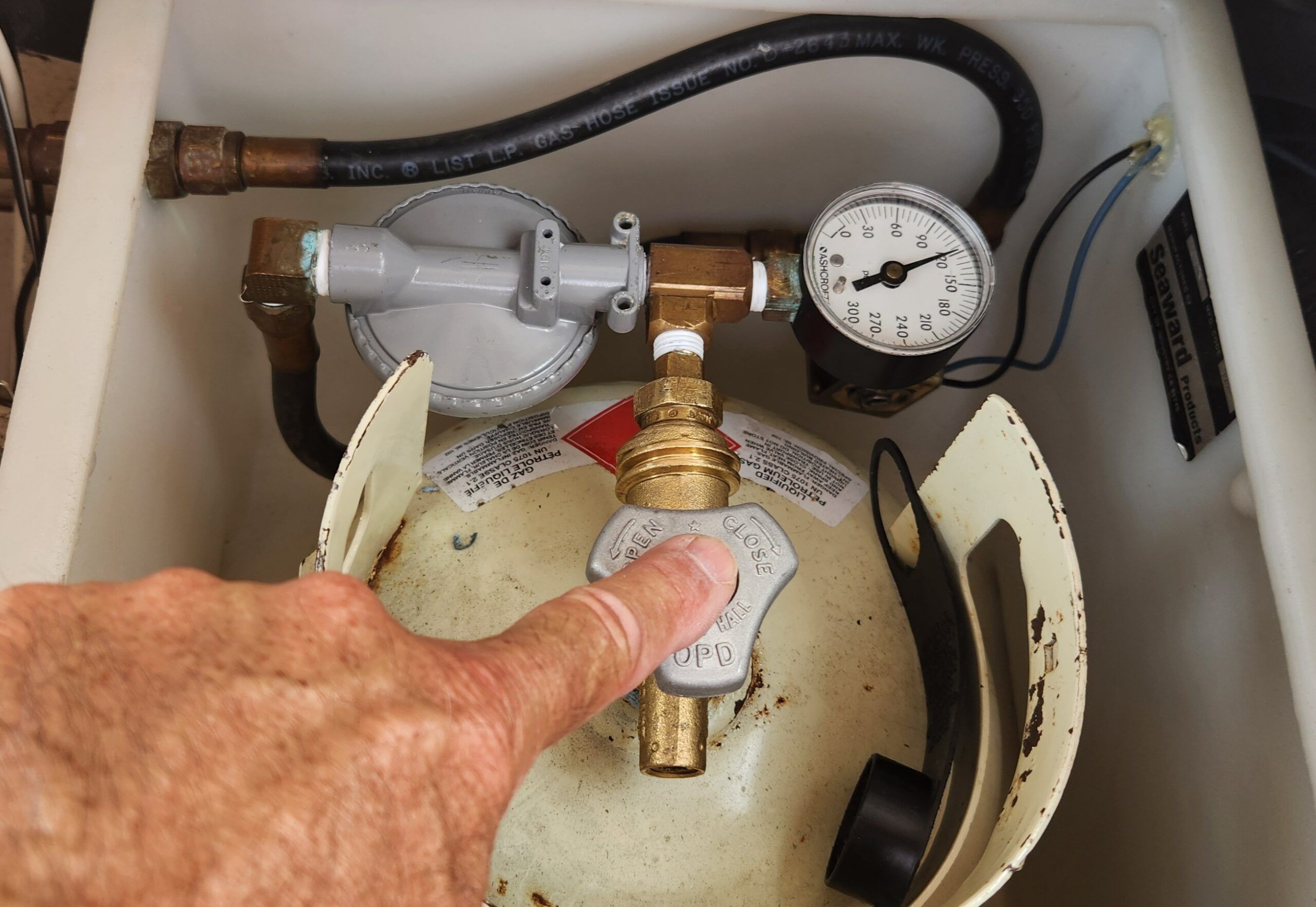
So, you’ve smelled the rotten eggs, seen the frost, or heard the hiss. Don't panic! The most important thing is to act calmly and quickly. First, if it's safe to do so, turn off the propane supply at the tank. There’s usually a valve right at the top. Next, evacuate the area immediately. Get everyone – two-legged and four-legged friends – away from the potential danger. Don’t try to find the source yourself beyond that initial check, and definitely don’t ignite anything (no lights, no phone calls from inside the immediate area). Once you're safe, call your propane supplier or the fire department. They are the experts, and they’ll handle it with professional care.
Embrace the Propane Life, Safely!
Propane is a fantastic resource that brings so much joy and convenience to our lives. Understanding how to detect a leak isn't about fostering fear; it's about empowering ourselves with knowledge and building confidence. It’s about being a responsible, savvy propane user who can enjoy all the benefits without a worry in the world. So, next time you fire up the grill or cozy up by the propane fire pit, take a moment to appreciate that wonderful, invisible fuel – and the stinky little hero, Mercaptan, that helps keep us all safe!