How Do You Hook A Portable Generator To Your House

Ever found yourself sitting in the dark, maybe during a wild storm, with the fridge slowly warming up and your phone battery dwindling? It's a classic scenario, isn't it? In those moments, you might dream of a magical button that just... brings the power back. Well, while it's not quite a magic button, understanding how to hook a portable generator to your house is pretty close to gaining a superpower for those grid-down moments. It’s a fascinating bit of practical knowledge that offers both peace of mind and a tangible sense of preparedness, making you feel a bit like a modern-day pioneer, ready for anything!
So, what’s the big idea behind connecting a portable generator? Simply put, its purpose is to keep your essential home systems running when the main power grid decides to take a nap. Imagine: your refrigerator humming along, saving your groceries from spoilage; the furnace or AC keeping your home comfortable; lights illuminating your space; and perhaps most importantly, your Wi-Fi router keeping you connected to the outside world. The benefits are huge – avoiding discomfort, potential financial loss from spoiled food, and that nagging feeling of helplessness. It’s about maintaining a semblance of normalcy and safety, even when the world outside is in chaos.
In daily life, the most obvious use is, of course, during power outages caused by severe weather, utility work, or unforeseen emergencies. But beyond just keeping the lights on, learning about this process can be surprisingly educational. It introduces you to basic concepts of electrical safety, load management, and the crucial distinction between different types of power connections. While you certainly don't need to become an electrician, understanding the "why" and "what for" helps demystify the electrical systems we rely on daily. It’s a real-world application of physics and engineering, right in your own backyard!
Must Read
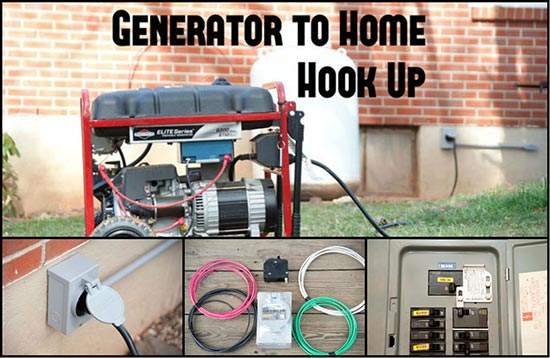
Ready to explore a bit more? Here are a few practical tips, though remember: safety is paramount and professional installation is always recommended for directly linking a generator to your home's electrical panel. First, never, ever plug a generator directly into a wall outlet in your home – this is called "backfeeding" and can be incredibly dangerous, potentially sending power back into the utility lines and harming workers. Instead, research something called a transfer switch. This is a crucial device that safely disconnects your house from the utility grid before allowing generator power in. Look into different generator sizes and what appliances you'd want to power. A smaller generator might handle just the fridge and a few lights, while a larger one could manage more.
To really delve in, start by watching reputable videos on generator safety and transfer switch explanations. Talk to a qualified electrician in your area – they can assess your home's needs and recommend the safest, most efficient setup. Read the manuals for any generator you consider; they contain a wealth of critical information. Understanding how to hook up a portable generator isn't just about avoiding a few hours in the dark; it's about gaining knowledge, enhancing your home's resilience, and feeling empowered to tackle unexpected challenges head-on. It's a truly worthwhile journey into practical preparedness!