How Do Wireless Surveillance Cameras Work
Ever paused to wonder about the tiny, digital eyes that populate our world, from keeping an eye on a slumbering baby to overseeing a bustling workshop? We're talking about wireless surveillance cameras, not as daunting guardians, but as fascinating marvels of modern engineering. Far from being solely about security, understanding how these clever gadgets work can actually be a surprising source of creative inspiration and a fantastic learning journey for anyone!
For the curious hobbyist, delving into the mechanics of a wireless camera is like unlocking a secret level in your understanding of the digital world. You get to peek behind the curtain of how images are captured, converted into data, and then beamed across thin air to your device. This knowledge isn't just theoretical; it's empowering! Artists, for instance, might find inspiration in the concept of remote vision, incorporating live feeds or networked cameras into interactive installations, exploring themes of perception, presence, and connection. Imagine creating an art piece that streams the subtle shifts of daylight in your studio throughout the day, or a performance that reacts to an unseen remote observer. For the casual learner, it simply satisfies that innate human desire to know "how does that work?" – turning a black box into a clear window of understanding.
The applications for this understanding are wonderfully varied. Think of the DIY enthusiast: knowing about Wi-Fi protocols and video compression opens up a world of possibilities for custom home automation, like setting up a camera to monitor your 3D printer's progress from another room, or keeping an eye on your beloved pet's shenanigans when you're out. You could even build a simple weather cam to observe local conditions remotely! For the artist, the variations could involve projecting live camera feeds onto canvases, creating a dialogue between the physical and the digital, or experimenting with camera angles and perspectives that are physically impossible without wireless transmission. The beauty lies in treating the camera not just as a security tool, but as a versatile remote eye capable of extending your senses.
Must Read
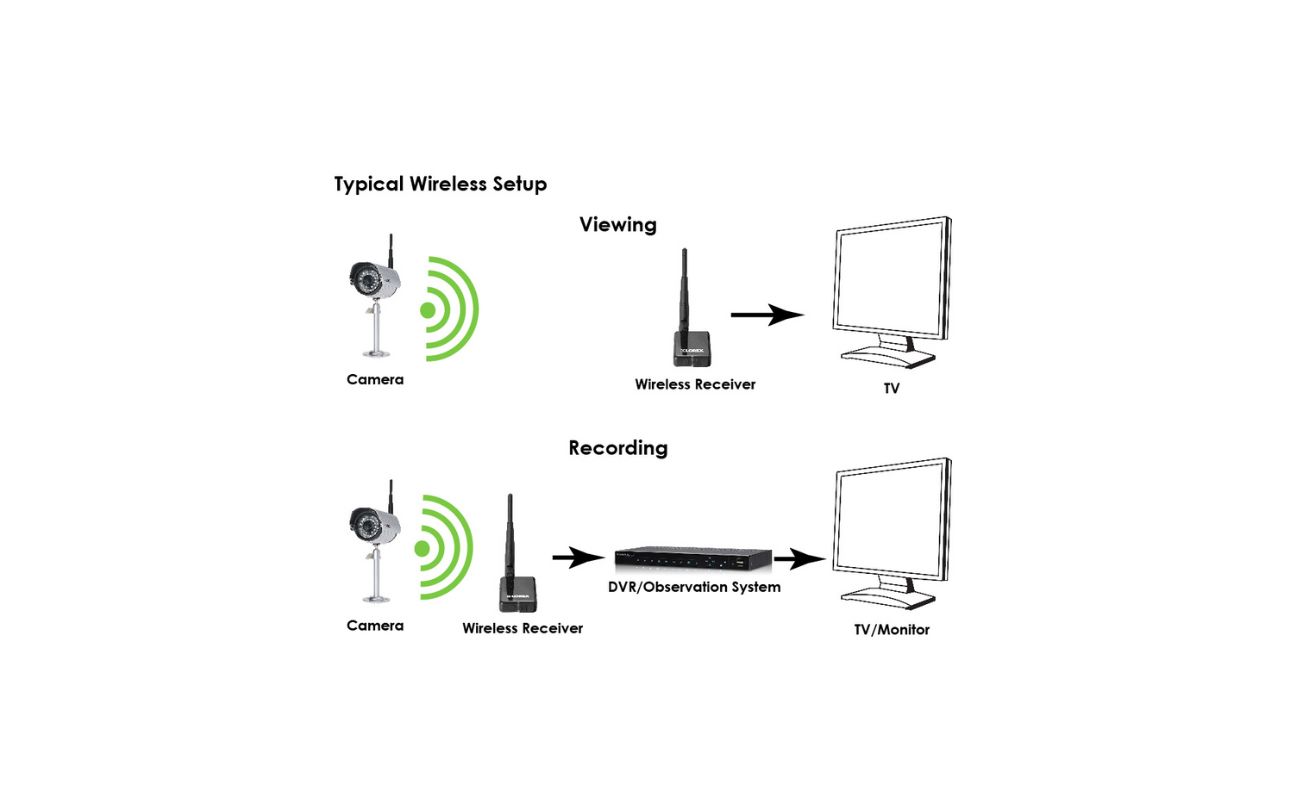
Ready to try it at home? You don't need a high-tech lab! Start with an old smartphone and a free app that turns it into an IP camera, streaming its feed over your home Wi-Fi network. This immediately gives you a tangible experience of wireless video transmission. Experiment with placing it in different rooms, observing how the signal strength changes, or playing with various lighting conditions to see their effect on the image quality. Explore the settings for resolution and frame rate; you'll quickly grasp how these impact the data being sent. Many basic consumer IP cameras are quite affordable and come with user-friendly apps, providing a great sandbox for understanding concepts like network configuration, cloud storage (or lack thereof), and motion detection. Focus on the core components: the lens capturing light, the sensor converting light to electrical signals, the processor converting those signals into data, and the Wi-Fi module sending that data wirelessly.
Ultimately, understanding how wireless surveillance cameras work is incredibly enjoyable because it demystifies a piece of everyday technology. It transforms something often perceived as complex or even a little intimidating into an approachable system of interconnected parts. It’s the thrill of cracking a mini-code, of turning passive observation into active comprehension, and perhaps, even sparking your next great creative or DIY adventure. Happy exploring!