
How Do I Know When My Septic Tank Is Full
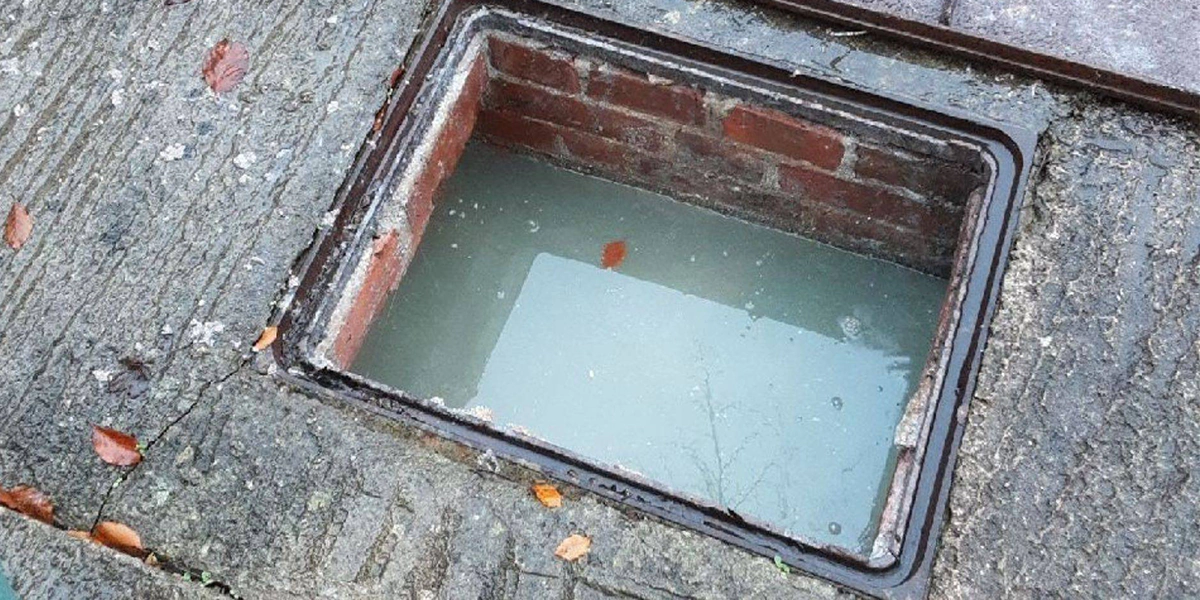
Alright, let’s talk about something super glamorous: your septic tank. Gag I know, I know. It’s not exactly dinner-table conversation, but trust me, knowing what’s going on down there can save you a whole lot of headache—and a significant amount of money!
Think of your septic system as your home’s unsung hero, quietly doing the dirty work (literally!) day in and day out. But even heroes need a break, or in this case, a pump-out. The big question, the one that keeps us rural folks up at night sometimes, is: "How do I know when my septic tank is full?"
The Subtle Nudges (and Not-So-Subtle Shoves!)
Your septic tank isn't going to send you a text message, bless its heart. But it will give you some pretty clear signals. You just have to know how to read them. And sometimes, those signals are less like a gentle whisper and more like a full-blown siren!
Must Read
1. The Slow-Mo Drains (Oh, the Drama!)
This is usually the first subtle hint, isn’t it? You’re brushing your teeth, and the water just… sits there. Or you flush the toilet, and it takes an eternity to clear. We’ve all been there, right? You try plunging, you pour a little drain cleaner (which, by the way, isn't always a friend to your septic system!), but nothing really helps. If multiple drains are suddenly moving at a snail's pace, or your toilet seems to be having a particularly dramatic slow flush, that’s a big, fat warning sign.
It means the wastewater isn't moving through the system as efficiently as it should be. The tank is probably reaching its capacity, causing a backup in the pipes leading to it. Your internal plumbing is basically yelling, "Help me!"

2. The Gurgle Monster Under the Sink (or Toilet!)
Ever hear a weird, gurgling sound coming from your drains or, even worse, your toilet after you flush? It’s not a sea monster; it's probably your septic tank trying to tell you something! This sound happens when air gets trapped in the pipes because water isn't draining properly. It’s a bit like a burp, but way less charming.
It’s another indication that there's a blockage or an overflow situation brewing. And trust me, you don't want to ignore a gurgle monster. It usually escalates!
3. The Unmistakable "Eau de Septic" (Phew!)
Okay, this is where things get truly unpleasant. If you start noticing a foul odor, that distinct rotten egg or sewage smell, either inside your home or outside in your yard near the septic tank or drain field, that’s a massive red flag. A very, very stinky red flag.

Indoors, it often means gases from the tank are escaping back up through your drains because the tank is too full or there's a vent pipe issue. Outdoors, especially if the smell is concentrated over your drain field, it means the system is overflowing and surfacing. The "perfume" of a full septic tank is unforgettable, and not in a good way.
4. The Lush Green Patch (or Puddles of Despair!)
Take a stroll around your yard, especially in the area where your septic tank and drain field are located. Notice anything… unusual? If you spot an area of grass that’s suddenly much greener, thicker, and lusher than the rest of your lawn, that might seem nice, but it's actually a cause for concern. It indicates that wastewater is surfacing, essentially fertilizing that patch of grass a little too well.
Even worse are actual standing puddles of water, particularly after a dry spell. This is a clear sign that your drain field is saturated and cannot absorb any more liquid. This is beyond full; this is overflowing. And those puddles? Yeah, they're not rainwater. Shudder.

5. The Dreaded Sewage Backup (Game Over!)
Alright, if you've ignored all the previous signs, or if your tank just decided it was done for the day, this is the grand finale no one wants. Sewage backing up into your toilets, bathtubs, or even kitchen sink. This is the ultimate "your septic tank is full and giving up" signal.
At this point, you're not just looking at a pump-out; you're looking at a serious plumbing emergency and a pretty gross cleanup job. Trust me, you want to catch it before it gets to this point. This is where the light exaggeration turns into grim reality.
6. When Was the Last Time, Anyway? (A Quick Check-Up)
Sometimes, it's not about immediate symptoms, but about proactive common sense. Do you even remember the last time your tank was pumped? For most households, depending on the size of your tank, the number of people living in the house, and your water usage, a septic tank generally needs to be pumped every 3 to 5 years. If it's been longer than that, or if you've added more people to your household recently, it might just be time for a scheduled check-up, even if you're not seeing obvious signs. Think of it as preventative maintenance for your home’s most crucial "digestive system."

So, What Now?
If you're noticing any of these signs, don't panic! But also, don't wait. The absolute best thing you can do is call a qualified septic professional. They have the right equipment and expertise to assess the situation, pump your tank, and recommend any further steps. Trying to DIY a full septic tank situation? Not a good idea. Trust me on this one. You’ll thank me later.
Being mindful of what goes down your drains (no harsh chemicals, grease, or non-biodegradables!) and scheduling regular maintenance are your best friends in keeping your septic system happy. A happy septic system means a happy, stink-free home for you!
Now, go forth and inspect your yard (and your drains!). Your nose (and your wallet) will thank you for being proactive. Who knew plumbing could be so… educational?