
How Do I Know If My Car Seat Expired
There it sits, nestled in the back of your car. That trusty companion, the silent sentinel, your child's personal safety pod. From the very first shaky ride home from the hospital to countless commutes and epic road trips, your car seat has seen it all.
It’s witnessed spilled juice boxes, impromptu singalongs, and more than a few sleepy heads bobbing gently. This humble piece of gear becomes an almost invisible part of your family’s daily life, a constant fixture.
We fuss over brands, safety ratings, and fabric choices when we first buy them. We spend hours poring over reviews, imagining our little one secure and snug. But then, a funny thing happens: we often forget about them, or rather, take them for granted.
Must Read
That is, until a casual conversation with another parent or a late-night internet scroll throws a surprising curveball. Suddenly, a startling question pops into your head: "Wait a minute, can car seats actually... expire?"
It sounds utterly baffling, doesn't it? Like a toaster suddenly declaring it’s past its prime, or your favorite comfy couch refusing to offer support anymore. A car seat isn't food, it doesn't get moldy (hopefully!), so how could it have an expiration date?
The Great Expiration Revelation
The idea of a car seat having a best-before stamp often hits parents like a bolt from the blue. It’s usually met with a mix of disbelief, a touch of panic, and then, a hefty dose of "Oh, come on!"
You might picture your beloved seat, still looking perfectly fine, suddenly dissolving into a pile of dust. Or perhaps it will just politely refuse to buckle one day, giving you a tiny, dignified shrug.
The reality, thankfully, is far less dramatic, but no less important. Imagine the shock when you learn this critical piece of information. It's often delivered with a wide-eyed stare from a friend, as if you’ve just discovered a secret society of aging car seats.
The first step, once this revelation sinks in, is usually a frantic dash to the car. You might feel a sudden urge to scrutinize every buckle, every strap, every inch of plastic. It’s like a treasure hunt, but the treasure is a date.
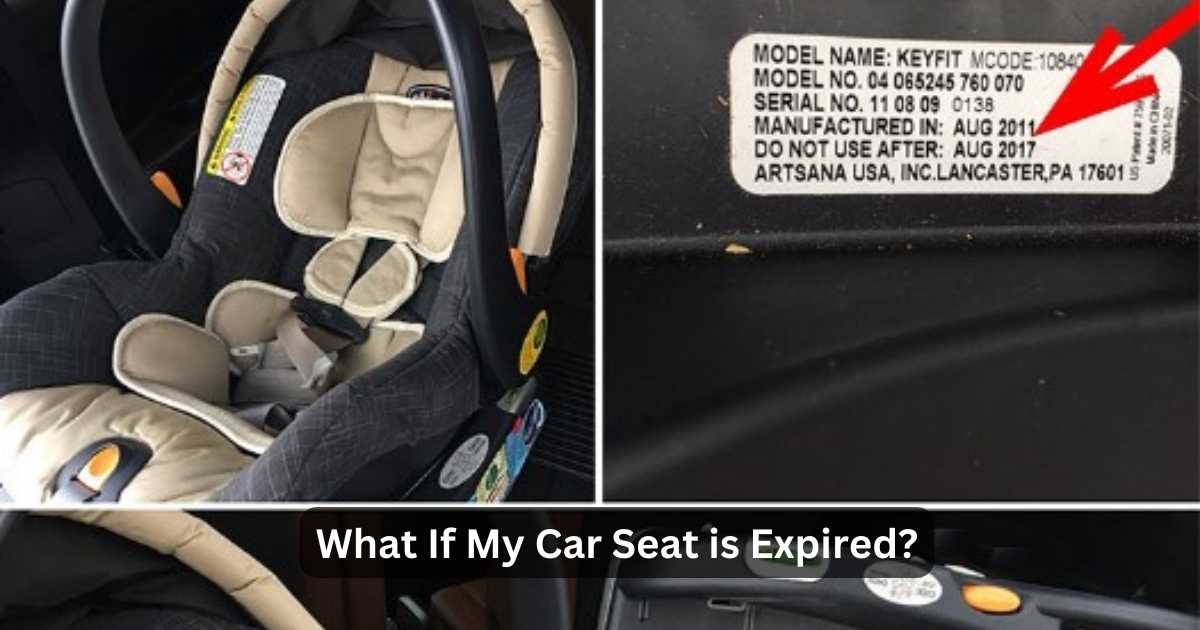
Where could it be hiding? On the side? Underneath? Is it written in some ancient, tiny script only decipherable by car seat gurus? The search itself can be quite an adventure, bending and contorting yourself in the back seat.
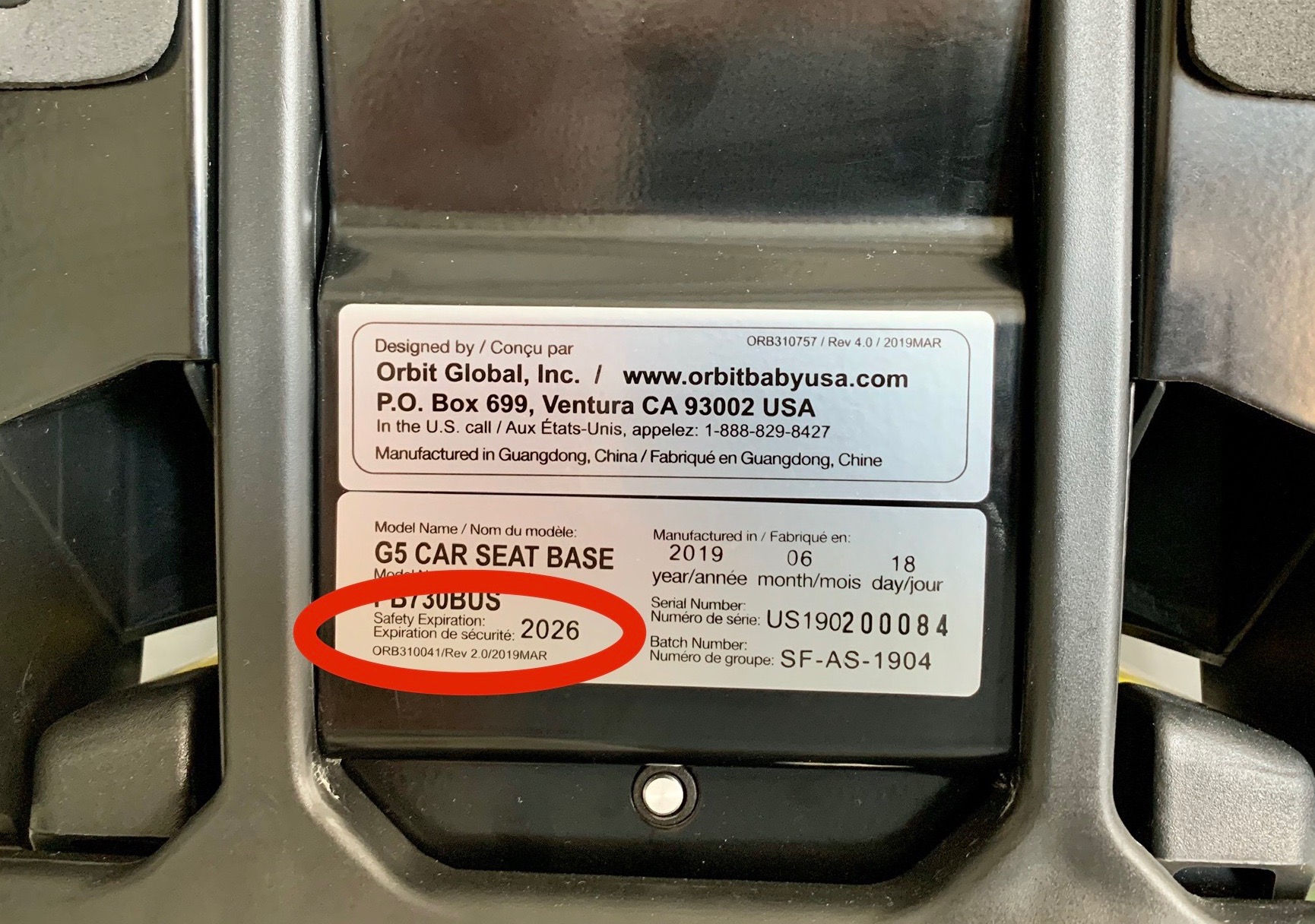
Often, it's tucked away on a sticker on the back or bottom, sometimes molded into the plastic itself. You’re looking for two crucial dates: the Date of Manufacture (DOM) and, sometimes, a separate Expiration Date (EXP).
Unveiling the Hidden Truth
You might even have to unbuckle the seat from its LATCH system or seatbelt, hoist it out, and flip it over. This can be a mini-workout, especially if your car seat is already adorned with crumbs and tiny forgotten toys.
And there it is! A seemingly innocuous little stamp, often small, unassuming, yet holding such powerful information. You might squint, pull out your phone’s flashlight, and even recruit a partner to help you decipher it.
It usually reads something like
"Do not use after: MM/YYYY"or simply gives a manufacture date, with the general rule of thumb being six to ten years from that date, depending on the manufacturer and model.
For many parents, finding that date feels like stumbling upon a secret code. You might let out a small gasp, or a triumphant "Aha!" depending on whether the news is good or bad. It’s a moment of unexpected clarity.
And then the big question looms: Why? Why does this perfectly good-looking piece of plastic have an expiration date? It's not like the bananas in your fruit bowl.

Why Our Beloved Car Seats "Retire"
The truth is, your car seat is a superhero. It works incredibly hard, silently protecting your child day in and day out. Over time, all that hard work takes a toll, even if it’s not immediately visible.
Think about it: the plastic components are constantly exposed to temperature fluctuations – scorching summers, freezing winters, and everything in between. This constant expansion and contraction can weaken the plastic.
The straps endure countless tugs, buckles click hundreds, if not thousands, of times. The fabric gets pulled, pushed, and yes, sometimes even chewed on. All these seemingly small stressors add up.
Manufacturers also constantly innovate. Safety standards evolve, new materials are developed, and crash test technology improves. An older seat, while safe at the time of its creation, might not meet the very latest advancements.
It's not that your car seat suddenly becomes dangerous overnight the moment its expiration date passes. Rather, the expiration date is a conservative estimate of when the materials and components might start to show significant wear or degradation.
It’s the manufacturer saying, "We can guarantee its top performance up to this point, considering all the variables." It's like a warranty for your peace of mind, a promise of continued peak performance.

The Bittersweet Farewell
Discovering your car seat has expired can feel a little heartbreaking. This isn't just a piece of gear; it’s a vessel of memories. It carried your tiny newborn home, often with you peering anxiously in the rearview mirror.
It’s seen first words, first songs, and probably absorbed countless crumbs from drive-thru snacks. It’s been a silent witness to your child’s growth, a constant in their evolving world.
The idea of retiring it can bring a surprising wave of nostalgia. It feels like another milestone, another step away from the baby days. It’s a physical manifestation of time marching on.
But this isn't a sad ending! Think of it as a graduation. Your car seat has completed its mission with flying colors, ensuring your precious cargo arrived safely at every destination. It deserves a celebratory send-off.
It’s like saying goodbye to a valiant, loyal steed after a long and successful quest. That car seat has done its duty, protecting your most valuable possession. It deserves a graceful retirement.
So, what do you do with a retired car seat? The key is to prevent it from being reused by someone else. You definitely don’t want it passed on to another family, unknowingly putting another child at risk.
Beyond Expiration: What Next?
The best way to dispose of an expired car seat is to render it unusable. Cut the straps, remove the fabric, and dismantle as much as you can. Make it abundantly clear that it’s no longer fit for its original purpose.

Some communities have car seat recycling programs, or you might find specific instructions from the manufacturer on how to responsibly recycle the plastic components. This is a great, eco-friendly option.
Imagine your old car seat, its plastic shell perhaps reincarnated as part of a park bench or a new toy. Its legacy of safety continues, albeit in a new form. It's a sweet thought for a much-loved item.
The surprising truth about car seat expiration dates is a gentle reminder of the invisible forces at play in our daily lives. It’s a testament to the meticulous care and attention given to child safety.
It’s a story not just about plastic and dates, but about the enduring love and vigilance of parenthood. It's one more layer of protection we offer our children, often without even realizing it.
So, the next time you buckle your little one in, give a silent nod to that hard-working car seat. And perhaps, just perhaps, discreetly check that tiny, important date. You might just uncover a hidden truth!
It's a small detail, but knowing it brings a profound sense of reassurance. It’s about being informed, being prepared, and continually striving for the very best for our tiny travelers.
After all, every journey, no matter how short, deserves the safest start possible. And that starts with understanding the full story of our car seats, even their surprising expiration dates.