
How Do I Find Crime Rates For An Area

Ever found yourself daydreaming about a new neighborhood? Maybe you’re planning a big move, or perhaps you’re just curious about the quiet street three blocks over. We all wonder about the vibe of a place, don't we? It’s not just about pretty houses or lovely parks; sometimes, we also ponder about how safe it feels. And that’s totally natural!
Think of it like choosing the perfect pair of shoes. You want them comfy, stylish, and definitely not prone to tripping hazards. When it comes to an area, you want to feel that same sense of ease and confidence. So, how do you go about finding out a bit more, beyond just hearsay?
Your Digital Detective Toolkit
The first stop on your quest for neighborhood knowledge often starts with some pretty official-sounding places, but don't let the titles scare you! These spots are actually quite user-friendly. Picture them as helpful librarians, ready to point you to the right shelf.
Must Read
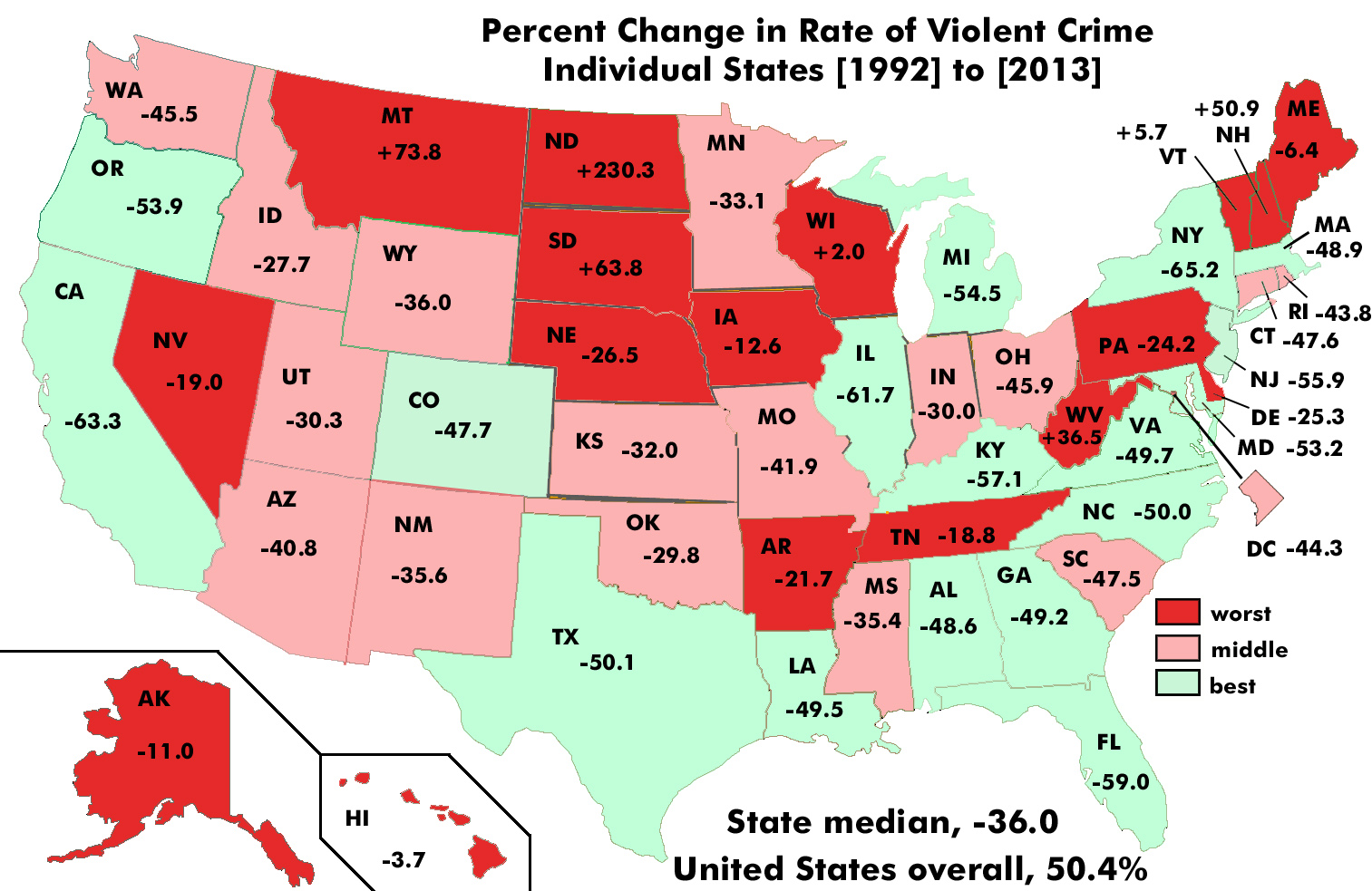
One of the biggest players in this game is the FBI. Yes, the same folks who solve big mysteries also compile fascinating crime data from across the United States. Their Uniform Crime Reporting (UCR) Program has been around for ages, offering a broad snapshot.
It's like looking at a huge, colorful map of the country, where different areas might show varying patterns. You can often find state-level breakdowns or even delve into specific cities, revealing trends that might surprise you. Suddenly, that sleepy town you thought was uneventful might have a quirky spike in bicycle thefts!
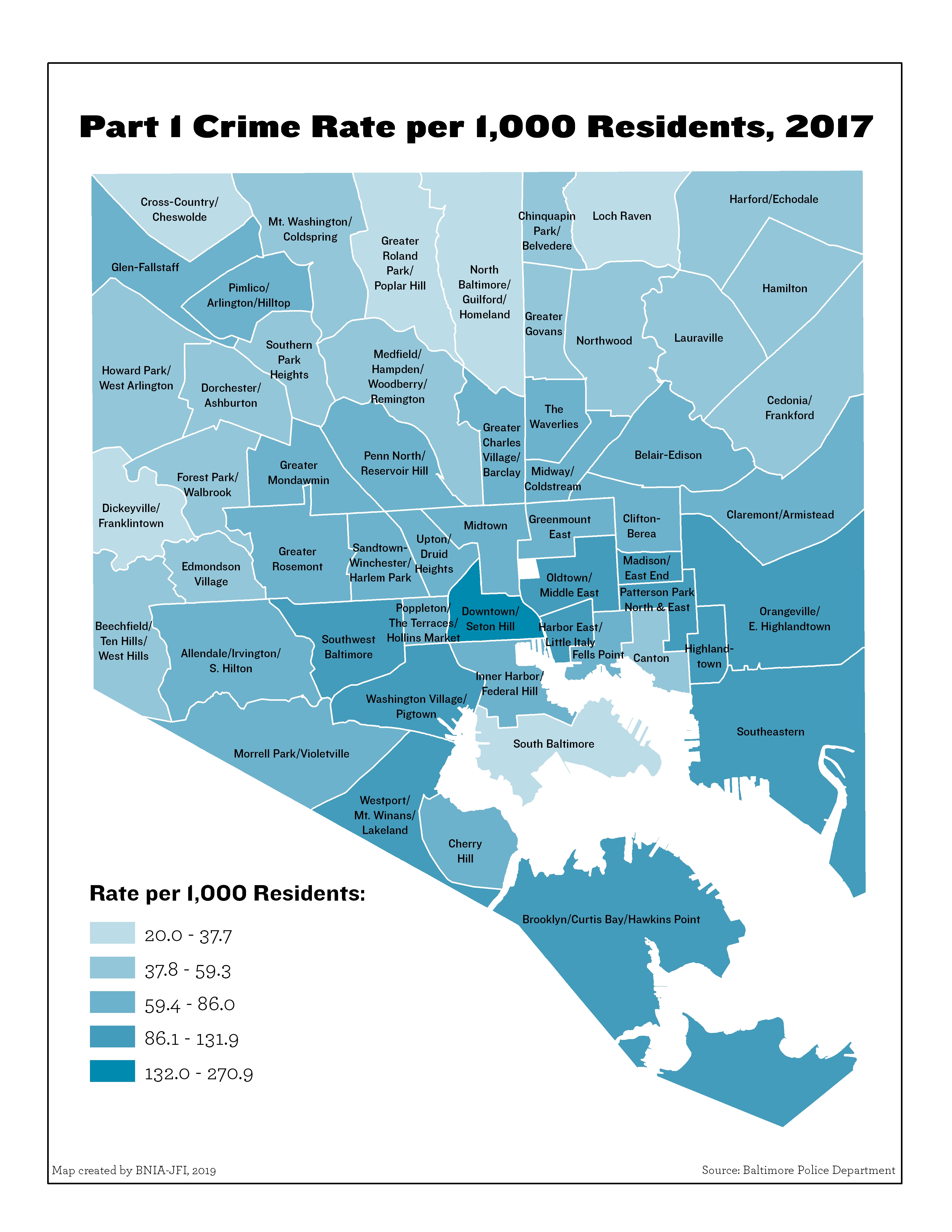
Speaking of specific cities, your local police department or sheriff’s office is often a goldmine. Many have their own websites with dedicated sections for crime statistics. These often provide more granular detail, sometimes even down to specific beats or precincts. Imagine finding out that the street famous for its annual pumpkin festival has virtually no property crime!
"Knowing is half the battle, but understanding what you know is the real victory."
The Local Scoop: Beyond the Big Data
While the federal and state sites give you the big picture, sometimes you crave the charming details that only local sources can provide. Many cities now have open data portals, which are like digital town squares where all sorts of public information is shared.
These portals can be incredibly rich, offering not just crime rates but also information about community events, park usage, and even tree planting initiatives. It’s like peeking into the heart of the community, where every piece of data tells a story.
For example, you might discover that your local park, which you always assumed was bustling with late-night mischief, actually has surprisingly low incidents, thanks to a vibrant evening dog-walking community. Dogs and their owners, patrolling the park with wagging tails – who knew they were such effective guardians?
Sometimes, the data can turn a preconceived notion on its head. A friend once worried relentlessly about an urban neighborhood known for its vibrant street art. She was convinced it must be "rough." But a quick check of the local police data showed surprisingly low rates for serious crimes, largely due to a tight-knit community and active neighborhood watch.
It turns out the biggest "crime" was probably people taking too many selfies in front of the murals. That’s a good kind of problem to have!

The Human Element: What Numbers Don't Always Tell You
While statistics are super helpful, they are just one piece of the puzzle. They give you the bones, but the real heart of an area often comes from its people and its spirit. This is where the story gets really interesting.
Have you ever heard of a Block Watch or a Neighborhood Watch? These are fantastic examples of communities taking safety into their own hands, not with grim determination, but with friendly camaraderie. They’re about neighbors looking out for neighbors, sharing tips about lost pets, and sometimes, even organizing impromptu potlucks.
Imagine discovering that a street with slightly higher reported vandalism incidents also has the most enthusiastic community clean-up days, where kids and adults alike transform graffiti into garden murals. Sometimes, the response to an issue is more heartwarming than the issue itself.
Another incredible resource can be your local librarian. Librarians are often unsung heroes of local information, possessing a wealth of knowledge about their communities and how to navigate online resources. They can often point you to local reports, community forums, or even historical data that paints a fuller picture.

Consider the story of Maple Street. For years, residents felt a bit uneasy about evening walks. The crime stats, while not alarming, did show a slight uptick in minor incidents. Instead of just grumbling, the community organized a weekly "Twilight Walkers" club.
Suddenly, the streets were filled with friendly faces, chatting and laughing. Not only did the perceived safety improve, but the actual reported incidents also dipped, simply because more eyes were on the street and more connections were being made. It was a beautiful testament to collective human warmth.
Surprising Discoveries and Heartfelt Connections
Sometimes, what you find in the data isn't a dark secret, but a delightful quirk. Maybe your town has an unusually high rate of reported lost cats – less a crime spree, more a testament to adventurous felines and worried owners!
Or perhaps you discover that the busiest commercial district, which you assumed would be a hotspot, has remarkably low rates of serious crime, thanks to a constant stream of watchful shoppers and vigilant store owners. It’s a bustling hub of impromptu guardianship!
These discoveries can transform your perspective. Instead of seeing an area through a lens of fear, you start to see it through one of community, resilience, and even humor. You realize that numbers, while informative, are just one chapter in a much larger, living story.
Finding crime rates isn't just about avoiding trouble; it’s about understanding the pulse of a place. It's about empowering yourself with information, so you can make informed decisions, yes, but also so you can appreciate the unique character and spirit of a community.
So next time you're curious, don't just rely on vague impressions. Dive into those digital resources. Look up the FBI UCR, check your local police website, and explore those fascinating city data portals.
You might just uncover something truly unexpected, something that makes you smile, or even something that inspires you to get involved and become part of your own neighborhood's heartwarming story. After all, every community has its heroes, its quirks, and its untold tales waiting to be discovered.