
How Can You Test For Carbon Monoxide

Okay, so picture this: It was a chilly Saturday morning, and I was all set to conquer my ever-growing laundry pile. You know the one, right? The Mount Everest of socks and forgotten jeans. I’d just finished a long, blissful shower, the kind where the bathroom gets all steamy and cozy. Stepped out, feeling super refreshed, only to immediately feel… well, not super refreshed. More like a slight wobble, a tiny headache starting to tap-dance behind my eyes, and a sudden urge to just lie down on the cold bathroom tiles and contemplate the meaning of life. My first thought? "Ugh, clearly didn't drink enough water yesterday." Or maybe, "I need more coffee. Definitely more coffee."
I brushed it off, because, honestly, who hasn't felt a bit fuzzy after a hot shower sometimes? But later that day, as I was wrestling with a duvet cover (a truly epic battle, by the way), the thought popped back into my head. What if it wasn't just dehydration? What if it was something a little more… sinister?
And that, my friends, is how my brain decided to spiral down the rabbit hole of carbon monoxide. Because, let's be real, that's the scary part about it – it often mimics everyday ailments, making it insidiously difficult to spot until it’s too late. It got me thinking: how on earth do you even test for something you can't see, smell, or taste? It's like trying to catch a ghost with a butterfly net. Terrifying, right?
Must Read
Why Is This Invisible Intruder So Sneaky?
Before we dive into the "how-to," let’s quickly acknowledge why this is such a big deal. Carbon monoxide (CO) is often dubbed "the silent killer" for a reason. It's produced when fuels (like gas, oil, wood, charcoal, propane, kerosene) don't burn completely. Think leaky furnaces, clogged chimneys, faulty water heaters, even idling cars in a garage. And because it has no odor, no color, no taste, it can build up in your home, slowly replacing the oxygen in your blood and suffocating you without you ever even realizing it.
See? Told you it was sneaky. It's like a villain in a horror movie who just blends in until BAM! You're the main character in your own personal emergency. So, the question isn't just "how can you test for it?", it's "how can you proactively protect yourself from it?"

The Obvious (And Most Important) Answer: CO Alarms!
Okay, let's cut to the chase. The absolute, undisputed, champion-of-the-world best way to test for carbon monoxide in your home is to install carbon monoxide detectors. Period. Full stop. End of discussion. Think of them as your personal, ever-vigilant sniffers, standing guard 24/7. They are literally designed to detect CO long before you or your fuzzy friends would feel anything amiss.
You can get them in a few flavors:
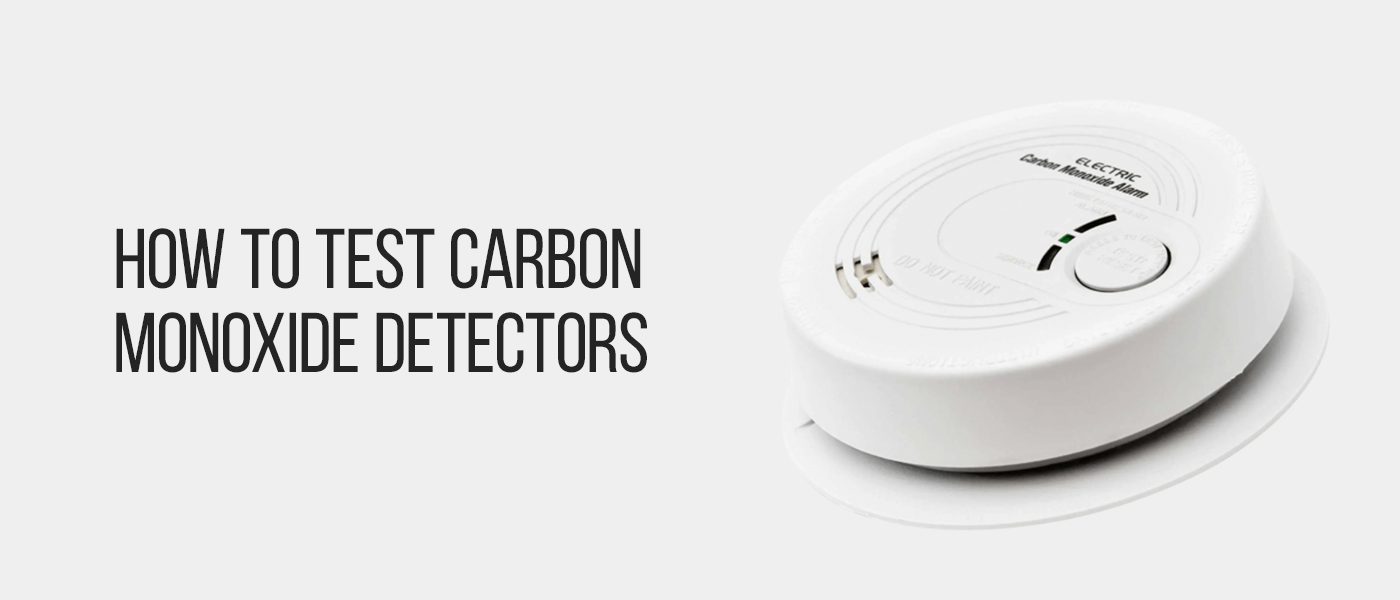
- Battery-operated: Super easy to install, just stick them where you need them. Remember to check those batteries, folks!
- Plug-in: These plug right into a wall outlet and often have a battery backup, which is genius, if you ask me.
- Hardwired: These are connected to your home's electrical system, sometimes even integrated with smoke detectors. Very reliable, but usually installed by an electrician.
Where should you put these lifesavers? General rule of thumb: on every level of your home, especially near sleeping areas. If you have an attached garage, definitely one in the room adjacent to it. And near fuel-burning appliances. Basically, think about where CO might be produced or where you spend a lot of time. Don't cheap out on these, okay? They're literally protecting your ability to binge-watch Netflix in peace.
Professional Checks: Your Appliance's Annual Check-up
Beyond the alarms, another vital "test" for carbon monoxide often comes disguised as routine maintenance. Think about your furnace, your water heater, your gas stove, and even your chimney. These guys are the usual suspects for CO production.
Having a qualified professional (like an HVAC technician, plumber, or chimney sweep) inspect your fuel-burning appliances annually is a brilliant form of proactive testing. They use specialized equipment to check for leaks, blockages, and ensure everything is venting properly. It’s like giving your car a tune-up; you wouldn't skip that, right? Your home appliances deserve the same TLC.

Are There "DIY" Test Kits?
You might stumble upon some color-changing CO indicators or "badges" online. These are typically small patches that change color in the presence of carbon monoxide. While they can indicate CO, they're generally not as reliable or sensitive as an electronic alarm for continuous monitoring in a home. Think of them as a very basic "spot check" rather than a true safety system. For home safety, you really want the alarms that will, you know, scream at you if there's an issue.
What About Symptoms? (This Isn't a Test, It's a Warning!)
I mentioned my "fuzzy head" earlier, and that brings us to symptoms. While not a "test," knowing the signs of CO poisoning is crucial – though, ideally, your alarm will go off long before you feel anything. Symptoms often mimic the flu, food poisoning, or just plain tiredness: headaches, dizziness, nausea, weakness, confusion, and shortness of breath.

If you or anyone in your household starts experiencing these, especially if multiple people feel unwell simultaneously, and you suspect CO, it's time to act immediately. This isn't a "test" for CO; it's your body telling you something is very, very wrong. Get fresh air, get out of the house, and call 911 or your local emergency services. Seriously, don't mess around with this one.
So, What's the Takeaway?
Ultimately, testing for carbon monoxide isn't about some fancy gadget you pull out when you smell something weird (because you won't smell anything!). It's about being proactive. It's about investing in those relatively inexpensive CO alarms and placing them strategically in your home. It’s about being responsible and getting those annual professional checks on your fuel-burning appliances. It’s about protecting your peace of mind and, more importantly, your life.
My fuzzy head incident? It probably was just dehydration. But it was a stark reminder that some dangers are invisible, and it spurred me to double-check my CO detectors. And maybe, just maybe, it’s a nudge for you to do the same. Stay safe out there, folks!