How Can I Tell If I Have Carbon Monoxide Poisoning
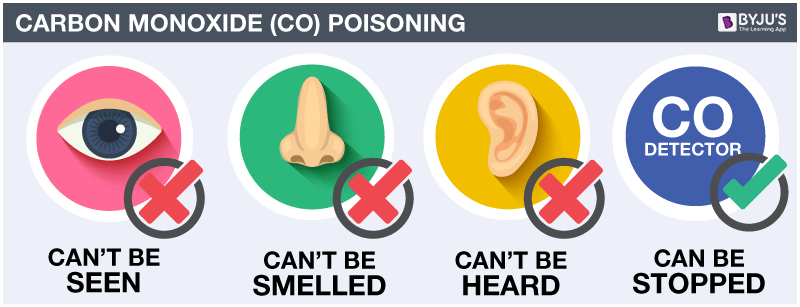
In our modern lives, we often marvel at the wonders of technology and convenience, yet sometimes, the greatest dangers are the ones we cannot see, smell, or taste. One such invisible threat is carbon monoxide (CO), often dubbed the "silent killer." While certainly not something you'd ever want to "try at home" in any sense of the word, understanding the signs of carbon monoxide poisoning is one of the most crucial pieces of knowledge anyone can possess. It’s not about creative expression, but about fundamental self-preservation and protecting those you love.
For everyone – from the meticulous homeowner to the casual apartment dweller, or even the adventurous camper – becoming a “casual learner” about CO poisoning isn't a hobby; it’s a lifesaving skill set. The benefit is profound: it equips you with the power to recognize an emergency before it becomes catastrophic. You become your own first line of defense, a guardian of your personal space. Knowing the symptoms allows for swift action, turning a potentially fatal situation into a manageable one. It's about empowering yourself with awareness, fostering a culture of safety that benefits your entire household.
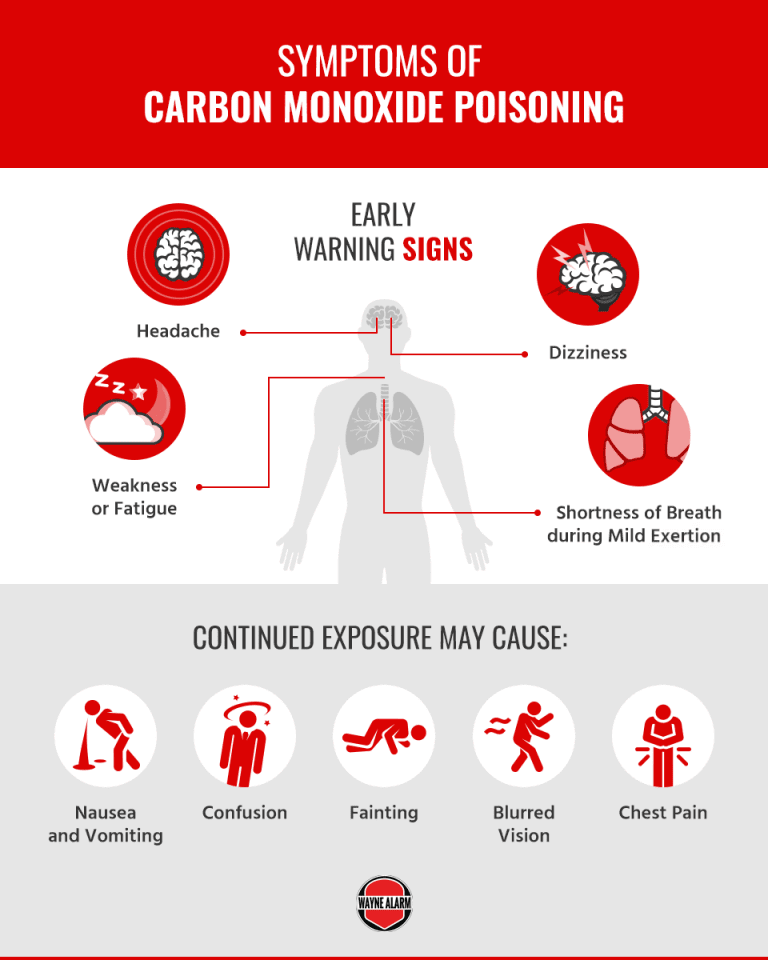
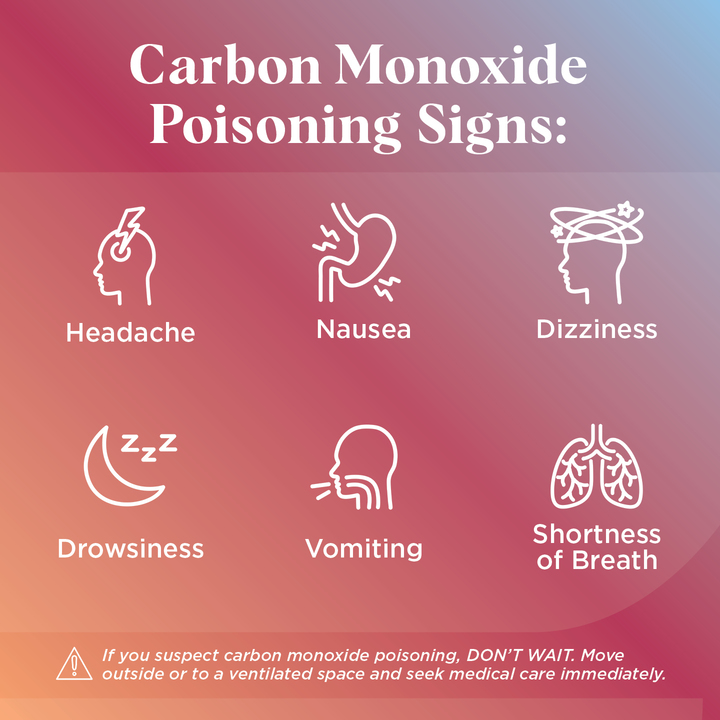
So, how can you tell if you might be experiencing carbon monoxide poisoning? The tricky part is that the symptoms often mimic common ailments, making them easy to dismiss. Think of it like this: your body might be whispering warnings, but you need to understand its language. Common "variations" of symptoms include a persistent dull headache, often described as throbbing. You might also experience dizziness, making you feel lightheaded or unsteady. Other tell-tale signs are nausea and vomiting, feeling like you have a bad stomach bug. Confusion or difficulty concentrating, general weakness, and muscle pain can also arise. In more severe cases, symptoms can escalate to loss of consciousness or even coma. Critically, these symptoms often improve when you leave the affected area and worsen upon returning.
Must Read
Instead of "trying it at home," we offer tips for safeguarding your home. First and foremost, install carbon monoxide detectors on every level of your home, especially near sleeping areas. Test them regularly, just as you would your smoke detectors, and replace batteries annually. Ensure all fuel-burning appliances – furnaces, water heaters, gas stoves, fireplaces – are properly installed and maintained by qualified professionals. Never use generators, charcoal grills, or gas-powered tools indoors or in enclosed spaces, including garages. And if you ever suspect CO poisoning – if you or someone else is experiencing these symptoms – the most important "tip" is to immediately get fresh air, evacuate the premises, and call 911 or your local emergency number.
While the topic is serious, the feeling of security and peace of mind that comes from being well-informed and prepared is truly enjoyable. It's the joy of knowing you’ve taken proactive steps to protect yourself and your loved ones from an insidious threat. Knowledge, in this case, isn't just power; it’s life itself.