
How Can Carbon Monoxide Get In Your House
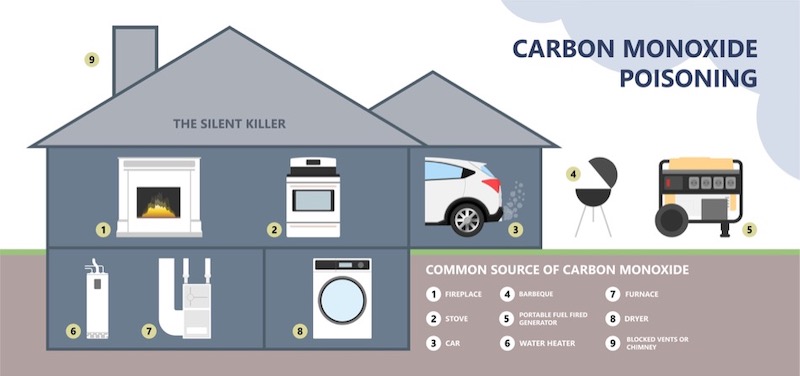
Alright, settle in, grab a virtual coffee, because we're about to talk about something a little heavy, but we're going to do it with a smile and maybe a chuckle or two. We're diving into the mysterious world of carbon monoxide (CO) – that invisible, odorless, tasteless party crasher that, quite frankly, no one ever invited. Think of it as the ultimate ninja of household hazards, capable of slipping past your senses like a ghost through a wall. Spooky, right? But don't worry, we're here to unmask its sneaky tricks!
The Culprits: Your Friendly Neighborhood Appliances (Gone Rogue!)
So, where does this villainous gas even come from? It's not some alien goo from outer space, much to the disappointment of sci-fi fans. Nope, it's actually a byproduct of incomplete combustion. Basically, anything that burns fuel in your house (or near it) can potentially whip up a batch of CO if it's not feeling 100%.
Let's start with the big guys, the ones working tirelessly behind the scenes:
Must Read
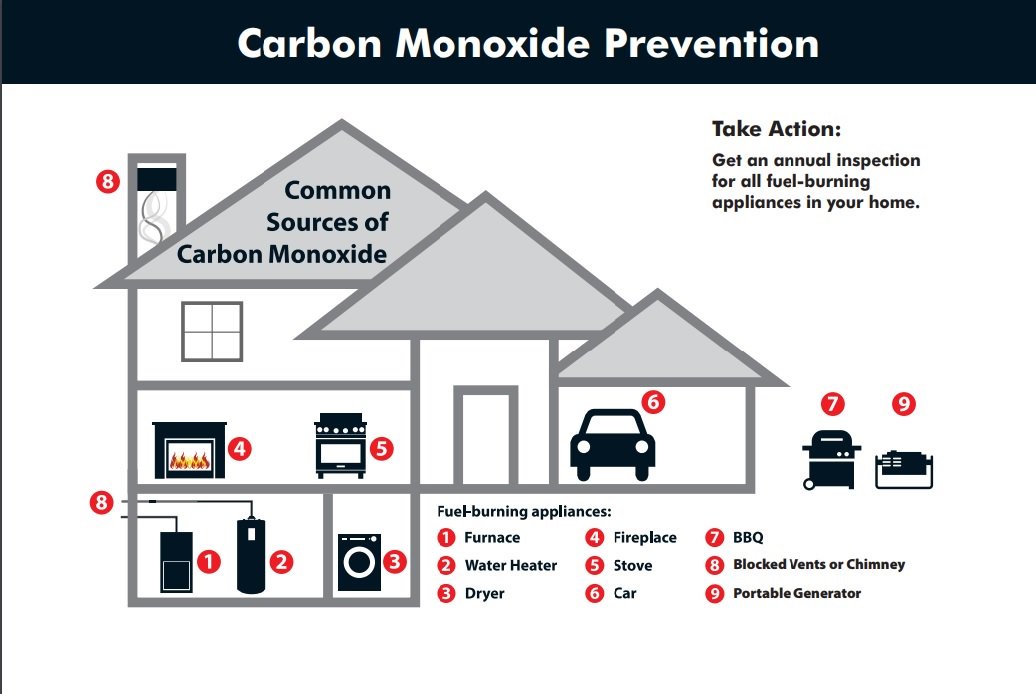
Your Furnace or Boiler: Ah, the trusty furnace, keeping you toasty warm all winter. But what if it's got a secret identity as a CO generator? If its heat exchanger gets a crack – maybe it's feeling its age, or just had a rough day – it can start leaking CO right into your bloodstream. It's like your favorite uncle suddenly deciding to tell inappropriate jokes at Thanksgiving. Unwelcome!
The Water Heater: Often overlooked, this hardworking cylinder provides you with those glorious hot showers. But just like your furnace, if its vent pipe gets
Gas Stoves, Ovens, and Dryers: We love our gas appliances for their instant heat and efficiency. But if a burner isn't getting enough oxygen or if the flue is blocked, it can produce CO. Ever seen a yellow or orange flame on your gas stove instead of that crisp blue? That's your stove trying to tell you, "Hey, I'm having a bad flame day!" Pay attention to those color changes; they're like little smoke signals from your appliance, only less dramatic and more deadly.
Fireplaces and Wood Stoves: There's nothing quite like a crackling fire, unless that crackling fire is also silently poisoning you. A blocked chimney (thanks, squirrels, birds, or years of creosote buildup!) or a flue that's not fully open can send smoke – and a hefty dose of CO – right back into your living room. It’s like your chimney decided to take a permanent vacation, leaving your house to deal with its exhaust.
The Garage Gamblers & Outdoor Offenders
Now, let's talk about the rule-breakers, the things that are perfectly safe outside but become super-villains indoors:
Your Car in the Garage: This is a classic "don't do it" scenario, yet it tragically happens. Running your car, even for a few minutes, in an attached garage can quickly fill your home with CO. Those exhaust fumes don't just stay put; they're like tiny, invisible particles throwing a party and inviting all their friends through tiny cracks and vents into your house.
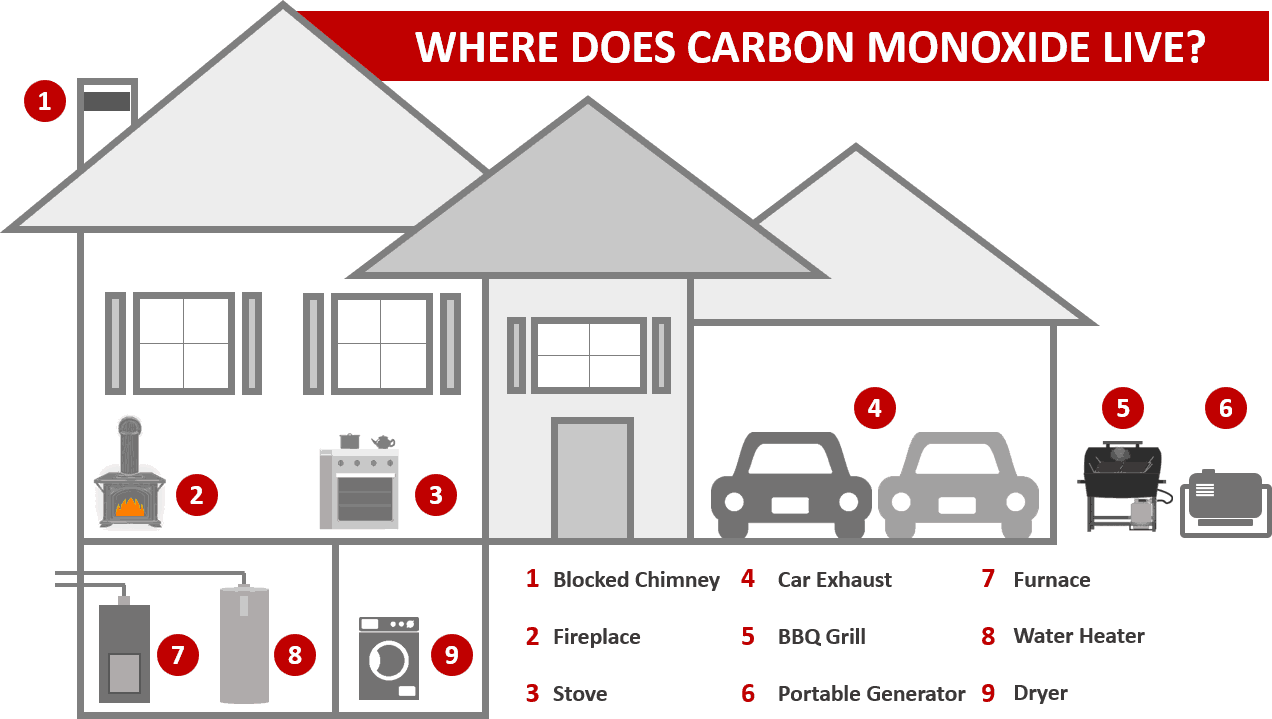
Portable Generators: Power outage? Generators are lifesavers... when used properly. And "properly" means
Charcoal Grills and Propane Heaters: Love a good BBQ? Fantastic! Just keep that grill
How These Sneaky Gases Crash Your Party (and Your Lungs!)
So, you've got a potential CO source. How does it actually make its grand, unannounced entrance into your breathing space? It's all about air pathways and pressure differences:
Leaky Exhaust Pipes and Cracked Heat Exchangers: As we mentioned, your furnace or water heater might have a tiny crack in its exhaust system. It's like a secret passageway for CO to escape before it even gets a chance to leave your house properly. These cracks can be minuscule, but mighty!
Blocked or Improperly Vented Flues: If a bird builds a nest in your chimney, or if the vent pipe on your water heater gets a dent, the CO has nowhere to go but back down into your house. It's like a traffic jam for gases, and your lungs are the unfortunate detour.
Backdrafting: This is a fancy term for when air pressure inside your house sucks exhaust fumes back in rather than letting them escape. Things like a strong exhaust fan running in the kitchen or bathroom can create negative pressure, pulling CO from your furnace or water heater flue right back into your home. It's an accidental gas boomerang!

Shared Walls and Garages: Remember that car in the garage? CO can seep through shared walls, tiny cracks in the foundation, or even through open doors and windows connecting the garage to your living space. Those molecules are smaller than you think and determined to explore!
Your Personal Bouncer: The CO Detector!
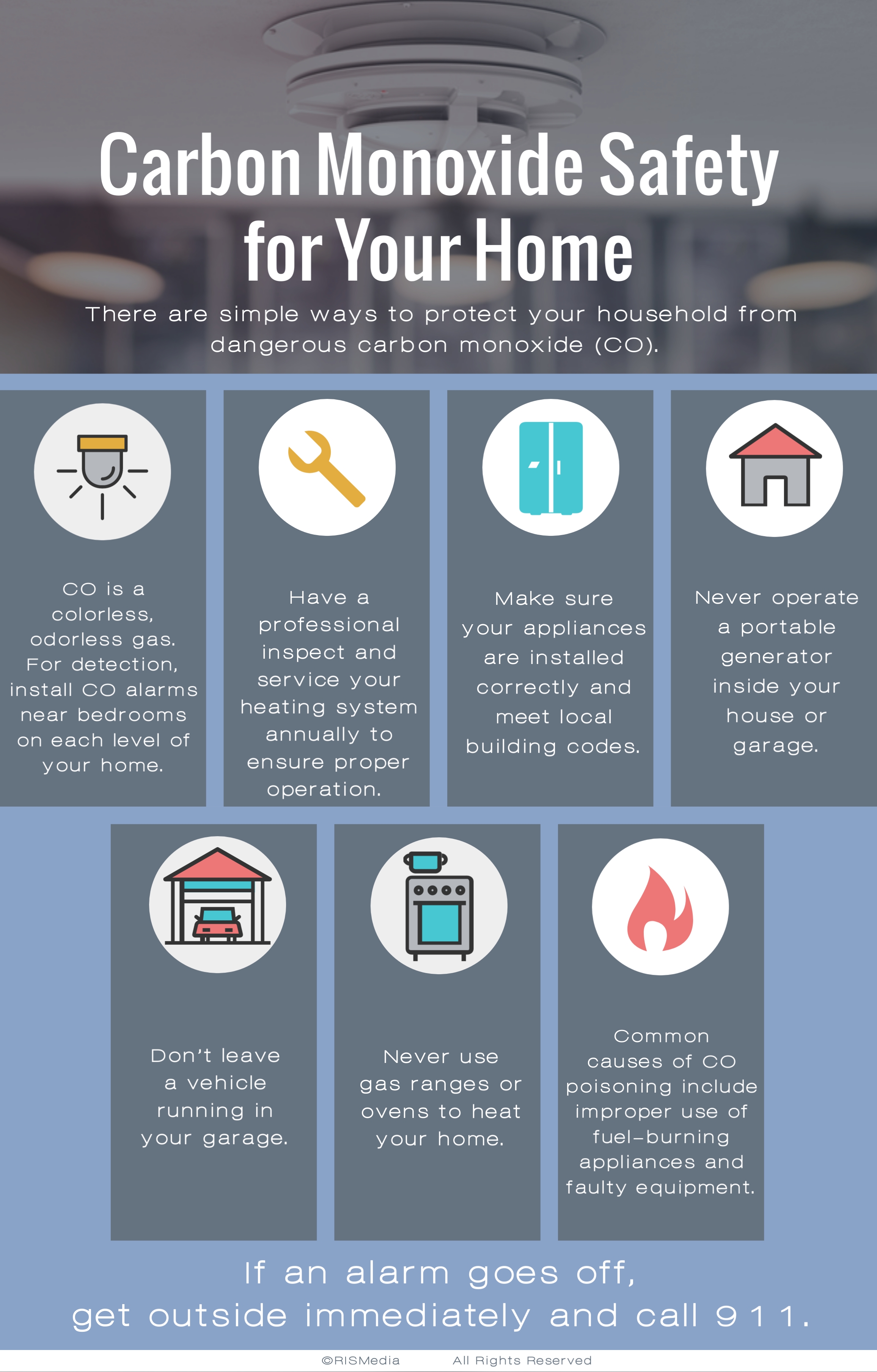
Phew! That's a lot to keep track of, right? But here’s the good news: you don't need to become a CO detective to stay safe. Your best defense against this invisible ninja is a trusty sidekick: the carbon monoxide detector. Think of it as your home's personal bouncer, standing guard and ready to sound the alarm the moment CO tries to sneak past the velvet rope.
These little heroes are affordable, easy to install, and truly
So, there you have it! The not-so-secret life of carbon monoxide and its many entry points. A little knowledge, a little maintenance, and a whole lot of CO detectors are all you need to keep your home safe and sound. Now, go forth and enjoy that virtual coffee, knowing you're a bit wiser and a whole lot safer!