How Can A Car Seat Expire
Ever paused to wonder if that sturdy, dependable car seat, the one cradling your most precious cargo, might actually have an expiration date? It sounds a little strange, doesn't it? We're used to food or medicine having a shelf life, but a car seat? Yet, it's a fascinating and incredibly important facet of child safety that's well worth a curious dive into. Discovering this detail isn't just a trivia point; it's a vital piece of knowledge that ensures our little ones are as safe as can be on every journey.
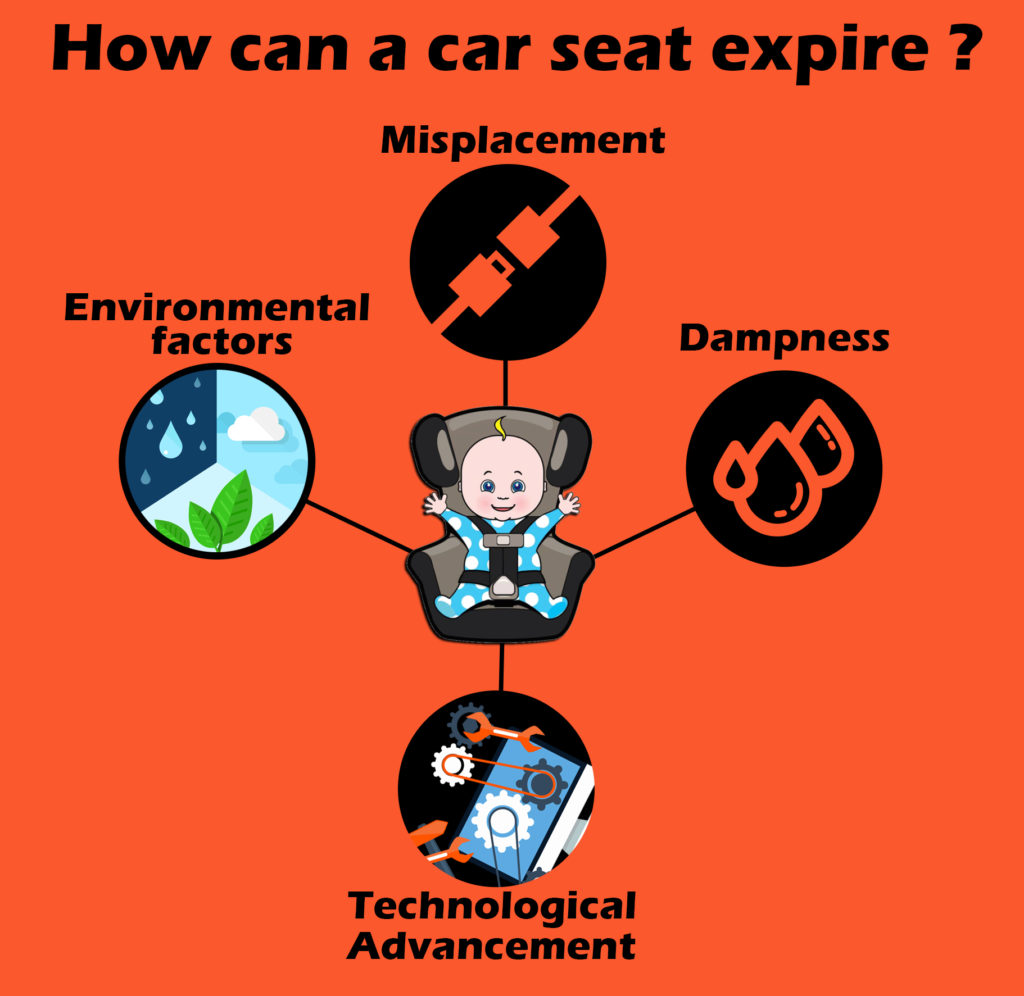
So, why exactly would a car seat "expire"? It’s not about the plastic turning moldy, but rather a host of factors that subtly, yet significantly, compromise its ability to perform optimally in a crash. The primary reason is material degradation. Over time, the plastics and components in a car seat are exposed to extreme temperature fluctuations – scorching summers and freezing winters – as well as constant UV radiation from the sun. This exposure causes the plastic to become brittle and weaken, making it less effective at absorbing impact force during a collision. Furthermore, the harnesses, buckles, and other moving parts experience everyday wear and tear, which can loosen connections or fray webbing, reducing their reliability. Think of it like a superhero's suit – even the strongest materials eventually lose some of their integrity after years of action.
Beyond material science, there are other crucial reasons. Safety standards and technology are constantly evolving. What was considered cutting-edge safety a decade ago might be surpassed by newer, more effective designs today. Manufacturers set expiration dates to ensure that car seats in use incorporate the latest safety innovations and meet current rigorous testing standards. This practice also helps manage potential product recalls; older models might have unresolved issues or simply fall outside the scope of current safety advisories. The benefit of knowing and adhering to these dates is immense: it provides peace of mind, knowing you're using equipment designed to offer the absolute best protection available for your child.
Must Read
This knowledge isn't just for car seat manufacturers; it's highly practical in daily life. For instance, when you’re looking to purchase a used car seat (which is often discouraged for this very reason), checking the expiration date should be your absolute first step. If you're a parent or caregiver, take a moment to find the sticker on your current car seat – usually on the back, side, or bottom – and note both the manufacture and expiration dates. It’s also a fantastic talking point to share with friends and family, subtly spreading awareness about this often-overlooked safety measure. Many communities offer free car seat check events where certified technicians can inspect your seat, including its expiration, offering invaluable peace of mind.
Want to explore this more simply? Grab your child's car seat and embark on a little scavenger hunt! Look for the label that details the manufacturing date and the "Do Not Use After" date. If you can't find it, consult the car seat's instruction manual – it’s a treasure trove of vital information. If your car seat is expired, do not donate or sell it. Instead, dispose of it responsibly: cut the straps, remove the fabric, and dismantle it as much as possible to ensure no one else can use it. Many recycling centers accept old car seats, or you can check with your local waste management. Understanding car seat expiration is a simple, yet profound, act of parental love, ensuring every journey is as safe as possible for our smallest passengers.