How Are Hurricanes And Tropical Storms Named
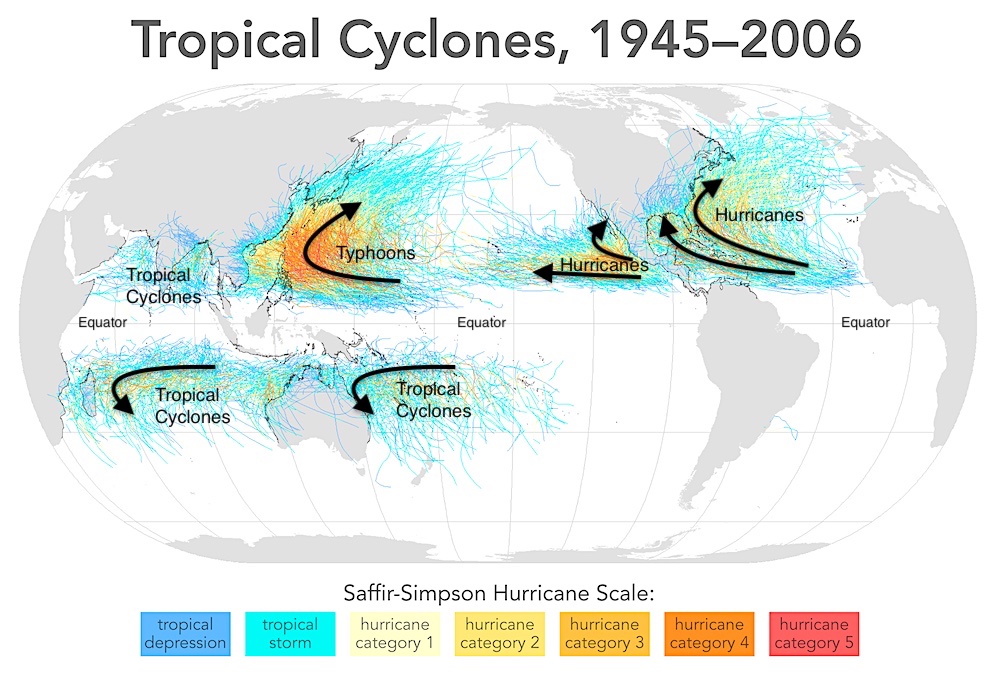
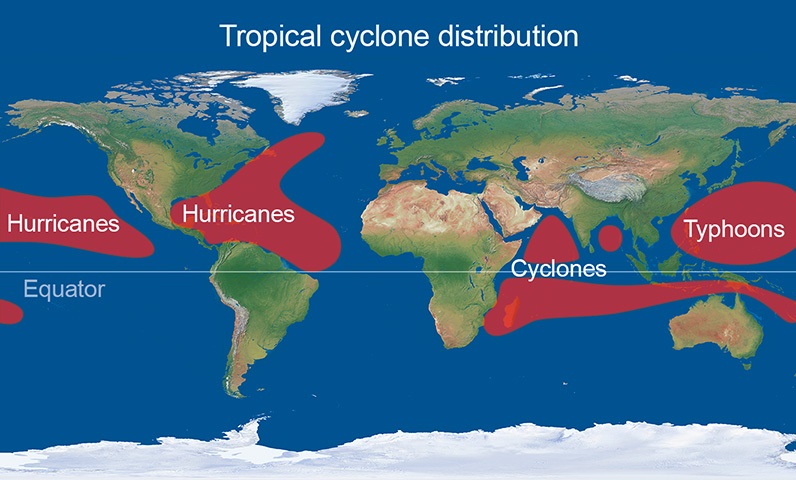
Ever wonder who gets to decide what a hurricane will be called? It's a bit like naming your pet – except a whole lot more official! Naming hurricanes and tropical storms might seem like a quirky detail, but it's actually a crucial part of weather forecasting and public safety. Think about it: would you remember "The big storm of 2024" or "Hurricane Kevin" more easily?
So, why bother with names? For beginners, it's all about clarity. Imagine trying to track multiple storms simultaneously without unique identifiers. For families, especially those living in hurricane-prone areas, knowing a storm's name helps them stay informed and follow specific safety guidelines. For weather enthusiasts, knowing the naming conventions adds another layer of understanding to the complexities of meteorology. In short, a name makes it easier for everyone to communicate about a storm, track its progress, and take necessary precautions.
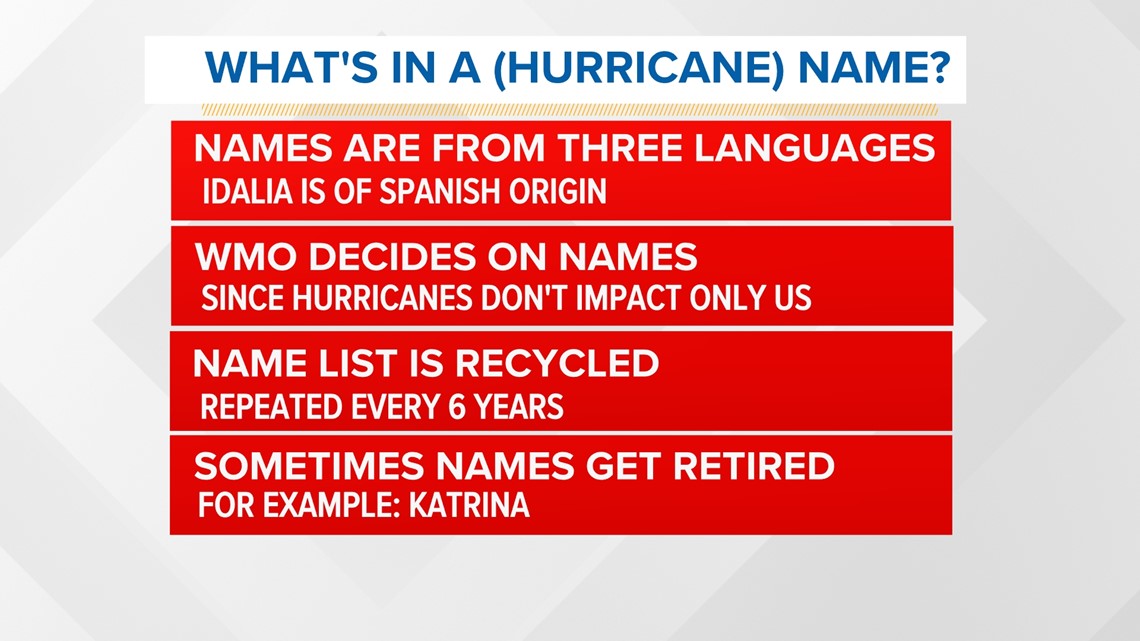
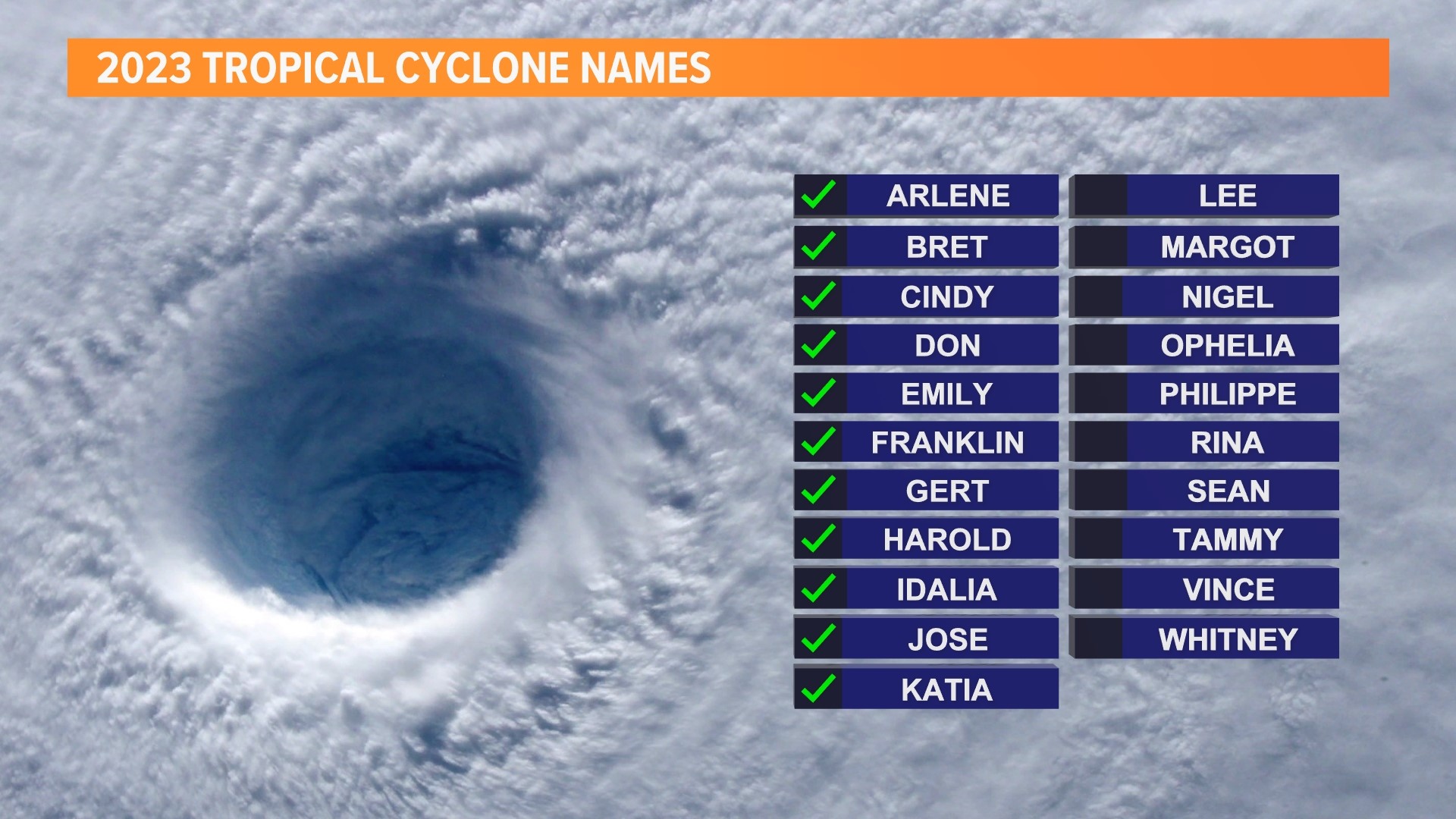
The system works on a series of lists maintained by the World Meteorological Organization (WMO). Each list contains 21 names, alternating between male and female names in English, Spanish, and French. These lists are recycled every six years. That means the names used in 2024 will be used again in 2030, unless, of course, a storm is so devastating that its name is retired out of respect. Think about Hurricane Katrina – that name will never be used again! There are six lists in total that rotate. If a season is particularly active and exhausts all the names on the list, they then start using the Greek alphabet (Alpha, Beta, Gamma, etc.). However, this practice is now discouraged in favor of a supplemental list of names.
Must Read
Examples of names you might hear this year include Alberto, Beryl, Chris, and Debby. See how they alternate and follow an alphabetical order? That's intentional! There are a few variations. For example, certain cultures might have specific naming traditions or regional lists. But the overall goal remains the same: to provide a clear and concise way to identify and track tropical storms and hurricanes.
Want to learn more? Here are a few simple tips to get started:
- Visit the National Hurricane Center website (nhc.noaa.gov). They have a wealth of information on current storms and historical data.
- Follow your local news weather reports. They'll keep you updated on any storms that might be heading your way.
- Look up the current hurricane name list for this year. Knowing the names ahead of time can help you stay informed.
Understanding how hurricanes and tropical storms are named is more than just a fun fact; it's a valuable tool for staying safe and informed. So next time you hear a storm's name on the news, you'll know a little bit more about the system behind it and why it matters. And who knows, maybe you'll even impress your friends with your newfound meteorological knowledge! Stay safe and weather aware!