
How Are All Fire Extinguishers Labeled
Ever walked past a fire extinguisher in a hallway, at the office, or even in your own home, and thought, "What even is that thing?" Or perhaps, "If there was a fire, would I even know which one to grab?" You're not alone! Many of us treat them like glorified, brightly colored decorations. But here's a little secret: those labels on fire extinguishers are like a secret language, and once you know how to read them, you become a mini-firefighting superhero!
Think of it like this: You wouldn't try to fix a leaky faucet with a sledgehammer, right? (Unless you're going for a dramatic demolition, which we don't recommend for plumbing emergencies!) The same goes for fires. Different fires need different solutions, and those handy labels tell you exactly which extinguisher is the right tool for the job. It’s all about being prepared, not paranoid, and having a little chuckle along the way!
Why Should I Even Care? (Because it's kinda fun!)
Okay, maybe "fun" isn't the first word that comes to mind when you think of fire safety. But knowing how to read an extinguisher label is a bit like having a superpower. Imagine you're making popcorn, get distracted by a squirrel outside your window (classic!), and suddenly, smoke is billowing from the microwave. If you know which extinguisher to grab, you're the hero! If you grab the wrong one, well, things could get a lot messier, or even worse. It’s about empowerment, not fear. Plus, you get to impress your friends with your newfound knowledge!
Must Read
So, let's decode this mystery, one friendly letter at a time!
The A, B, C's (and D's and K's!) of Fire
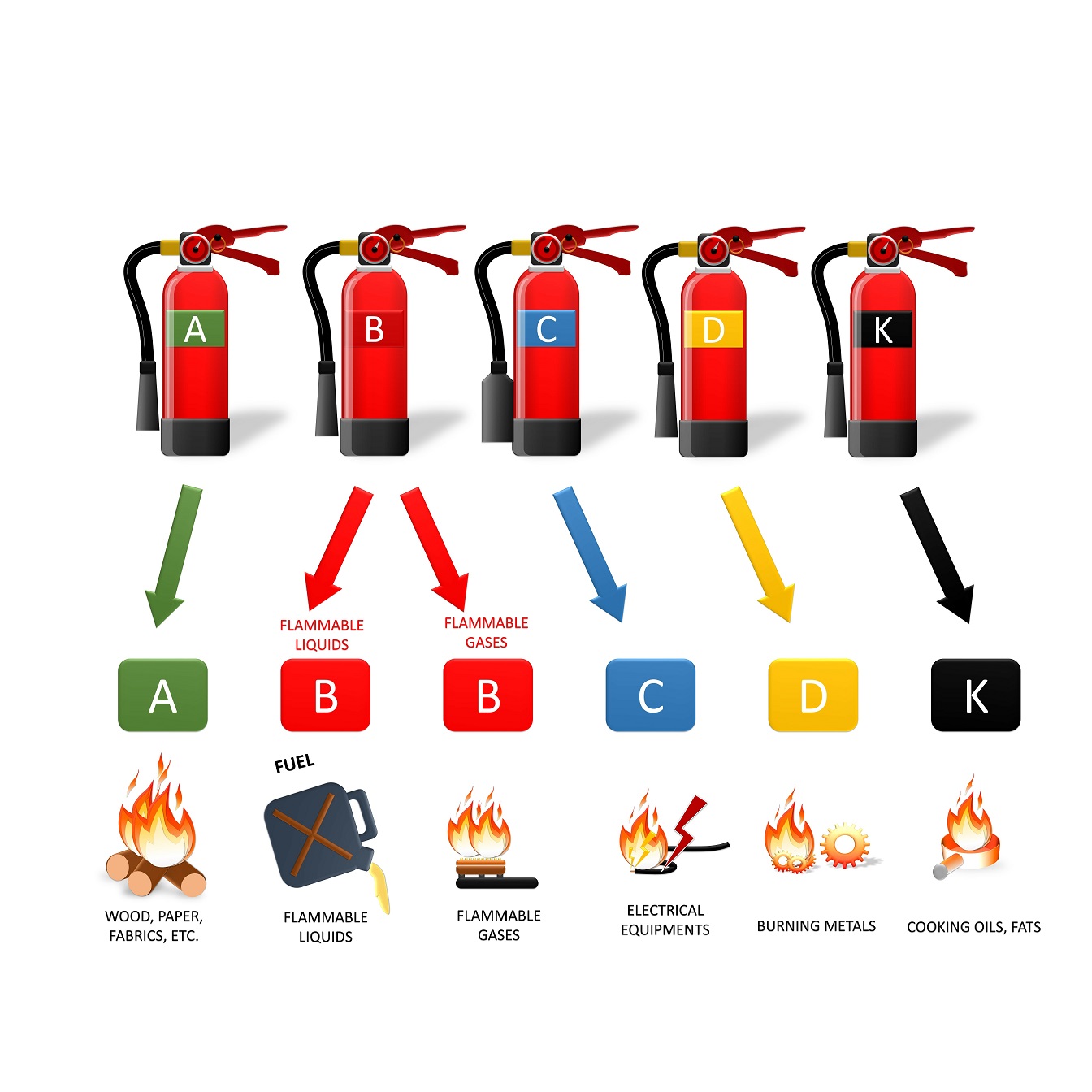
Fire extinguishers are labeled with letters, sometimes pictures, that correspond to different classes of fire. These classes tell you what type of material is burning. Let's meet the gang:
Class A: The "Ash" Fires (Ordinary Combustibles)
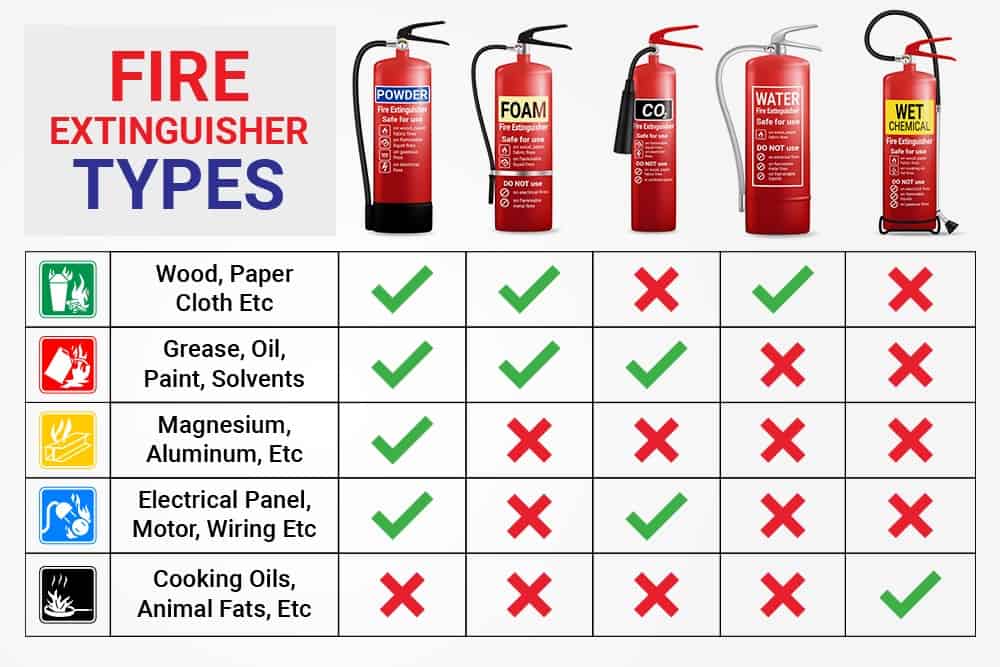
This is your everyday fire. Think of it like a cozy campfire, but one that got a bit too ambitious. Class A fires involve things that leave ash behind: wood, paper, cloth, plastics, rubbish. So, if your overflowing recycling bin decided to spontaneously combust (unlikely, but hey!), you'd be dealing with a Class A.
- Symbol: A green triangle with the letter "A" inside.
- Example: Your favorite comfy armchair, an old stack of newspapers, a cardboard box fort that got a little too real.
Class B: The "Barrel" Fires (Flammable Liquids & Gases)
These fires are fueled by liquids and gases that ignite easily. We're talking gasoline, oil, paint, propane, kerosene, and the like. This is why you never use water on a grease fire – it just spreads the flaming liquid! Imagine a BBQ gone wrong, or a spill in the garage.

- Symbol: A red square with the letter "B" inside.
- Example: A gas can tipping over near a spark, a paint thinner mishap, a small car engine fire.
Class C: The "Current" Fires (Electrical Equipment)
Oh boy, these are the zappy ones! Class C fires involve energized electrical equipment. Think about a sparking toaster, an overloaded power strip, or a computer catching fire. The key here is "energized" – if you can turn off the electricity, it often becomes a Class A or B fire, but while it's live, it's a "C." Using water on this? Absolutely not! You could get a dangerous shock.
- Symbol: A blue circle with the letter "C" inside.
- Example: Your laptop overheating and bursting into flames (hopefully not!), a faulty microwave, wiring problems.
Class D: The "Dangerous Metals" Fires (Combustible Metals)

Now, this one is a bit more niche and you probably won't find these extinguishers chilling in your kitchen. Class D fires involve combustible metals like magnesium, titanium, potassium, and sodium. These usually occur in industrial settings or laboratories. They require very specialized extinguishing agents because they burn incredibly hot and react violently with water.
- Symbol: A yellow star with the letter "D" inside.
- Example: You're unlikely to encounter this unless you're a mad scientist or work in heavy industry!
Class K: The "Kitchen" Fires (Cooking Oils & Fats)
Welcome to the culinary combustion zone! Class K fires are a specialized type of Class B fire, specifically involving cooking oils and fats found in deep fat fryers, woks, and other cooking appliances. These oils burn at extremely high temperatures, and regular extinguishers might not cut it, or worse, could spread the fire. That's why restaurants, and increasingly homes, have Class K extinguishers.
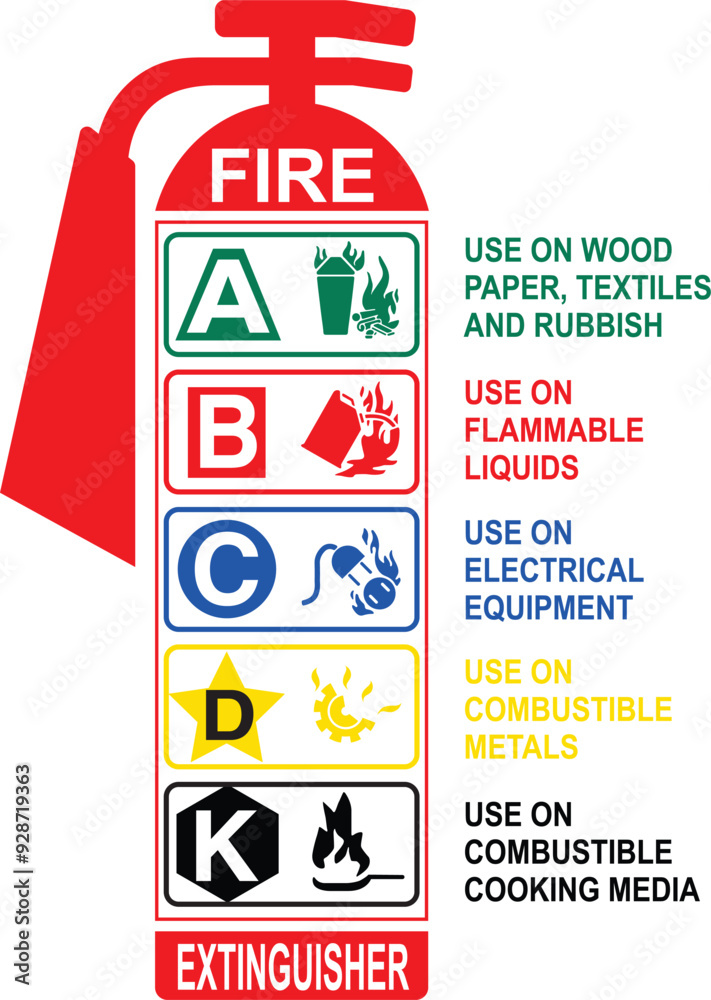
- Symbol: A black hexagon with the letter "K" inside.
- Example: Your deep fryer bubbling over and catching fire, a greasy pan erupting in flames.
Reading the Label: It's Like a Recipe!
Now that you know your A's from your K's, putting it all together is simple! Most fire extinguishers will have one or more letters (or symbols) on their label. For instance:
- An extinguisher labeled "A" is only good for ordinary combustibles.
- One labeled "ABC" is a versatile superstar, capable of tackling ordinary combustibles, flammable liquids/gases, and electrical fires. This is the most common type you'll see in homes and offices, the Swiss Army knife of fire safety!
- You might see "BC" for flammable liquids and electrical fires, often CO2 extinguishers.
- And of course, "K" for those tricky kitchen grease fires.
The symbols are often placed next to the letters, making it even easier to identify at a glance. Sometimes, there will also be a picture of what it can put out, and sometimes even a picture of what it cannot put out (with a red slash through it), just to be extra clear!
Your Fun, Final Takeaway!
So, next time you stroll past a fire extinguisher, instead of ignoring it, give it a quick, knowing glance. See those letters? Now you know their secret! Knowing what those labels mean isn't just about avoiding a catastrophe; it’s about feeling a little more in control, a little more confident, and ready to be a hero if the moment ever calls for it.
It’s a tiny bit of knowledge that can make a huge difference. Go forth and conquer, fire safety ninjas! Stay safe, stay curious, and maybe share this fun fact with a friend!