Honeywell Smoke Carbon Monoxide Detector
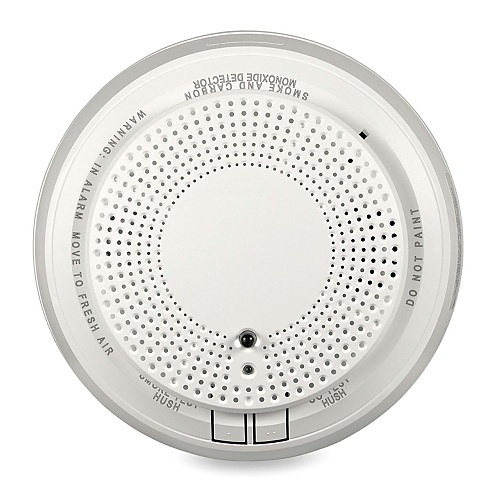
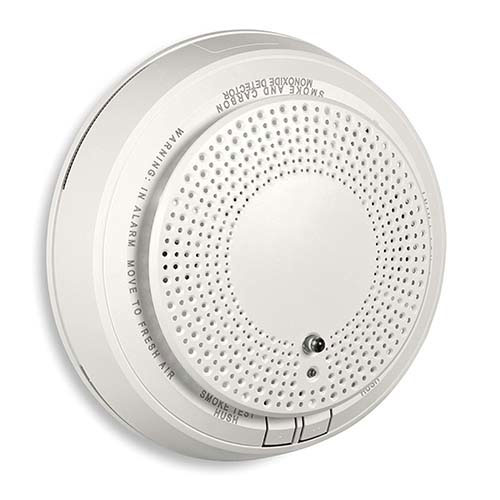
Ever stop to think about the quiet guardians in our homes? You know, those unassuming discs on our ceilings and walls that we often take for granted. Today, let's pull back the curtain on one of the most vital unsung heroes of modern living: the Honeywell Smoke Carbon Monoxide Detector. It might not sound like the most thrilling gadget, but understanding what these devices do, and how they protect us, is actually incredibly fascinating and, more importantly, empowering. It’s about more than just a loud beep; it’s about the science of safety, wrapped in a simple package.
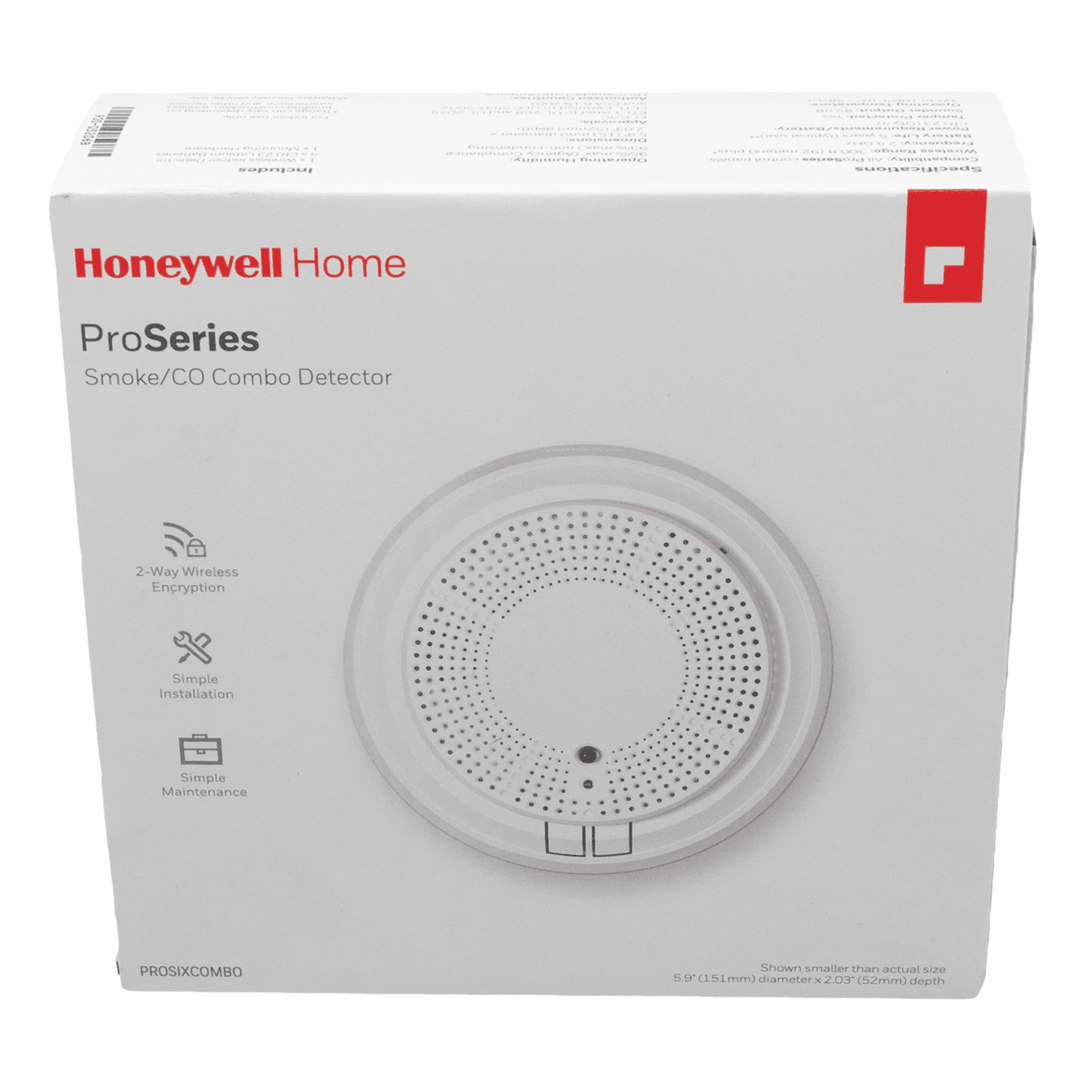
At its core, the purpose of a Honeywell detector is elegantly simple yet profoundly critical: to provide an early warning. It’s designed to sniff out two incredibly dangerous threats that often give no visible or olfactory cues: smoke from a fire and carbon monoxide (CO) gas. Smoke, while often visible, can spread rapidly, and early detection gives precious extra seconds to escape. Carbon monoxide, however, is the real silent killer—it’s colorless, odorless, and tasteless, making a dedicated detector absolutely indispensable. The benefits are immeasurable: these devices literally save lives and protect property by alerting you before a situation becomes catastrophic. Honeywell, a long-standing name in home safety, brings decades of reliability and advanced sensor technology to ensure those warnings are timely and accurate, giving you invaluable peace of mind.
These detectors play a crucial role in countless scenarios, from our daily lives to educational contexts. In our homes, they are often placed strategically on every level, especially near sleeping areas and in basements where furnaces, water heaters, or other fuel-burning appliances reside. Think of college dorms, bustling apartment buildings, or even cozy cabins—wherever people sleep or gather, these detectors are diligently at work. Beyond just personal safety, they offer fantastic learning opportunities. Imagine a high school science class discussing the chemical reactions involved in combustion, or how electrochemical sensors detect CO. In home economics or general safety classes, the importance of these detectors can be a central theme, teaching students about fire prevention, the dangers of CO poisoning, and how to create an effective home escape plan. They're not just gadgets; they're practical lessons in survival.
Must Read
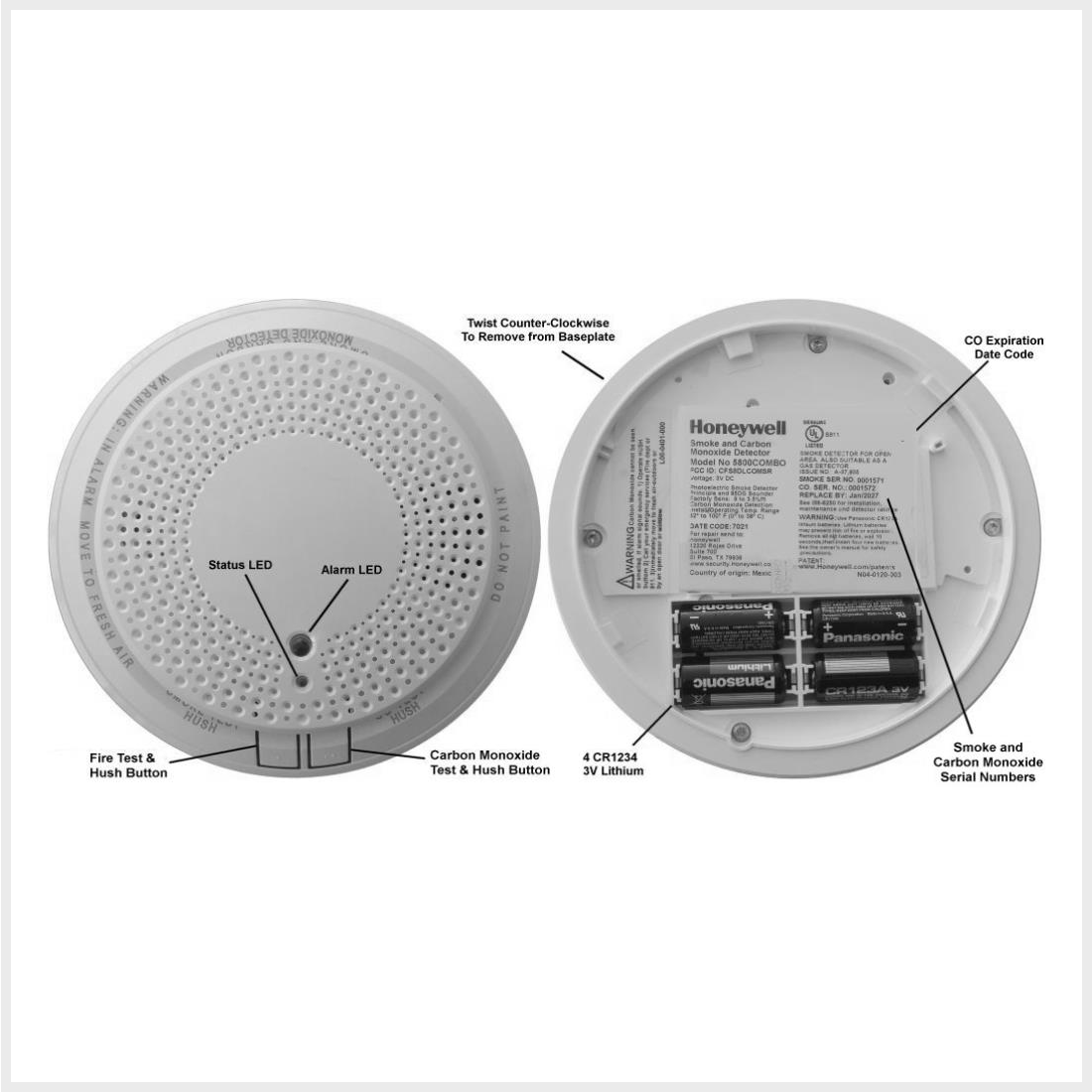
Want to explore this everyday marvel further? Here are a few simple tips. First, find your own detectors! Take a moment to locate them in your home or workplace. Does it have a digital display for CO levels? Press the test button—you’ll hear what the alarm sounds like, which is vital for familiarizing yourself with it. Most modern detectors have a different alert pattern for smoke versus CO, sometimes even with voice alerts. Check the installation date; many units, especially those with sealed batteries, need to be replaced every 7-10 years. Dust them periodically to keep the sensors clear. You could even research the different types of smoke sensors (ionization vs. photoelectric) or delve into smart home integration features that allow detectors to communicate with your phone or other devices. Engaging with this simple piece of technology offers a deeper understanding of the critical role it plays in keeping us all safe and sound.