
Here You Are Down On Your Knees Again

Hey everyone! Ever find yourself... well, down on your knees? Not necessarily in a melodramatic, movie-scene kinda way, but just... physically there? Think about it. We do it more than we realize, right?
It got me thinking: Why are we sometimes found kneeling? And what's so interesting about this humble posture? Let's dive in! No judgments here, just curiosity.
The Practical Kneel
Okay, let's start with the obvious. Sometimes, we're kneeling for purely practical reasons. Imagine you're gardening. Bending over all day would wreck your back! Kneeling lets you get close to the earth, tending to your plants, without completely destroying your spine. It's the gardener's secret weapon, a mobile, cushioned perch close to the action.
Must Read
And what about cleaning? That stubborn stain on the floor isn't going anywhere unless you get down and dirty – literally. Kneeling allows you to apply the elbow grease, to really get in there and conquer that grime. Think of it as a warrior's stance against the forces of dirt! Are we not entertained?
Then there's playing with kids or pets. Getting down on their level allows for better eye contact, fosters connection, and honestly, it's just plain fun! Ever tried playing peek-a-boo while standing tall? Doesn't quite have the same impact, does it? It's all about shared perspective.
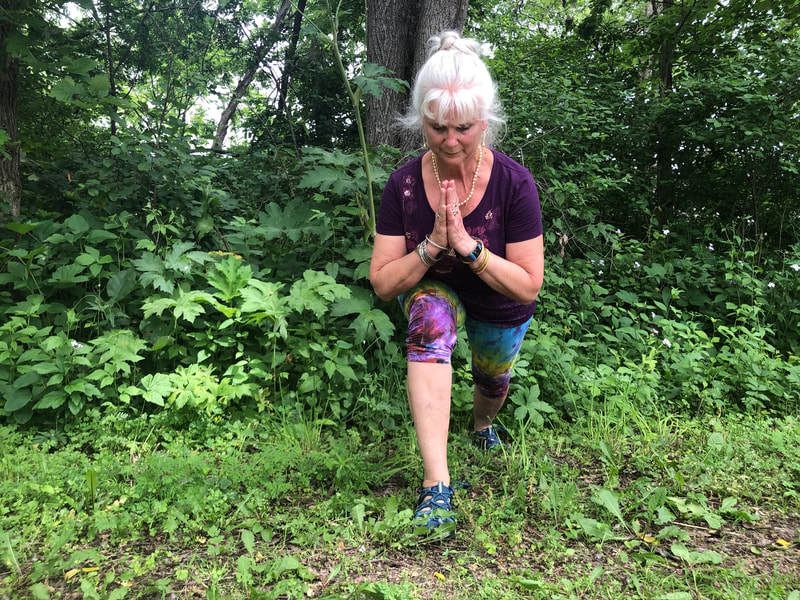
The Reverential Kneel
But kneeling goes way beyond practicality. For centuries, kneeling has been a sign of respect, submission, or reverence. Think of knights kneeling before a king or queen. It's a powerful visual symbol, isn't it?
In many religious traditions, kneeling is a common posture for prayer or worship. It signifies humility, acknowledging a higher power. It's a way to physically express a feeling of awe and devotion. Ever felt that profound sense of peace while kneeling in a quiet space? It's pretty powerful stuff.
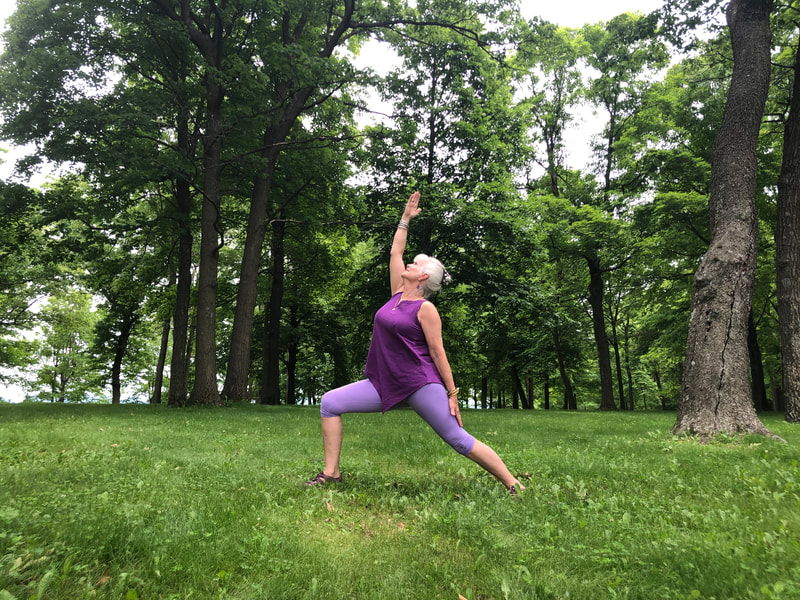
Is it about literally being lower than something/someone? Is it a gesture of vulnerability? Maybe it’s both. It's about connecting to something bigger than yourself, a feeling of being grounded and humbled simultaneously. Like plugging into a universal outlet, if that makes sense.
The "Taking a Knee" Kneel
Of course, kneeling can also be a powerful form of protest. "Taking a knee" during the national anthem has become a symbol of solidarity with the fight against racial injustice. It's a silent, yet incredibly impactful, way to draw attention to important issues.
It’s a visual disruption. A break from the norm. It makes people stop and think – or, more likely, stop and react. The very act of kneeling in that context changes the conversation. Pretty fascinating, right?

The "Uh Oh, I Dropped Something" Kneel
Let's be real. Sometimes we're kneeling because... well, we dropped something. A contact lens, a crucial screw for that IKEA furniture, maybe even our phone (don't lie, we've all been there!). This is the "frantic search" kneel. The "please-don't-let-it-be-gone-forever" kneel. The "I-swear-I'll-clean-under-the-couch-later" kneel.
Why is Kneeling Interesting?
So, what makes kneeling so interesting? I think it's the contrast. It's a vulnerable position, yet it can be a position of strength. It can be about humility or protest, practicality or reverence. It’s a physical act that carries a ton of potential meaning.

It's also a reminder that we're physical beings. We interact with the world through our bodies, and even something as simple as kneeling can be a powerful expression of our emotions, beliefs, and intentions.
Think about the next time you find yourself down on your knees. What's the reason? What does it feel like? Is it purely functional? Or is there something more to it? Just a little food for thought!
Maybe we should all try kneeling a little more often, not just when we have to, but intentionally. Maybe it could teach us something about ourselves, about our relationship to the world around us, and about the power of a simple, yet profound, human posture. Food for thought, right?