Has Properties Of Both Metals And Nonmetals
Hey there, science enthusiasts! Ever heard of something that's kind of… in between? Like a spork – is it a spoon, is it a fork? Well, in the world of chemistry, we have elements that are sort of like metals and sort of like nonmetals. They're called metalloids, and they're way cooler than you might think.
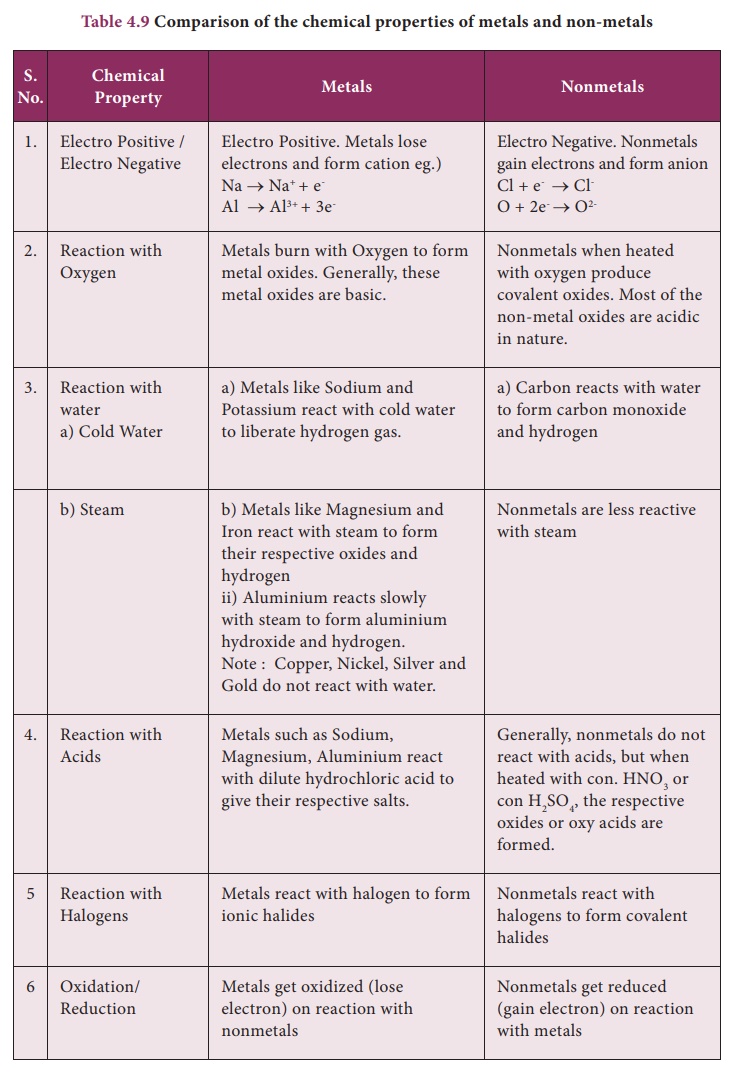
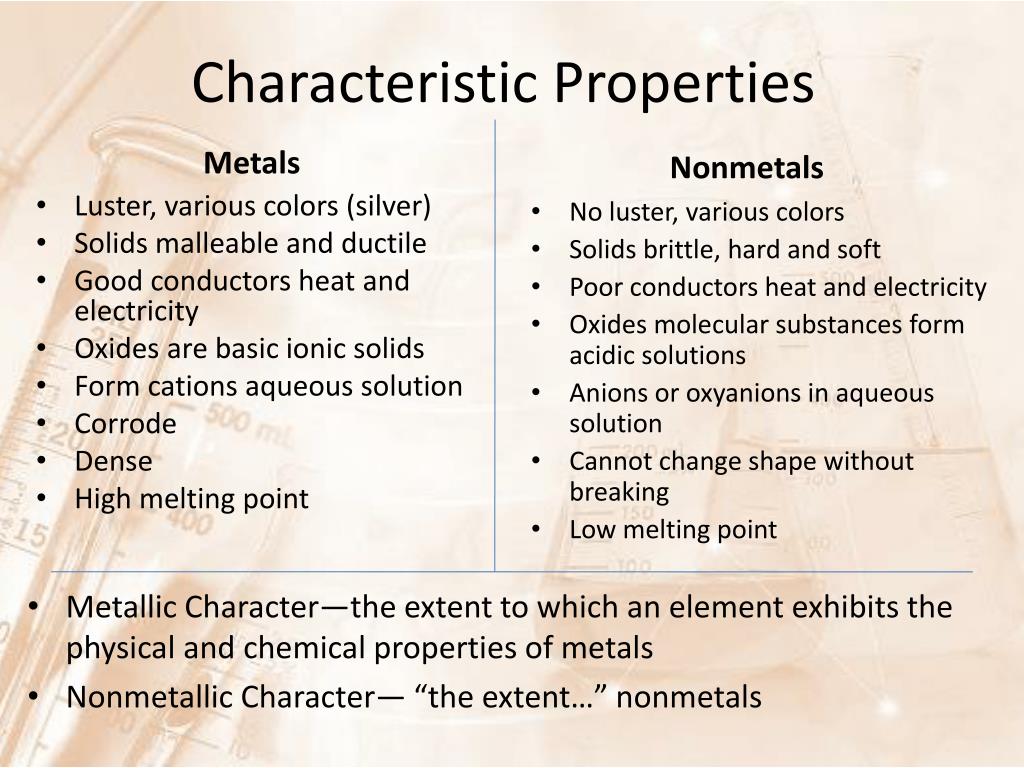
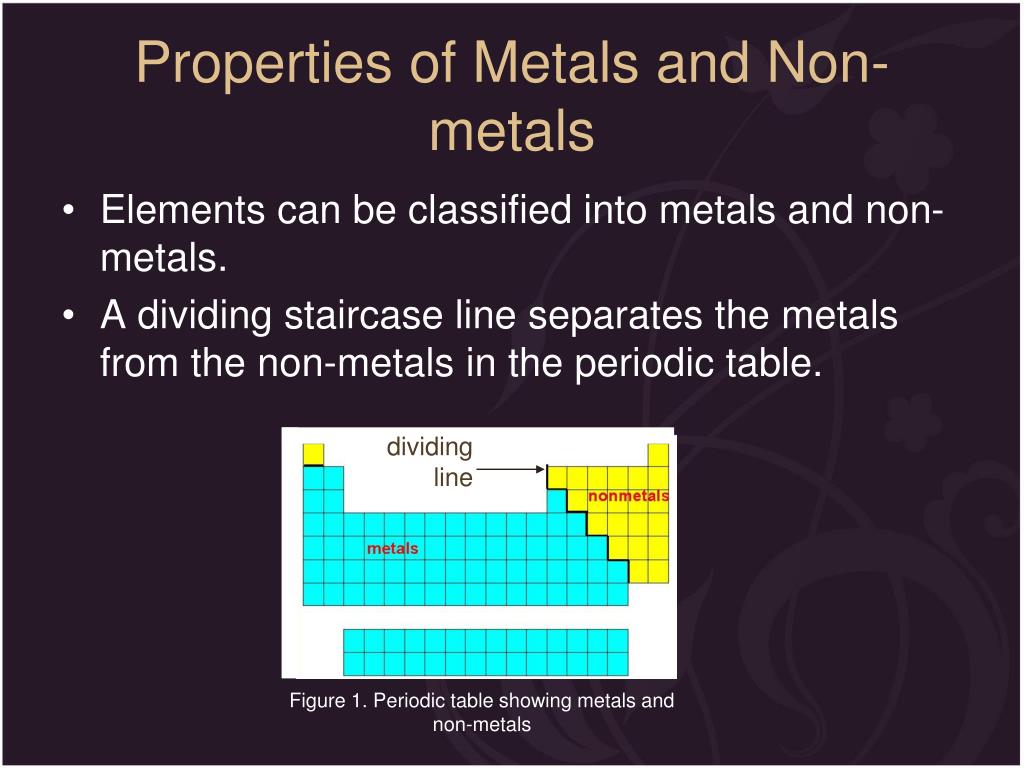
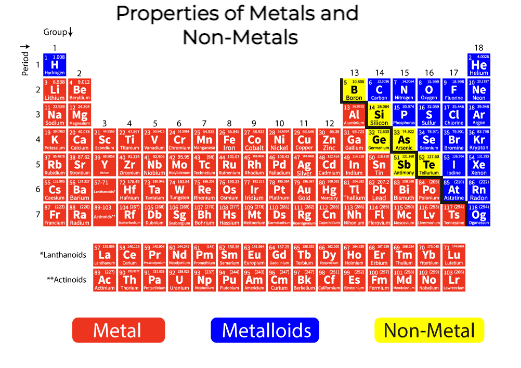
So, what exactly are we talking about? Think of the periodic table. You've got your shiny metals on the left, your colorful (sometimes stinky!) nonmetals on the right, and right smack in the middle, along a zigzag line, sits our motley crew of metalloids. These guys aren't totally metal, and they aren't totally nonmetal. They're… well, they're unique!
What Makes Them Special?
The defining characteristic of metalloids is that they possess properties of both metals and nonmetals. It’s like they can’t quite make up their minds! But this indecisiveness is what makes them incredibly valuable. It's all about conductivity. Metals are great conductors of electricity, right? Nonmetals are generally insulators, meaning they block electricity. Metalloids? They're semiconductors.
Must Read
Semiconductors? What does that even mean? Imagine a dimmer switch on a light. You can control how much light comes out, right? Metalloids, in a way, do the same thing with electricity. They can conduct electricity, but not as well as metals. And you can tweak them to control how well they conduct! Pretty neat, huh?
Think of it like this: metals are like a wide-open highway for electrons, electrons can zoom through no problem. Nonmetals are like a brick wall, no electron is getting through. Metalloids are like a dirt road; electrons can travel, but it's a bit bumpy and slower. And sometimes you can make that dirt road smoother, or add a few potholes!
Meet the Stars: Some Metalloid Superstars
Okay, let's put some names to these intriguing elements. Here are a few of the rock stars of the metalloid world:
- Silicon (Si): This is the BIG one. Silicon is the backbone of the entire computer industry. Your phone, your laptop, your smart toaster? All powered by silicon semiconductors. It's purified from sand and used in integrated circuits (aka microchips). Without it, we'd still be using typewriters!
- Germanium (Ge): Before silicon, germanium was the go-to semiconductor. It’s still used in some applications, particularly in specialized electronics.
- Arsenic (As): Okay, arsenic has a bit of a bad rep (think old detective novels). But it has some important uses in alloys and semiconductors. It’s used to enhance the conductivity of silicon in certain applications. Just don’t go eating it!
- Antimony (Sb): Antimony is used in flame retardants, which help to prevent fires from spreading quickly. It’s also found in some alloys, making them harder and more durable.
- Boron (B): Boron is incredibly hard and is used in things like heat-resistant glass and high-strength alloys. You can also find it in laundry detergents!
- Tellurium (Te): Tellurium can improve the machinability of metals and is used in some solar panels.
Why Are They So Important?
So, why should you care about these semi-metallic wonders? Well, consider the world around you. How much of it relies on electronics? Our reliance on technology is growing exponentially, and that technology relies heavily on semiconductors made from metalloids. Imagine a world without computers, smartphones, or even reliable medical equipment. Pretty bleak, right? Metalloids are essential for modern society, shaping the future in countless ways.

Think about renewable energy, too. Solar panels rely on semiconductors to convert sunlight into electricity. As we move towards a more sustainable future, metalloids will play an even more crucial role in developing clean energy technologies.
The unique properties of metalloids, their ability to conduct electricity under certain conditions, and to be tweaked and adjusted, has paved the way for technological revolutions we couldn't have imagined before. So, the next time you use your phone, take a moment to appreciate the humble metalloids that make it all possible.
They’re not quite metal, not quite nonmetal, but perfectly unique, and undeniably essential. Who knew being indecisive could be so powerful?