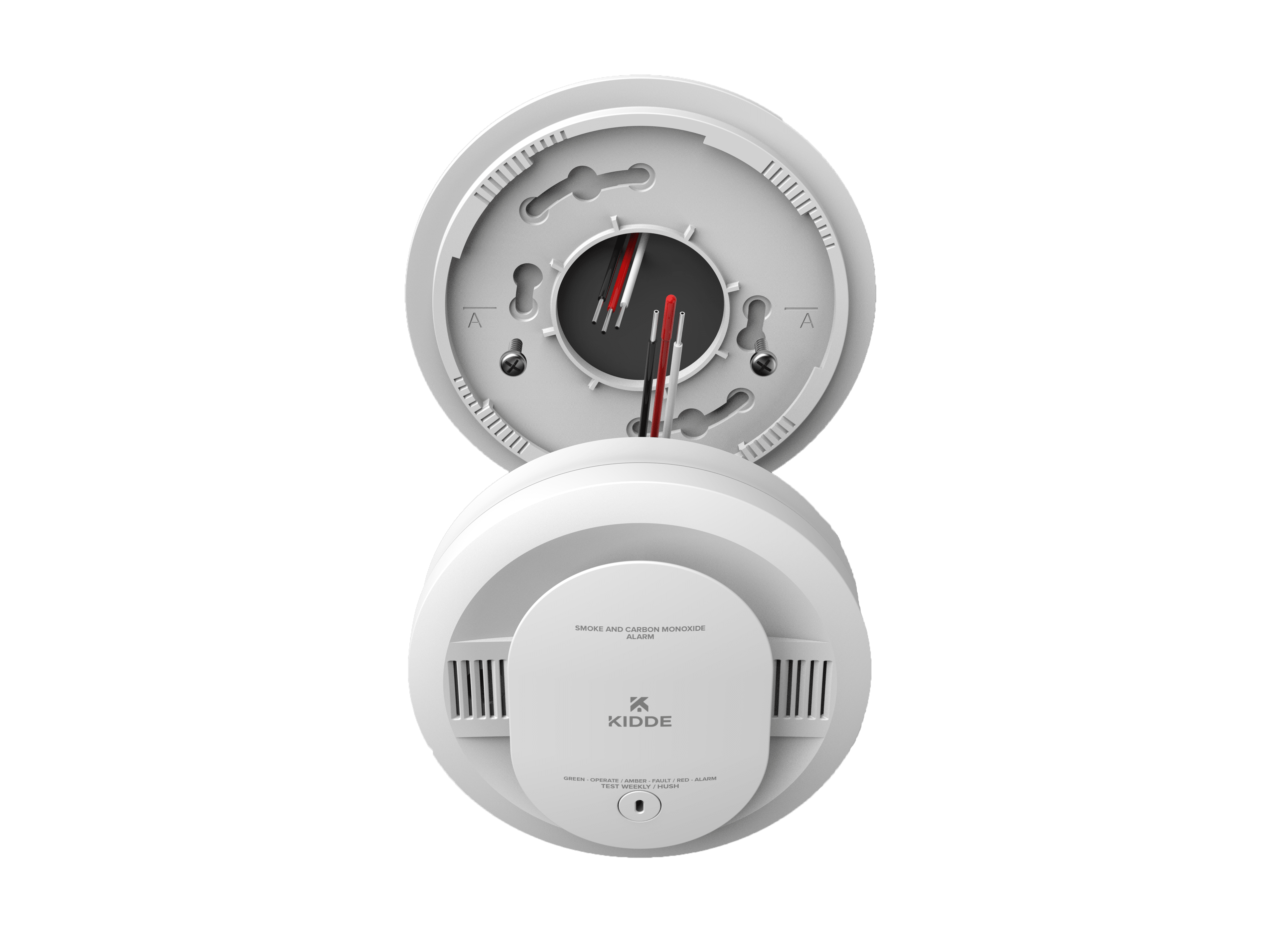
Hardwired Smoke Detector Backup Battery
Hey there, safety superstar! Let's chat about something super important, but often overlooked: the little battery that packs a mighty punch in your hardwired smoke detector. No, it's not a secret agent, but it definitely saves the day!
The Mighty Mini-Hero: Why Even Hardwired Needs Backup
So, you've got those fancy, hardwired smoke detectors, right? The ones connected directly to your home's electrical system? That's awesome! They're super reliable because they're always getting juice from your house. But here's the thing: electricity, bless its heart, can be a bit... temperamental.
Picture this: a wild thunderstorm rolls through, or a rogue squirrel decides to gnaw on a power line (it happens!), and poof! The lights go out. Suddenly, your hardwired detectors are like, "Uh oh, what now?"
Must Read
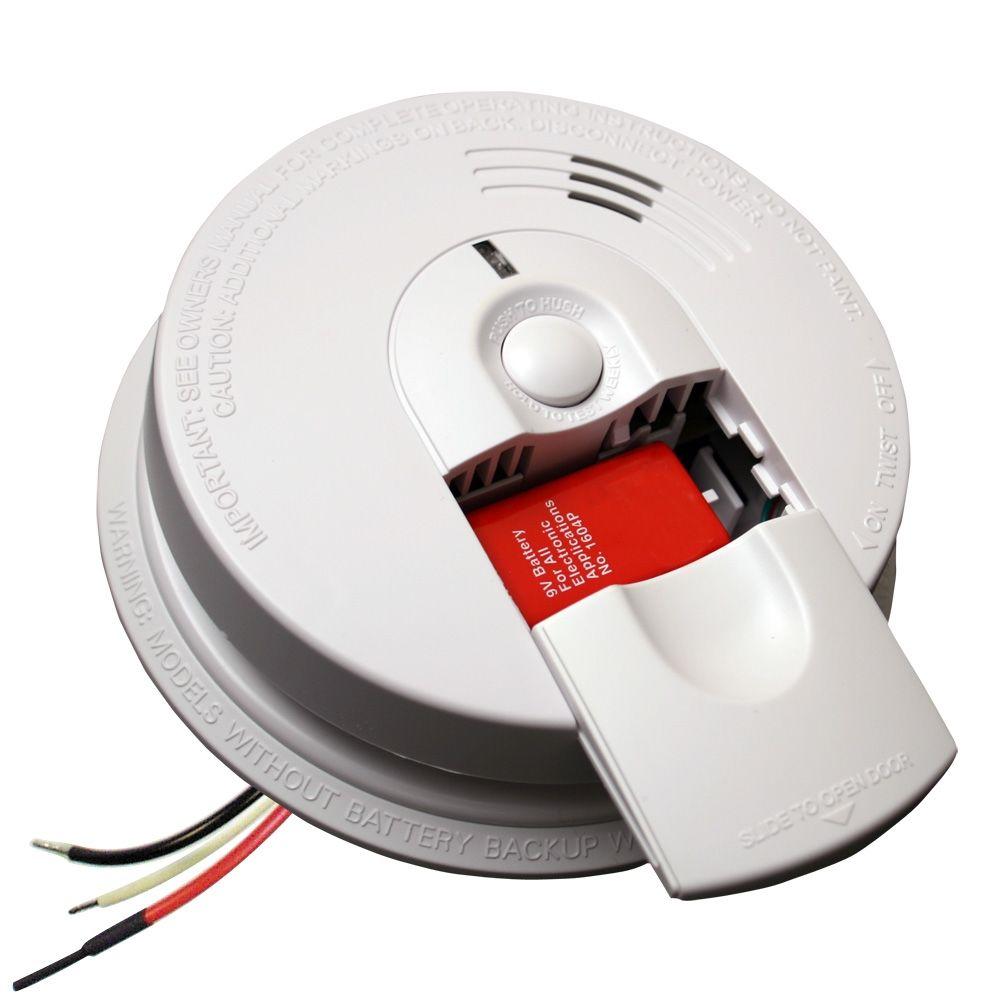
That's where our little hero, the backup battery, swoops in! It's like the emergency generator for your smoke detector. When the main power goes out, the backup battery kicks in faster than you can say "fire safety," ensuring your detector is still on duty, ready to warn you if something's amiss. Think of it as your smoke detector's personal power bank!
What Kind of Juice Does It Need?
Most hardwired smoke detectors traditionally use a humble 9-volt battery. You know, the rectangular one with two little nubs. But hey, technology marches on, and some newer models might use AA or even AAA batteries. So, before you grab a random battery from your junk drawer, it's a good idea to check your specific model's manual. You don't want to try to cram a D battery where a 9V should be – that's just a recipe for frustration (and possibly a very confused smoke detector).
The Dreaded Chirp: Your Detector's Cry for Help
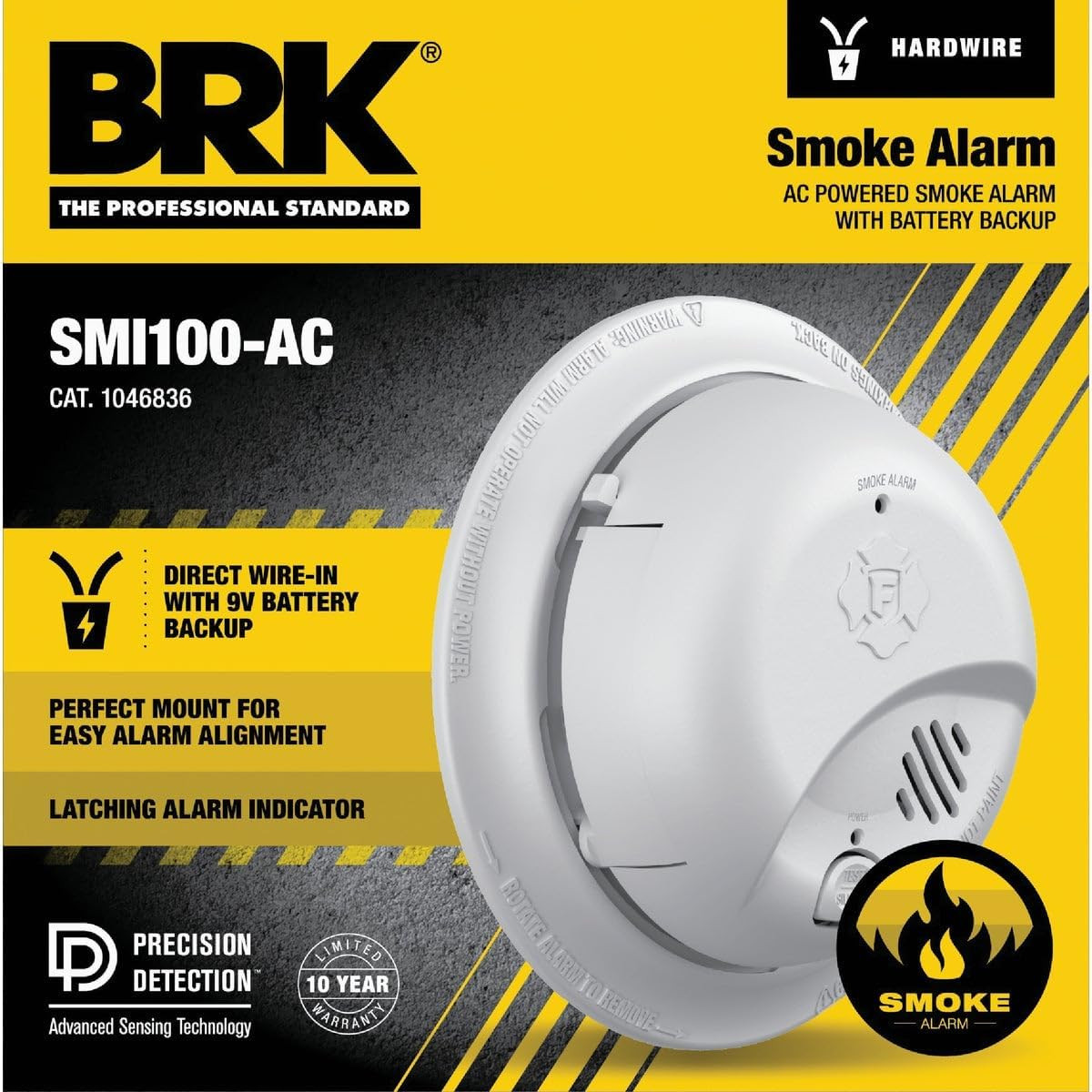
Okay, let's talk about that infamous sound: the single, persistent, soul-gnawing chirp. It usually happens in the dead of night, doesn't it? When you're trying to get some precious sleep?
That chirp isn't your detector plotting against your REM cycle. It's actually a vital warning! It's your smoke detector politely (or sometimes not-so-politely) telling you, "Hey, my backup battery is on its last leg! Time for a change, buddy!"
Don't just silence it and forget it! That chirp means action is required. If the power goes out and that backup battery is dead, your detector is effectively taking a nap – and that's not good for anyone.
When to Play Battery Swapper?
The golden rule? Change your backup battery at least once a year! Even if it hasn't started chirping yet. Think of it like changing the oil in your car – preventative maintenance is key.
Many folks tie it to a memorable annual event. Daylight Saving Time (spring forward, fall back – change the battery!), your birthday, New Year's Day, or even that one really awkward family reunion you never forget. Pick a day, mark it on your calendar, and make it a habit. Your future self (and your ears, spared from that chirp) will thank you.
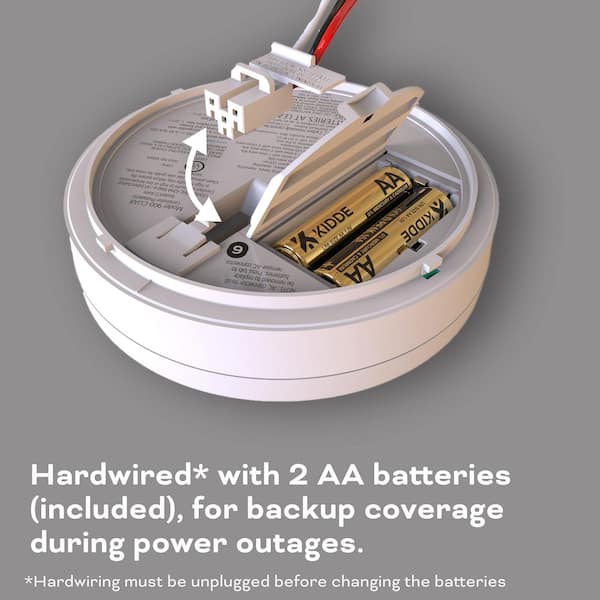
How to Be a Battery-Changing Ninja
Ready to level up your DIY skills? Changing a smoke detector battery is surprisingly simple:
- Safety First (and a friend if you're feeling fancy): Grab a sturdy step stool or ladder. Tell someone you're about to climb, just in case you pull off an Olympic-level dismount.
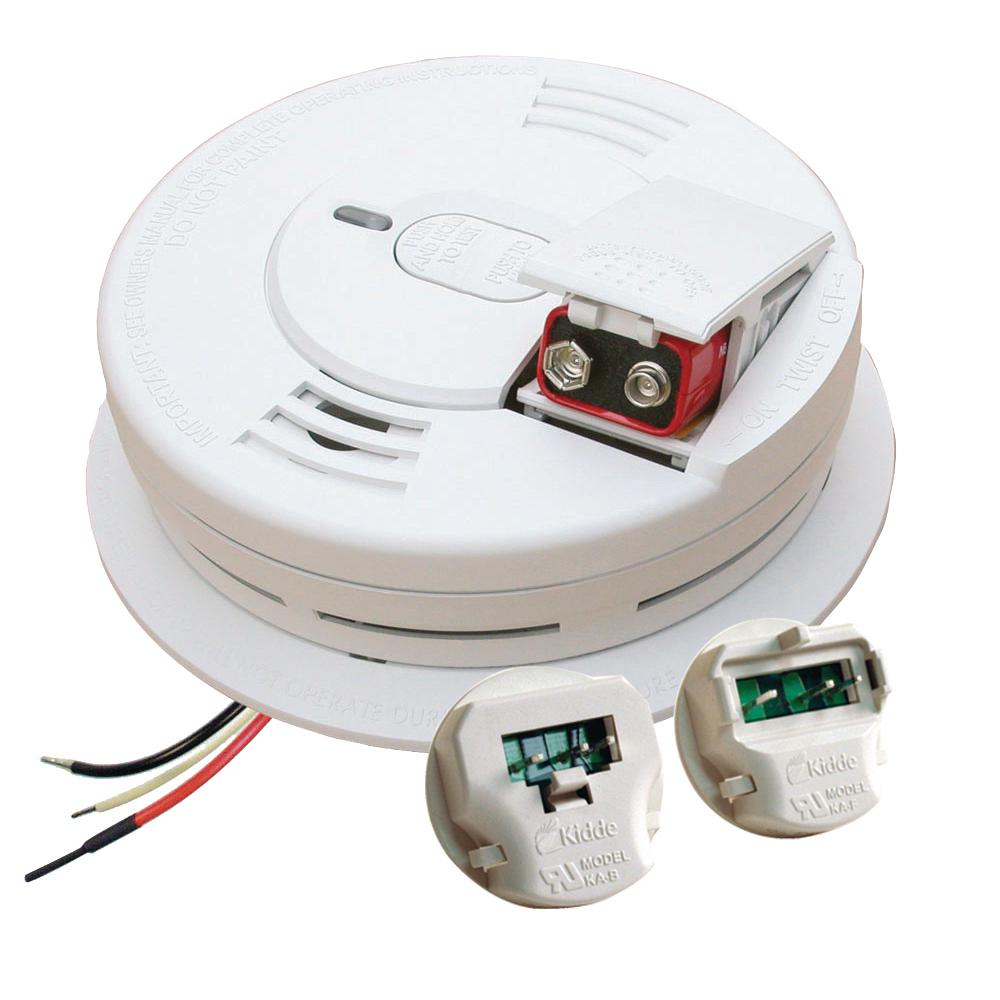
- Twist and Shout (or just twist): Most detectors twist off their base or have a little latch you push to slide them open. Don't be afraid to give it a gentle but firm twist.
- Out with the Old: Unclip the old battery. Make a mental note of how it was connected (+/- terminals).
- In with the New: Pop in the fresh battery, making sure the positive and negative ends match up correctly. It's usually pretty obvious, like putting square pegs in square holes.
- The All-Important Test: Once everything is snug, reattach the detector to its base. Now, press the "Test" button. You should hear a loud, piercing alarm. If you do, high five! Your detector is good to go. If not, double-check the battery, or it might be time for a whole new unit.
The Big Picture: Peace of Mind
Why bother with all this? Because it's a small task with a huge impact. A working smoke detector, powered by a fresh backup battery, is your first line of defense against a fire. It buys you precious minutes to get yourself and your loved ones to safety. It provides an incredible sense of security, knowing that even if the power grid takes a vacation, your early warning system is still wide awake.
So next time you're thinking about that little battery, remember: it's not just about stopping that annoying chirp. It's about protecting your home, your memories, and the people you love. Go on, be a home safety superhero – change those batteries! You've got this, and you'll sleep soundly knowing you're prepared. And who knows, maybe you'll even prevent an unexpected visit from your friendly neighborhood firefighters (unless, of course, you invited them over for a barbecue, in which case, carry on!).