
Hardwired First Alert Smoke Alarm Beeping
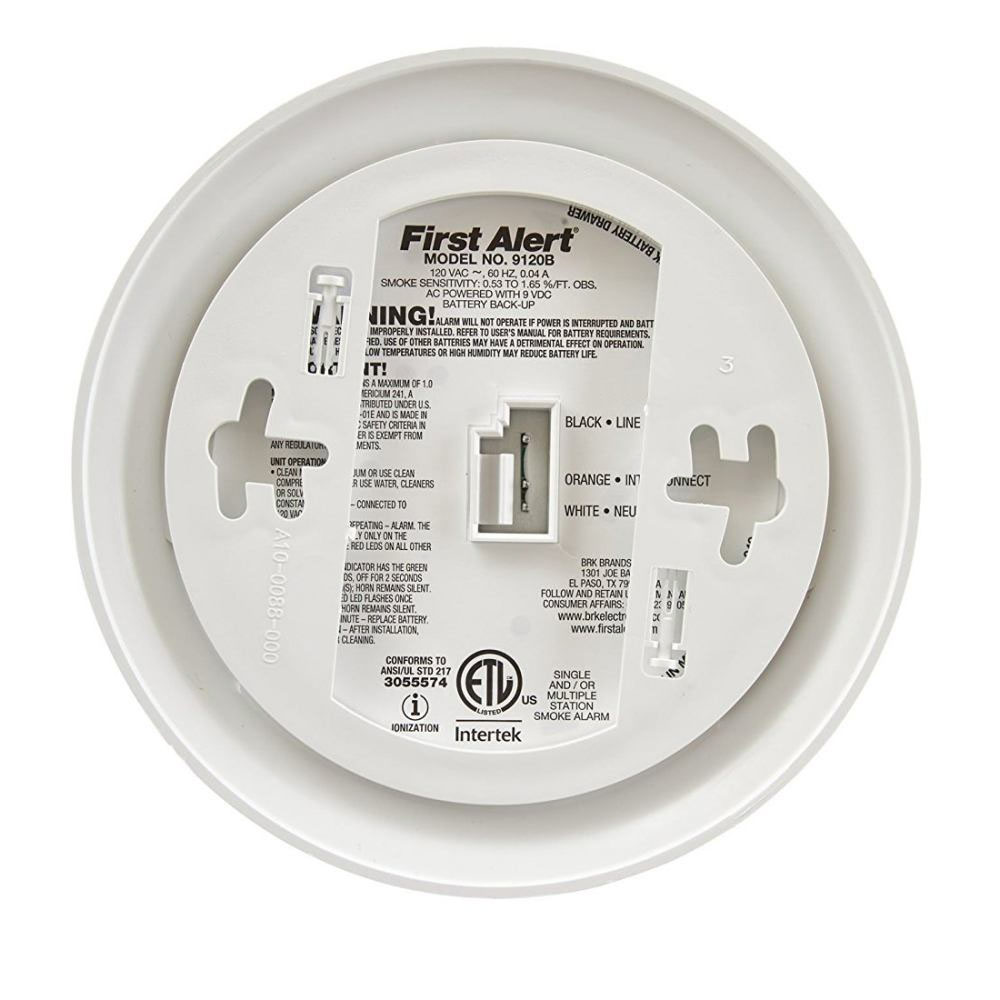
Alright, settle in, because we're about to dive into one of life's great, ear-splitting mysteries: the ever-so-charming beeping of your hardwired First Alert smoke alarm. Oh, you know the one. It starts subtly, a tiny chirp in the dead of night, then escalates into a full-blown siren solo that could wake the dead – or at least, wake you up in a cold sweat!
It’s a symphony of annoyance, isn't it? A persistent, high-pitched plea for attention that echoes through your entire home. And the best part? It always seems to happen at 2 AM, right when you've finally drifted off to dreamland. It's like your smoke alarm has a secret calendar and specifically marks "annoy human" for those ungodly hours.
The Great Battery Deception (Even for Hardwired!)
Now, you might be thinking, "But wait! My alarm is hardwired! It's connected to the house electricity! Why on earth would it need batteries?" Ah, my friend, that's where the plot thickens! This is perhaps the quirkiest fact about these alarms.
Must Read
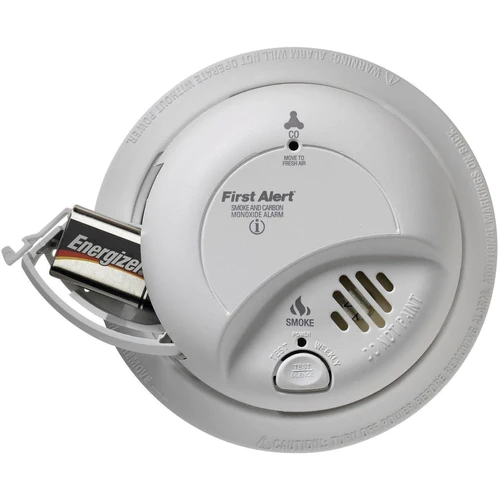
Your hardwired smoke alarm isn't just a fancy wall ornament. It has a secret weapon: a backup battery. This little guy is there for when the power goes out. Smart, right? But also, a sneaky source of those relentless chirps.
Most often, that infamous single chirp every 30-60 seconds means the backup battery is waving a tiny white flag. It's saying, "Hey, human! My juice is low! I need a fresh snack!" It’s a bit like a tiny, demanding robot with a very piercing voice.
The "End of Life" Alarm Clock
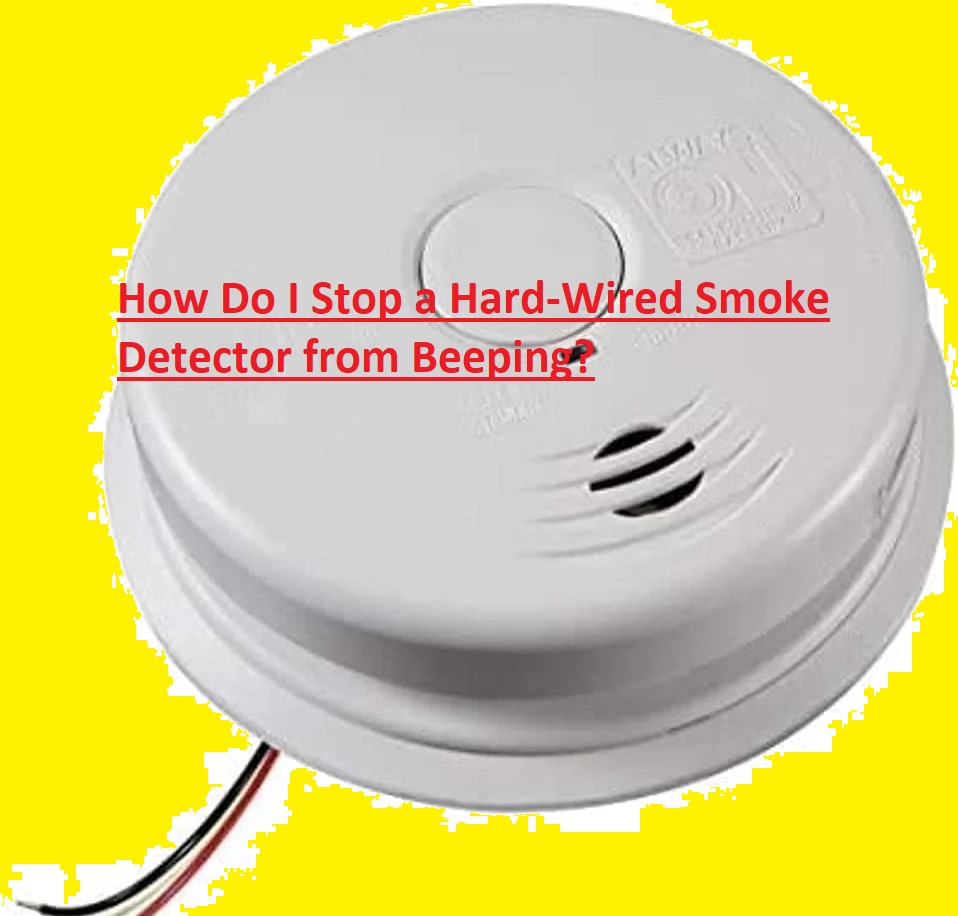
Here's another fun fact that often catches people off guard: smoke alarms don't last forever! Nope. They actually have a shelf life, usually around 10 years. Think of it like a gallon of milk, but for safety devices. They expire!
If your First Alert alarm starts beeping three chirps every 60 seconds, or a similar pattern, it might be telling you, "My time has come!" It's not a battery issue; it's an expiration date alert. Time to send it off to the great alarm clock in the sky and get a new one. This is a genuinely important safety feature, but man, does it make a racket when it’s trying to tell you!
Dust Bunnies and Power Surges: The Unsung Villains
Sometimes, the beep isn't about batteries or old age. It's about life's little nuisances. Ever considered the humble dust bunny as a potential saboteur? Yep!
If dust or cobwebs get into the alarm's sensor, it can trigger false alarms or, you guessed it, that irritating chirp. A quick, gentle vacuum or a blast of compressed air can often solve this. It's like giving your alarm a much-needed spa day.
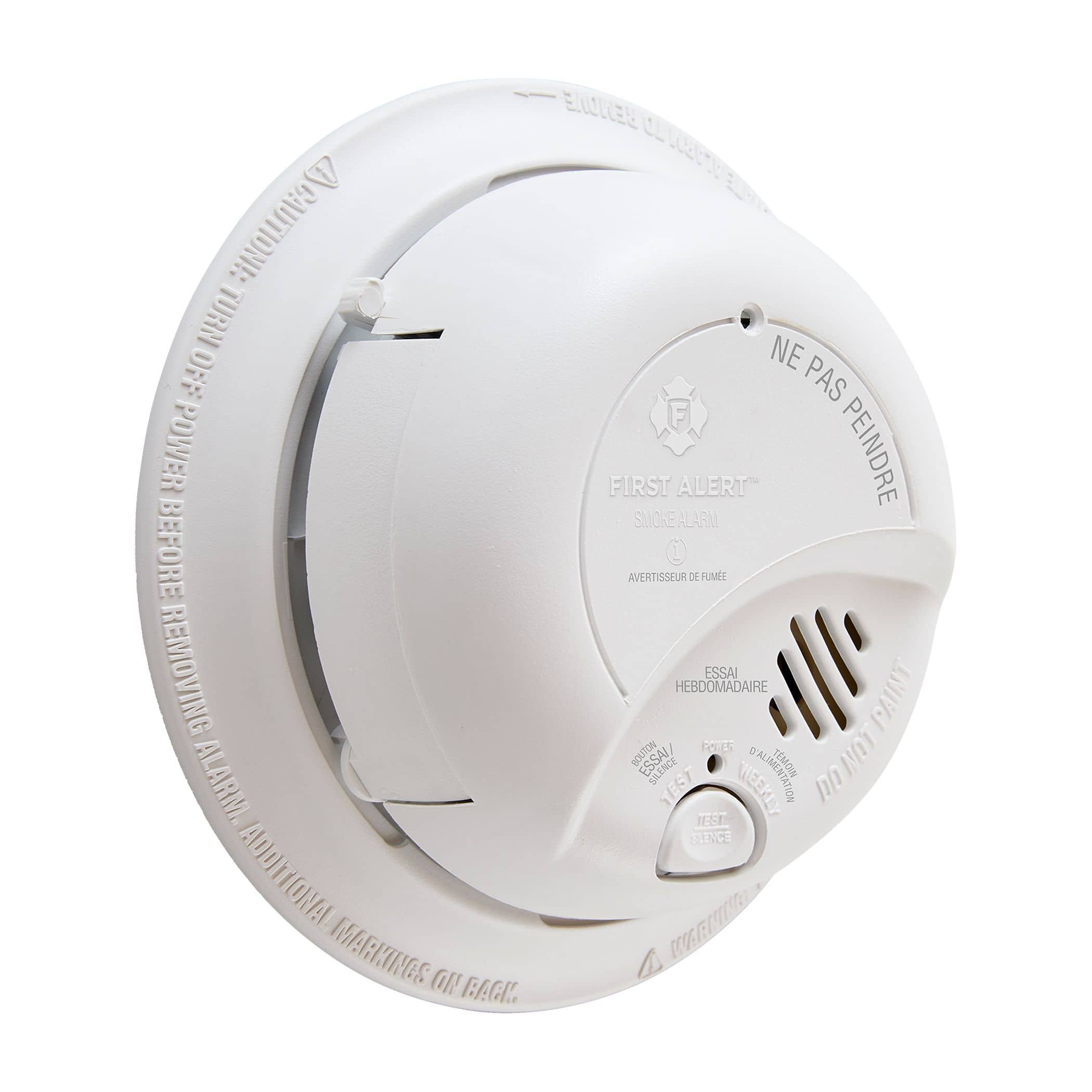
And then there are those mysterious power fluctuations. A quick surge or dip in your home's electricity can sometimes confuse your hardwired alarm. It might let out a quick chirp or two, just to say, "Whoa, what was that?!" before settling back down. If it keeps happening, a quick reset might be needed.
The Interconnected Gossip Network
If you have multiple hardwired First Alert alarms, they're likely interconnected. This means if one detects smoke, they all go off – which is fantastic for safety! But it also means they share information, even about their little gripes.
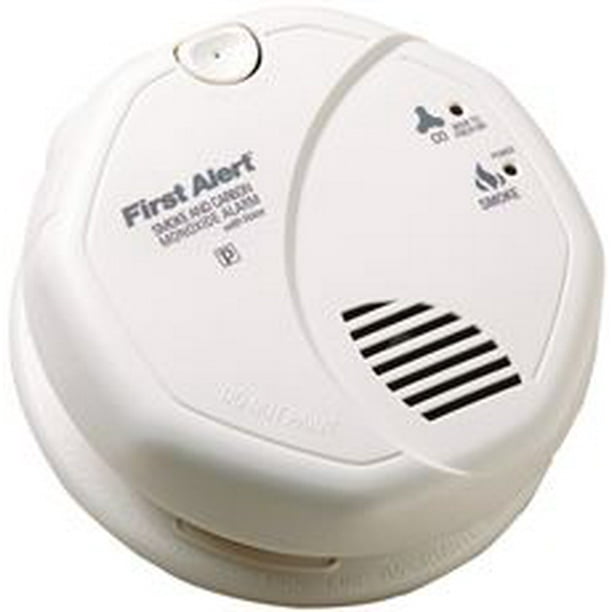
Sometimes, one alarm might be signaling a low battery, but another alarm in the network might chirp in sympathy, or just to pass the message along. It's like a tiny, electronic family reunion where everyone has to chime in! Figuring out which specific alarm is the original chirper can be a fun (read: infuriating) game of "hot or cold."
So, What's the Fun Fix?
Facing the relentless beep can feel like a boss battle in a video game. But here's the quick cheat sheet to win:
- First, find the culprit! Stand directly under each alarm. The loudest one is your target.
- Change the battery! Even for hardwired, start here. Use a fresh, reputable 9-volt (or AA/AAA depending on your model). And when we say fresh, we mean new from the pack, not that dusty one from the back of the drawer!
- Clean it up! A gentle vacuum around the vents can work wonders. Think of it as tickling its belly.
- Check the date! Look on the back or side for a "replace by" date. If it's expired, it's replacement time. No amount of battery changes will fix an old soul.
- Reset it! After changing the battery, often you need to press and hold the test button for about 15-20 seconds to reset it. It’s like giving it a little mental refresh.
The hardwired First Alert smoke alarm's beep might be annoying, but it’s ultimately a tiny guardian doing its best to keep you safe – even if its communication style is a bit... demanding. Next time it chirps, instead of groaning, maybe you can chuckle, knowing you're now privy to its little quirks and secrets. You're basically a smoke alarm whisperer now! Sleep tight... until the next beep, that is!