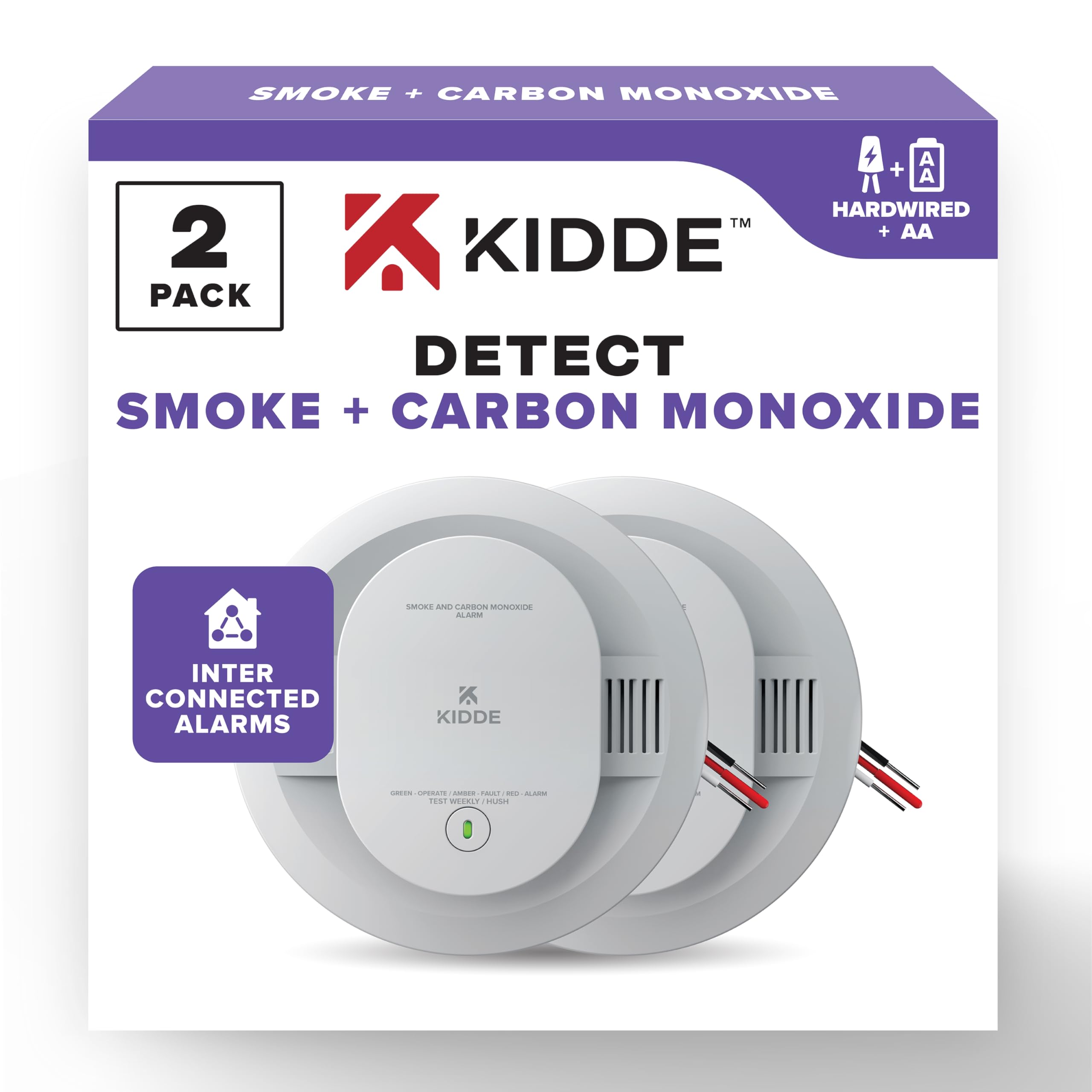
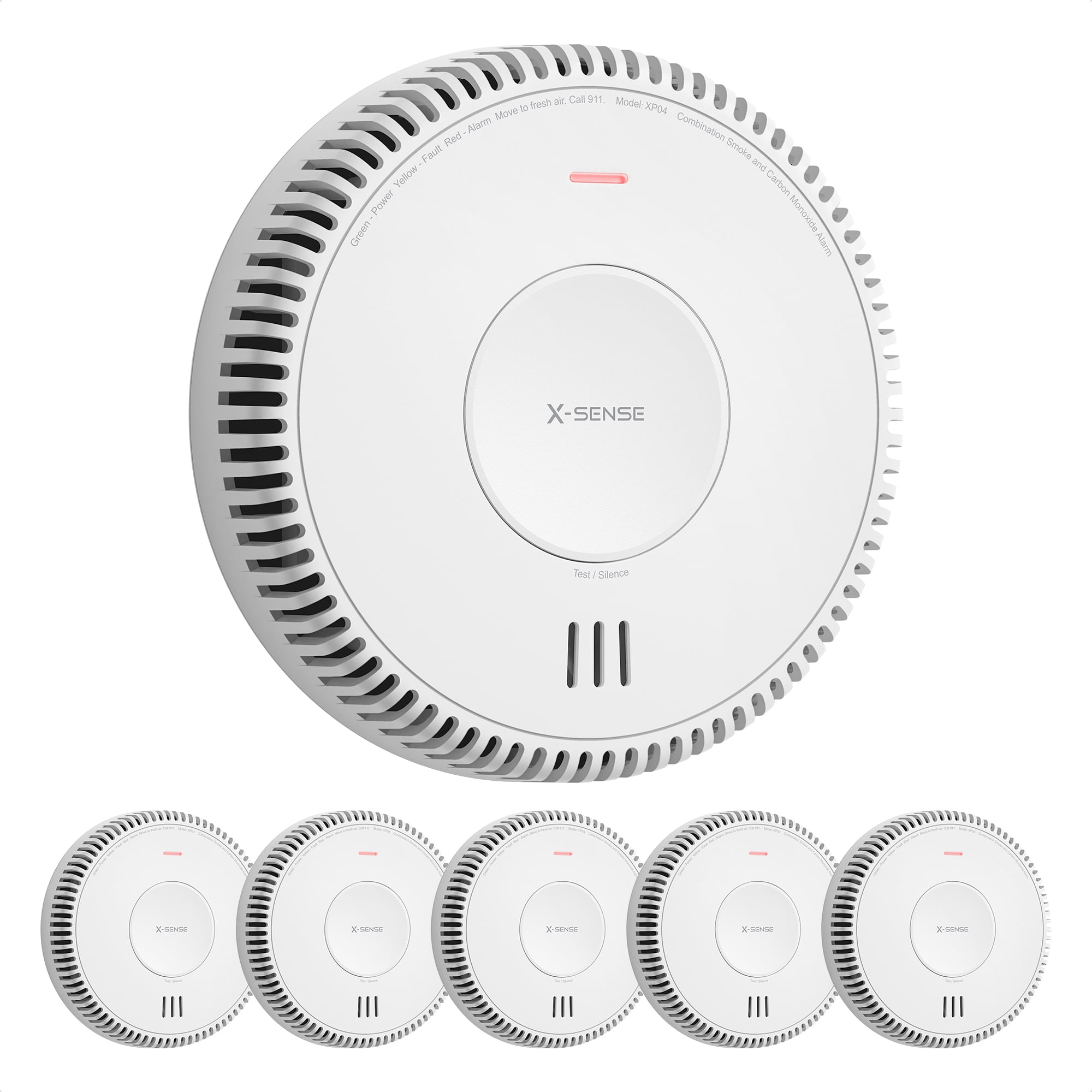
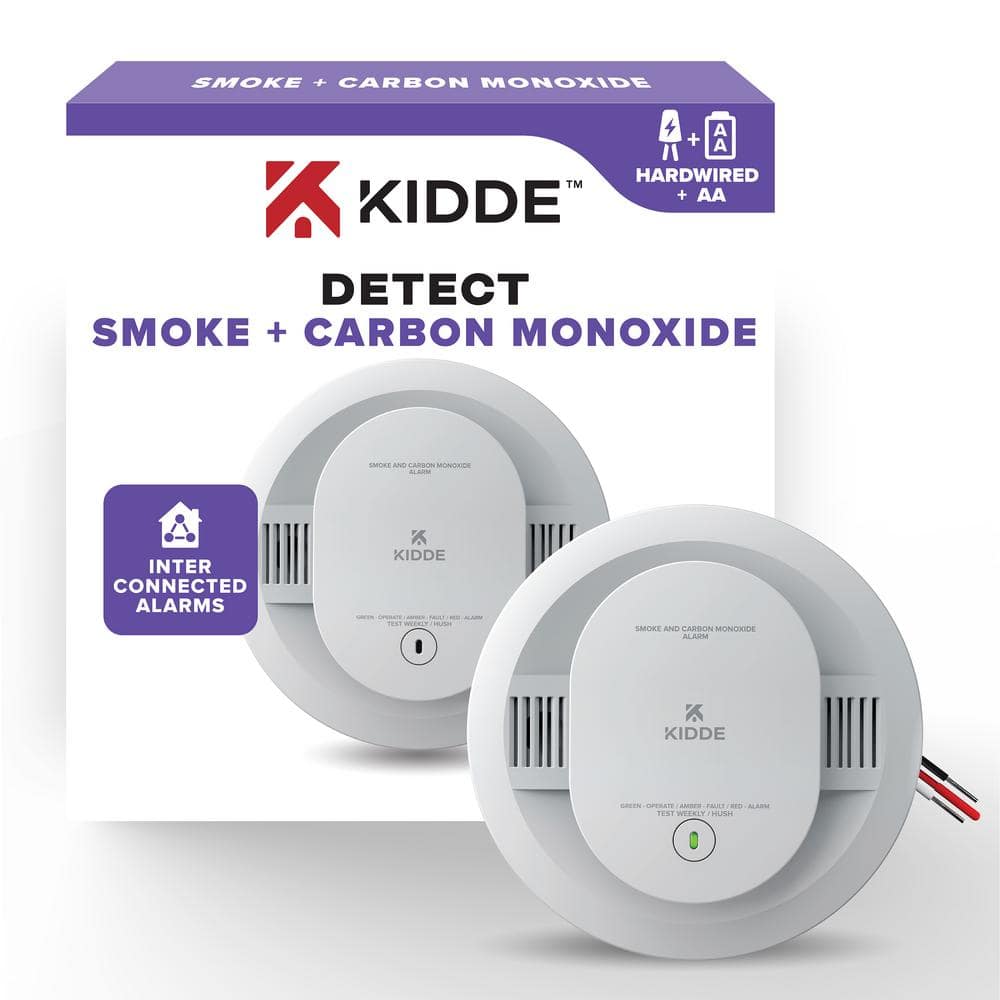
Hardwired Combination Smoke Carbon Monoxide Detector

Ever paused to think about the quiet guardians watching over our homes? It’s not a secret agent with night-vision goggles, but something far more practical and, frankly, life-saving: the hardwired combination smoke and carbon monoxide detector. Often overlooked, these unassuming devices are brilliant pieces of everyday technology, and understanding them isn't just useful, it's genuinely fascinating. Imagine a single gadget that tirelessly monitors two of the most insidious threats to home safety – fire and the invisible, odorless killer, carbon monoxide. Learning about how these vigilant sentinels work can give you a deeper appreciation for modern safety innovations and a much-deserved boost of peace of mind.
At its core, this device is a dual-threat protector. Its purpose is elegantly simple: to alert you to danger before it’s too late. The "smoke" part detects particles released by a fire, giving you crucial seconds to react and evacuate. The "carbon monoxide" (CO) part sniffs out the deadly gas produced by incomplete combustion in things like furnaces, gas stoves, or fireplaces. The real genius is the "combination" aspect, packing two critical protections into one sleek unit. And "hardwired"? That means it’s directly connected to your home’s electrical system, ensuring it always has power, unlike purely battery-operated models that might die at the worst possible moment. Plus, they usually come with a backup battery, so even during a power outage, your home remains protected. Many modern hardwired units are also interconnected, meaning if one alarm goes off, they all go off, amplifying the warning throughout your entire home.
These detectors are silent heroes in countless settings. In daily life, you’ll find them in virtually every new home and apartment, often mandated by building codes, strategically placed near sleeping areas and on every level. They’re indispensable in kitchens where cooking accidents can happen, and in basements or utility rooms where furnaces and water heaters reside. Beyond the home, they play a crucial role in educational settings and public safety awareness. Think about home economics classes teaching basic household safety, or science classes explaining the chemistry of combustion and the dangers of carbon monoxide. Fire departments frequently use them as teaching tools in community outreach programs, demonstrating their importance and showing how to test them, turning a simple device into a tangible lesson in self-preservation and responsible homeownership.
Must Read
So, how can you explore this vital technology further? First, take a moment to look up at your ceiling. Do you have these combination detectors? Are they hardwired? Most importantly, test them monthly by pressing the test button – it’s a simple habit that could save lives. Make sure you understand the different alarm patterns: usually, three beeps for smoke and four beeps for carbon monoxide. Learn where they should be placed in your home – typically outside sleeping areas and on every level. Check the manufacturing date on your detectors; they usually have a lifespan of 7-10 years and need to be replaced after that time, even if they seem to be working. For a deeper dive, consider watching a video on how to replace a backup battery, or even researching your local building codes to understand detector requirements. It's a small investment of time for a giant leap in home safety awareness.