Ah, the enigmatic chirp! If you've ever been jolted awake by that insistent, solitary "beep... beep... beep" echoing from somewhere above, you're not alone. It's the sound of your hardwired smoke detector trying to tell you something, and understanding its language is not only practical but also a little bit like solving a miniature domestic mystery. Far from just being an annoyance, that little chirp is a fascinating glimpse into your home's unseen safety net, and learning about it can actually be quite fun and empowering. It's your house's subtle way of asking for a little attention, and knowing what it wants can save you a headache – and potentially much more.
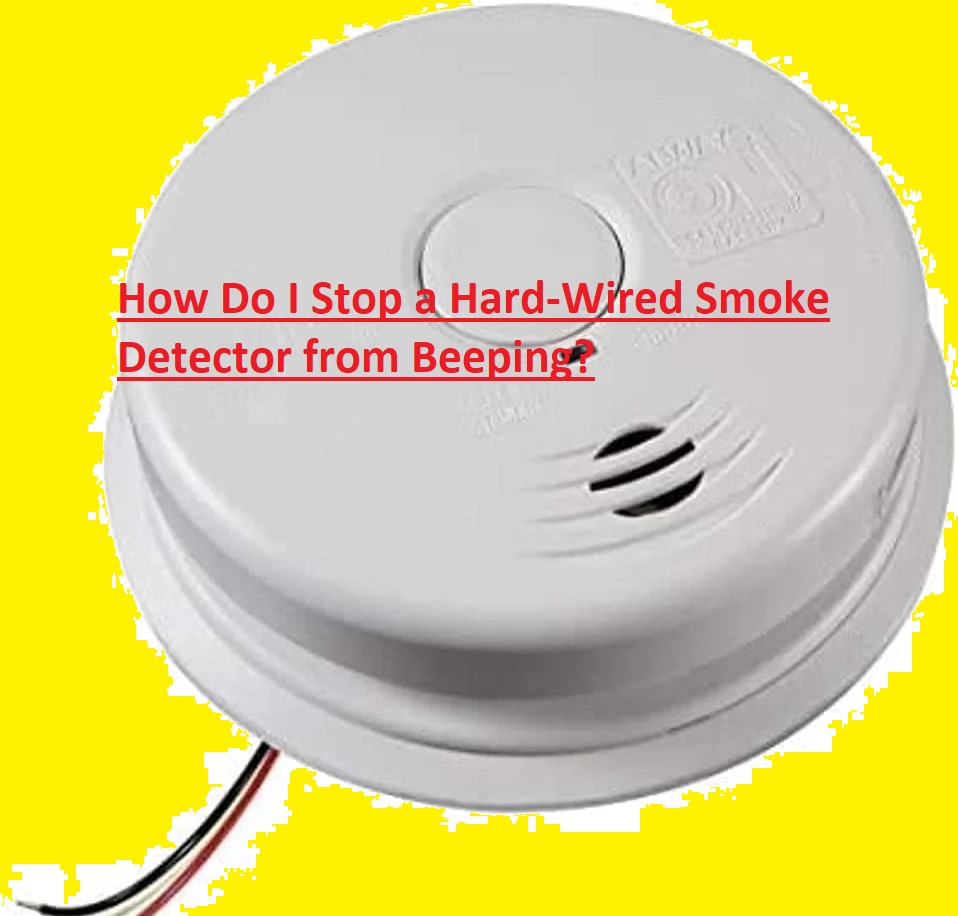
So, what exactly is a hardwired smoke detector, and why is it so important? At its core, its purpose is simple: to detect the presence of smoke, giving you and your loved ones precious extra minutes to escape in case of a fire. Unlike battery-operated units that rely solely on replaceable batteries, hardwired detectors are connected directly to your home's electrical system. The major benefit? They're always drawing power, meaning they're always vigilant. Most importantly, hardwired units are often interconnected. This means if one detector senses smoke, all the detectors in your home will sound the alarm, ensuring everyone, no matter where they are, gets the warning. This interconnectedness is a huge safety advantage, offering peace of mind and significantly increasing the chances of early detection and a safe exit.
Beyond just being a safety device, understanding your smoke detector can be a great learning opportunity. In education, it's a perfect springboard for teaching kids about fire safety – the importance of escape routes, designated meeting points, and not playing with matches. For adults, it's a practical lesson in basic home maintenance and understanding your dwelling's essential systems. In daily life, knowing how your hardwired detectors work can prevent unnecessary panic during that infamous chirp. It’s also a reminder to regularly check these crucial devices. Have you tested them recently? Do you know where the spare backup batteries are? These simple questions are part of responsible home ownership and ensure your silent guardians are always ready for action.
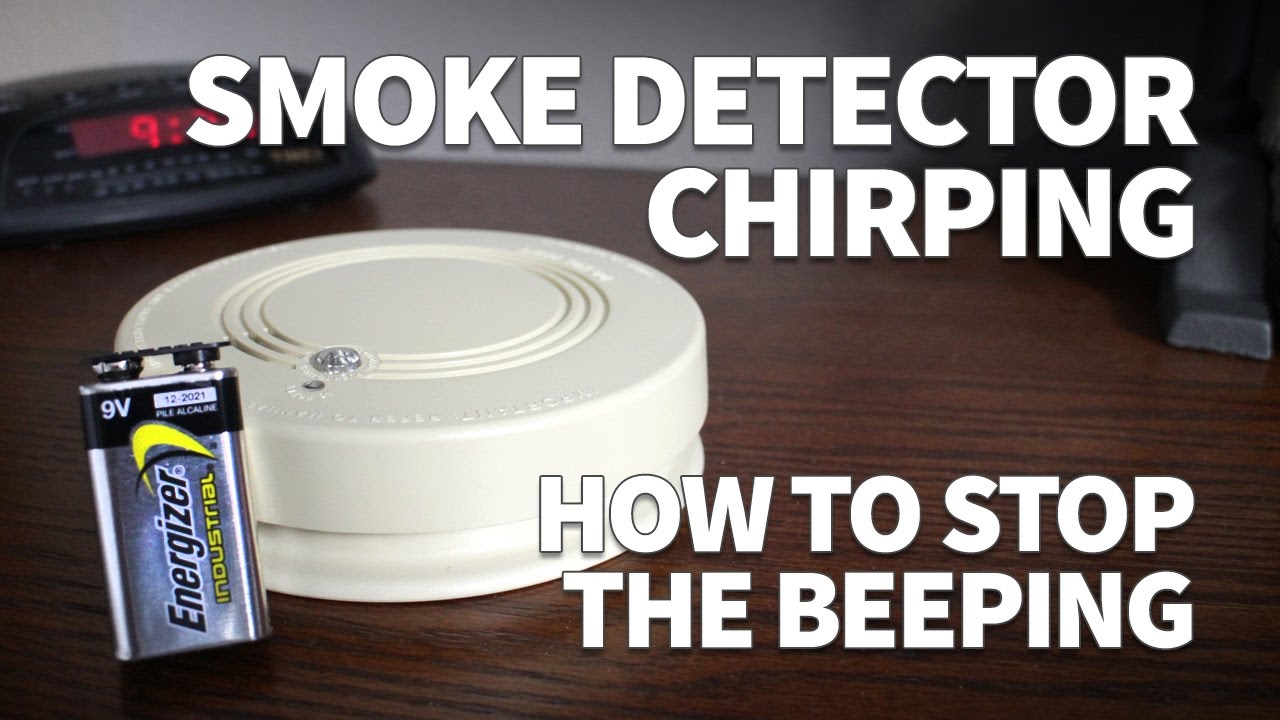
Now for the practical stuff: what to do when your hardwired smoke detector chirps? The most common culprit, despite being hardwired, is usually a low backup battery. Yes, even hardwired units have a small battery that kicks in if your home loses power. So, first tip: locate the chirping unit, twist it counter-clockwise to remove it from its base, and replace the small 9-volt or AA backup battery. Make sure you use a fresh battery! Another quick fix is gently vacuuming around the detector's vents; dust can sometimes trigger false alarms. For further exploration, try reading the user manual for your specific model – it often contains invaluable information about different chirp patterns and their meanings. And remember, smoke detectors don't last forever; most have a lifespan of about 10 years. If yours are older, it might be time for an upgrade. Don't be shy about exploring your home's essential safety features; a little curiosity can go a long way in keeping your sanctuary safe and sound.