
Gujarati Calendar January 2014

Okay, let's dive into the wondrous world of the Gujarati calendar, but specifically, January 2014. Forget resolutions! We're time-traveling to a month where the stars aligned... Gujarati-style.
January 2014: A Cosmic Gujarati Cocktail
Now, if you're picturing a Gregorian January, all snow and New Year's hangovers, think again. In the Gujarati calendar, January 2014 was probably buzzing with a different kind of energy. It was a blend of traditions, festivals (possibly!), and a whole lot of delicious food opportunities.
Let's be honest, understanding the intricacies of the Gujarati calendar can feel like trying to solve a particularly spicy math problem. It's luni-solar, meaning it's based on both the moon and the sun. Mind. Blown.
Must Read
The Lunar Lunacy
The Gujarati calendar, also known as the Vikram Samvat calendar, doesn't just merrily follow the Gregorian one. It has its own months, and each month is divided into two fortnights: the Shukla Paksha (bright half) and the Krishna Paksha (dark half). Think of it as a lunar light show followed by a lunar hide-and-seek.
So, where were we in January 2014? Well, it would have likely encompassed parts of two Gujarati months. It's like January was playing hard to get, straddling the end of one month and the beginning of another. Sneaky, right?
This "straddling" meant different festivals might have popped up depending on where you were in the month. Did someone say unexpected celebrations? I'm always in!
Festivals and Food: The Gujarati Double Threat
Okay, let's get to the good stuff: festivals! While there might not have been major festivals falling entirely within January 2014, that doesn't mean there wasn't any festive cheer. Smaller celebrations and observances likely dotted the landscape.

And let's not forget the food! Every day is a food holiday when you're dealing with Gujarati cuisine. January 2014 was almost certainly full of undhiyu, dhokla, and countless other delectable treats.
Imagine the kitchens! The aromas of spices, the clatter of pans, the friendly banter... all creating a symphony of deliciousness. Now that's a January well spent.
The Astrological Angle: What the Stars Said
The Gujarati calendar isn't just about dates; it's deeply connected to astrology. Each day has its own astrological significance, impacting everything from auspicious times for starting new ventures to potential challenges to watch out for.
So, if you were born in January 2014 according to the Gujarati calendar, your birth chart would be a fascinating mix of lunar and solar influences. You might be destined for greatness... or at least a very interesting life. Either way, congratulations!
Someone consulting the Gujarati calendar back then might have looked at January 2014 to determine the best days for a wedding, a housewarming, or even just a haircut. Hey, gotta look good for those spontaneous celebrations!
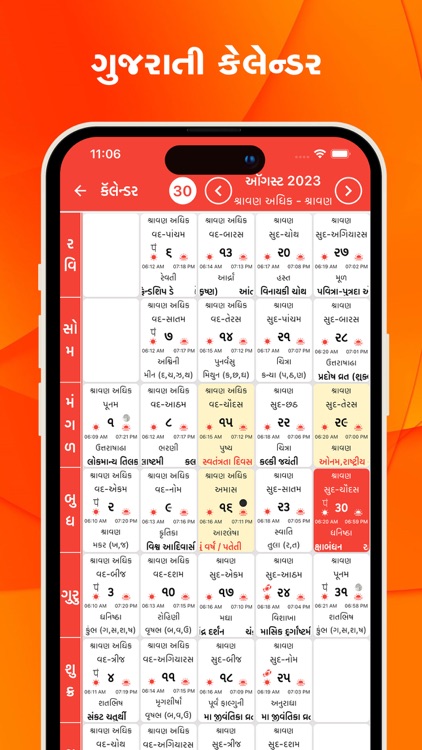
Humorous Hijinks: Calendar Confusion
Let's be real: navigating multiple calendars can lead to some hilarious situations. Imagine scheduling a meeting using the Gregorian calendar, only to realize later that your Gujarati-calendar-following colleagues are observing a completely different day.
"See you on Tuesday!" you say cheerfully. Cue bewildered stares and frantic calendar checks. "Um, Tuesday is ekadashi," they might respond. Awkward silence ensues.
Or picture this: You're planning a surprise party, meticulously coordinating the date on the Gregorian calendar. However, your family is secretly following a different lunar cycle. The surprise gets... well, surprising in a whole new way.
Family Fun and Festive Fiascos
These calendar clashes can also lead to heartwarming moments. Grandma might insist on celebrating a festival a week earlier than everyone else, leading to a chaotic but ultimately loving family gathering.
Or perhaps a child, confused by the multiple dates, proudly announces the wrong day for Diwali, resulting in a chorus of laughter and a gentle explanation of the lunar cycle. It's all part of the charm.

So, January 2014 in the Gujarati calendar wasn't just about dates and festivals; it was about family, tradition, and the occasional delightful misunderstanding. It was about celebrating life, one lunar phase at a time.
A Deeper Dive: Beyond Dates and Divas
While January 2014 might seem like just another month on the Gregorian calendar, it held a deeper significance for those following the Gujarati calendar. It was a time to connect with their roots, honor their ancestors, and celebrate the cyclical nature of life.
The Gujarati calendar serves as a reminder that time isn't linear. It's a spiral, constantly circling back to familiar patterns and traditions. This perspective can be incredibly grounding in our fast-paced world.
It's also a testament to the resilience and adaptability of Gujarati culture, which has managed to preserve its traditions even in the face of globalization. The Gujarati calendar is more than just a way to keep track of time; it's a living embodiment of Gujarati identity.
Embracing the Chaos: The Beauty of the Blend
So, what's the takeaway from our little journey into January 2014, Gujarati-calendar style? Perhaps it's that life is best lived with a bit of flexibility and a willingness to embrace the unexpected. Just like those ever-shifting lunar phases.

It's about finding the beauty in the blend, the harmony in the chaos, and the joy in the shared traditions that bind us together. And maybe, just maybe, learning a little bit about a culture that’s different from your own.
And remember, if you ever find yourself confused by the Gujarati calendar, just smile, grab a plate of delicious food, and go with the flow. After all, that's what life is all about, right?
Final Thoughts: January 2014 and Beyond
January 2014 in the Gujarati calendar: a month of traditions, potential calendar-related confusion, and definitely good food. It's a tiny window into a rich and vibrant culture that continues to thrive today.
So, the next time you look at a calendar, remember that there are countless other ways to measure time and celebrate life. Each one offers a unique perspective on the human experience.
And who knows, maybe you'll even be inspired to learn more about a different calendar and discover a whole new world of cultural richness. Happy exploring!