
Good Temperature Setting For Heating
Ever stood in front of your thermostat, hand hovering, wondering if you’re doing it "right"? You’re definitely not alone! It feels like there’s this secret handshake to getting the heating "just right," and honestly, it’s a curious puzzle we all try to solve every winter. It's more than just a number; it's about crafting your personal cozy bubble without, well, accidentally heating the entire neighborhood with your wallet. So, let's dive into the wonderfully warm (and sometimes bewildering) world of finding that perfect temperature setting for your home heating.
The "Ahhh, This Is Nice" Zone
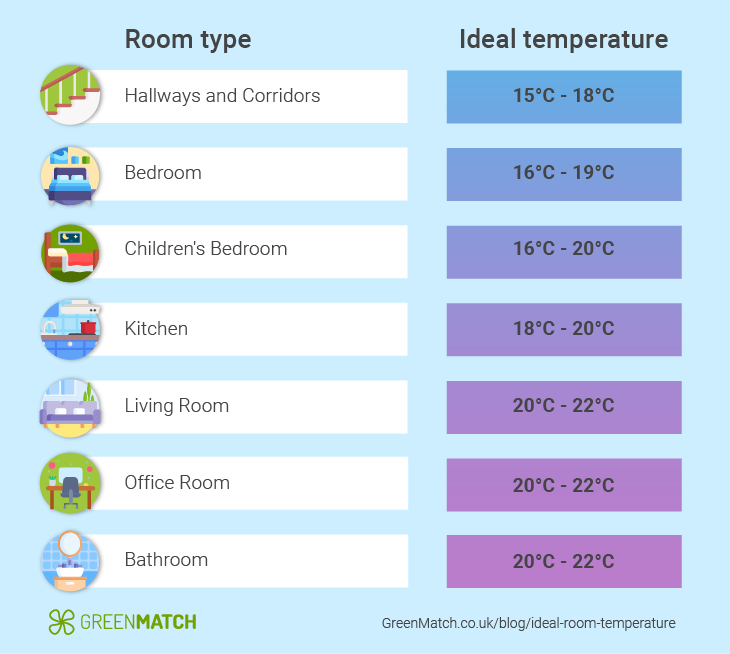
Think about it: what’s your ideal "sit back with a mug of something warm" temperature? For some, it’s a balmy 22°C (about 72°F) where they can wander around in a t-shirt. For others, a crisp 19°C (66°F) feels perfectly cozy with a sweater on. It’s a bit like picking your favorite ice cream flavor – totally subjective! There’s no single magic number that works for everyone because we all have different internal thermostats, kinda like our bodies are unique little heating systems themselves.
The Goldilocks principle definitely applies here: not too hot, not too cold, but just right. And that "just right" feeling often involves more than just the air temperature. Humidity, drafts, and even what you're wearing play a huge role. Ever noticed how 20°C can feel chilly one day and perfectly comfortable the next? That's the magic (or mischief!) of humidity at play.
Must Read
Comfort vs. The Wallet Dance
Ah, the age-old dilemma! We want warmth, but we dread that energy bill. Finding the sweet spot between ultimate comfort and savings is a delicate dance. Did you know lowering your thermostat by just a degree or two can make a noticeable difference to your heating costs over a winter? It's true! It’s like finding an extra tenner in your winter coat pocket – a small win, but still a win.
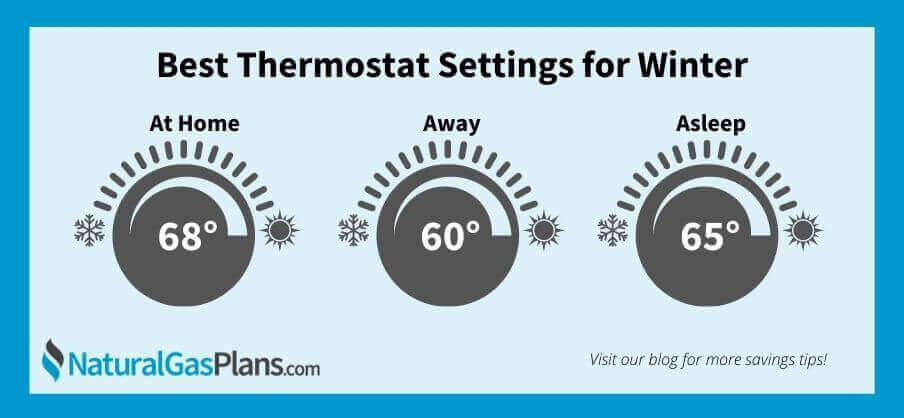
Many experts suggest aiming for 19-21°C (66-70°F) during the day when you're home. This range generally keeps most comfortable without forcing your heating system to work overtime, trying to turn your living room into a tropical paradise. Think of your home as a perfectly baked cake – you want it warm and fluffy, not burnt!
Daytime Hustle, Nighttime Chill
Our bodies naturally cool down when we sleep. It's part of the whole "getting ready for dreamland" process. So, it makes perfect sense to lower your thermostat a bit at night, right? Absolutely! Most people find that a temperature between 16-18°C (60-64°F) is ideal for sleeping. It’s cool enough to encourage restful sleep, but not so cold that you wake up with icicles on your nose.
Lowering the temperature at night is also a fantastic energy-saving trick. Why pay to keep your house toasty warm when you’re snuggled under a duvet, barely noticing the difference? It’s like turning off the lights when you leave a room – a simple, sensible move that adds up. Plus, some studies even suggest that sleeping in a cooler room can be beneficial for metabolism and overall health. Who knew being a bit chilly could be good for you?
The "Out and About" Strategy
What about when you’re not even home? Heating an empty house is like throwing money out the window – literally! If you’re at work, out for the day, or away for the weekend, there’s no need to keep your home at peak cozy levels. This is where the concept of "setbacks" comes in handy.
You can drop the temperature quite a bit – say, to 15-17°C (59-62°F) – when no one is around. Don't worry, your pipes won't freeze (unless you live somewhere truly extreme and are gone for ages, in which case, different rules apply!). The idea is to prevent the house from getting too cold, which would then require a lot of energy to heat back up. It’s a balancing act: letting it cool down enough to save energy, but not so much that your furnace has to sprint a marathon when you return.
The Health & Happiness Angle
Beyond comfort and cost, there’s a genuine health connection. Too hot, air can become dry, leading to irritated skin, dry eyes, and respiratory discomfort. Too cold, and you might find yourself shivering, unable to concentrate, or even more susceptible to colds (though feeling cold isn't fun!).
Finding that temperature where you feel alert, comfortable, and not constantly adjusting your layers is key. It’s about creating an environment where you can truly relax, work, or play without being distracted by being too warm or too chilly. It’s like your home is giving you a warm, gentle hug – not a suffocating squeeze!
Smart Tech: Your Cozy Sidekick
If all this talk of adjusting numbers sounds like a chore, fear not! Modern technology is here to save the day (and your fingers!). Smart thermostats are like little climate wizards. They can learn your habits, sense when you’re home or away, and even connect to your phone so you can tweak the temperature from the comfort of your sofa or on your way home from work.
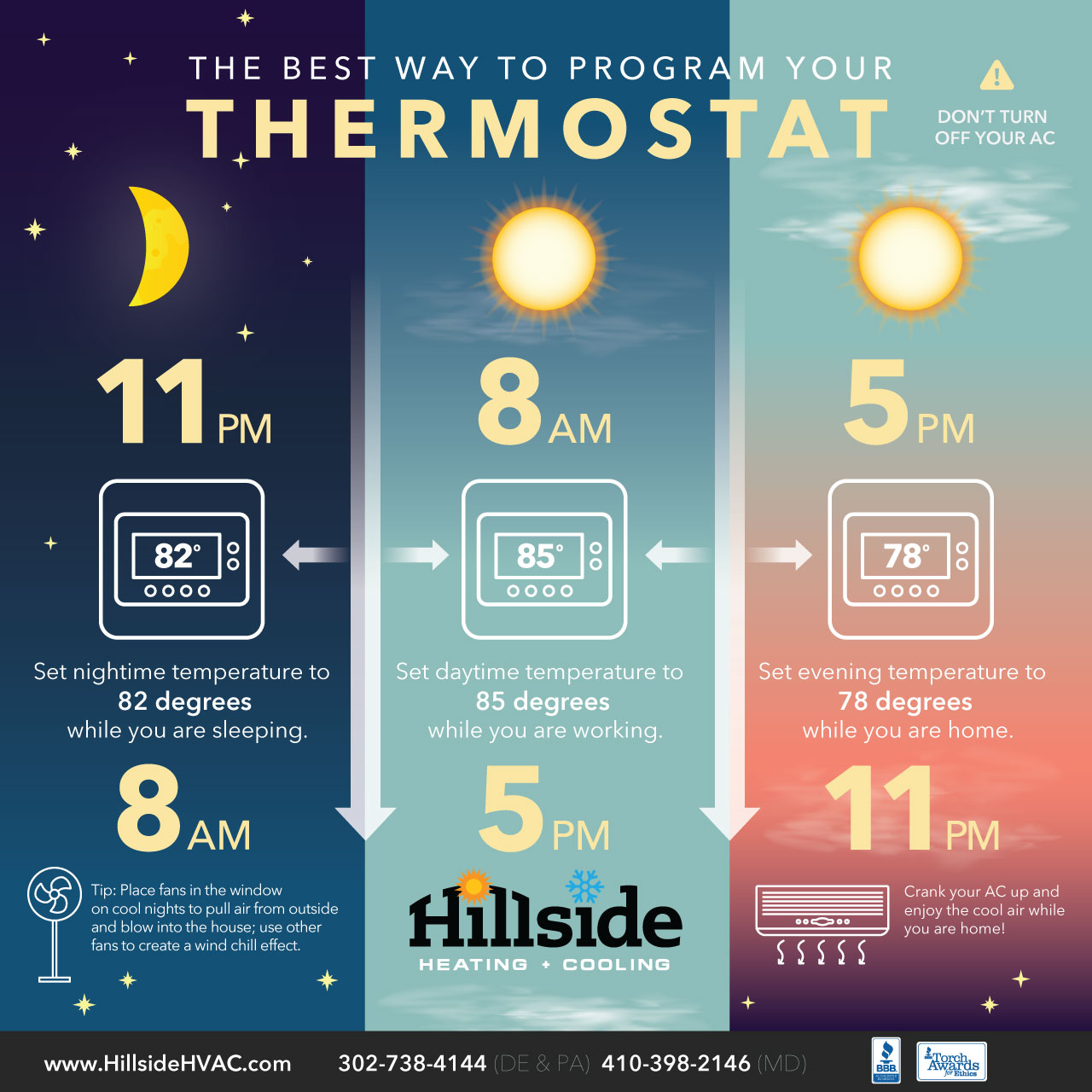
These clever gadgets make finding your ideal heating setting easier than ever, automating the "setback" periods and ensuring you’re only heating your home when and how you need to. It’s like having a personal assistant whose only job is to keep you perfectly warm and save you money. Pretty cool, right?
Your Home, Your Rules
Ultimately, there’s no single, universally perfect temperature. The "best" setting for your heating is the one that keeps you and your family comfortable, healthy, and happy, all while being mindful of energy use. It’s a journey of experimentation, listening to your body, and maybe even having a friendly chat with your heating bill.
So, next time you approach that thermostat, remember it’s not just a number. It’s a reflection of your comfort, your lifestyle, and your energy savvy. Have fun finding your sweet spot, and may your home always be perfectly cozy!