
Goatery Farm Project In West Bengal
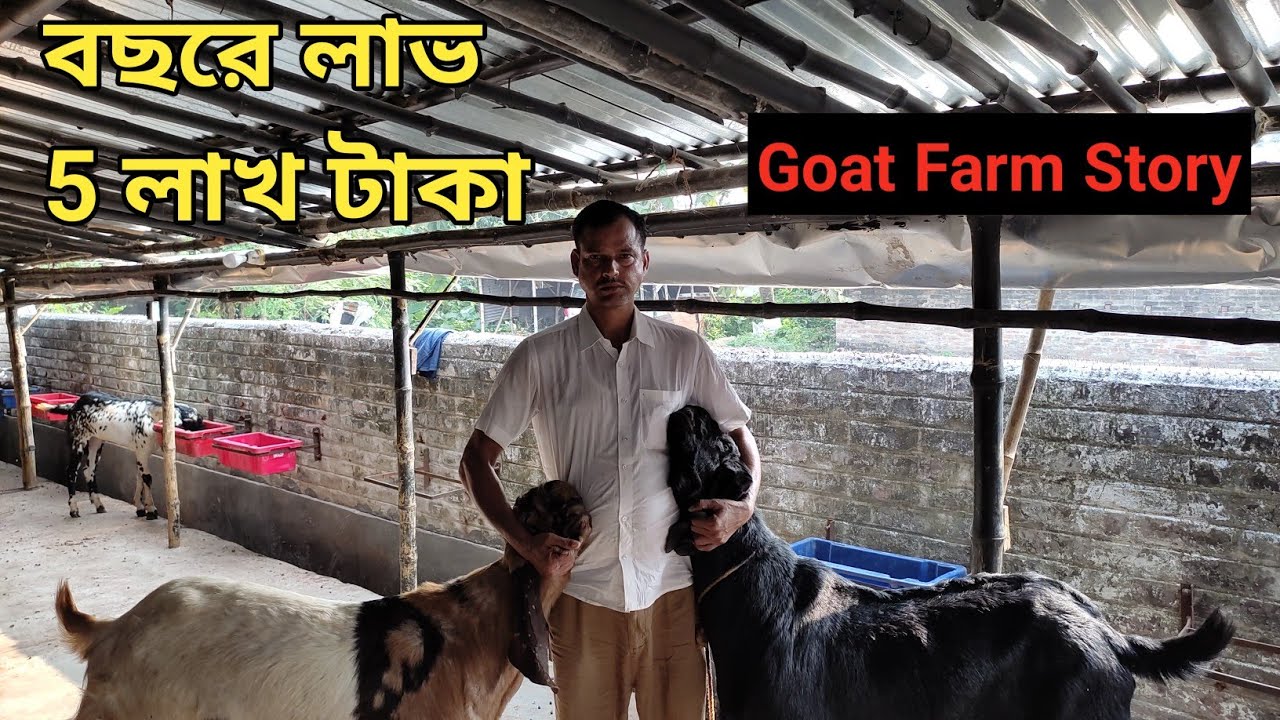
Okay, picture this: I’m at a local bazaar in West Bengal, trying to haggle for the least offensive smelling cheese (some of you know EXACTLY what I’m talking about). And this old guy, probably seen it all, chuckles and says, “Why buy? Why not make? Goats are the future!” Little did I know, he wasn’t just being a quirky local. He was unknowingly hinting at something pretty awesome happening: the rise of the goatery farm project in West Bengal.
Seriously, who knew goats could be so… revolutionary? But hang on, let's dive a little deeper.
The Goat: Not Just a Lawn Mower
For ages, goats were just, well, goats. They munched on grass, provided milk in small quantities, and maybe occasionally ended up in a delicious curry. But a group of forward-thinking folks in West Bengal saw potential beyond the average goat’s resume. They realized that with a little investment and some seriously smart planning, goateries could be a game-changer for rural economies.
Must Read
The Goatery Farm Project is basically a push to encourage more people in West Bengal to raise goats in a more structured, sustainable, and profitable way. Think of it as goat-farming 2.0. Forget just letting them roam around eating whatever they find (although, happy goats are important!). This is about creating actual businesses.
And it's not just about the milk either. Although, goat milk is surprisingly good for you (apparently easier to digest than cow’s milk, if you're into that kind of thing). We’re talking meat production, fiber (for clothing and other things), and even manure for fertilizer. It’s a whole ecosystem of goat-related goodness. (Who knew?!)
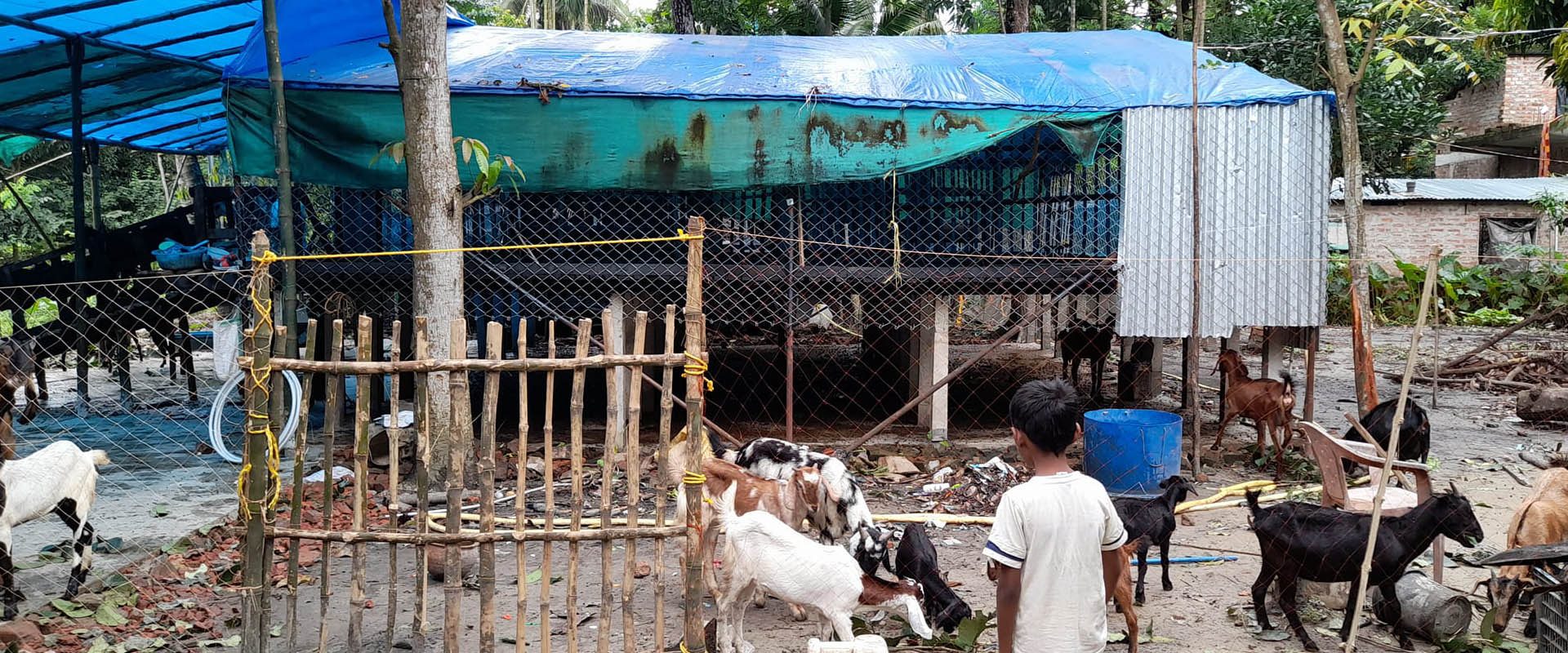
Why Goats? Why Now?
So, why goats? Why not, I don’t know, start a yak farm in the Himalayas? (Okay, maybe that's not realistic). Well, goats are hardy little creatures. They can survive in tougher conditions than, say, cows, and they reproduce relatively quickly. This makes them ideal for a region like West Bengal, where climate change is already impacting agriculture.
Also, let's be real, goats are relatively low maintenance. Don't get me wrong, they still need care and attention, but compared to other livestock, they're pretty independent. And this project provides training and support to farmers, so they're not just thrown into the deep end of the goat pool. Think of it as goat-farming boot camp!
But here’s the kicker: the demand for goat products is on the rise. People are becoming more aware of the health benefits of goat milk and meat, and the demand for goat fiber is also increasing. This means that farmers who get involved in the goatery project have a real opportunity to tap into a growing market and increase their incomes.

The Impact: Beyond the Bottom Line
The goatery farm project isn’t just about making money, though. It’s also about empowering rural communities, especially women. Many of the goatery projects are run by women's self-help groups, giving them a chance to gain financial independence and improve their quality of life. Pretty cool, right?
Furthermore, it's about sustainable agriculture. By promoting responsible goat farming practices, the project is helping to protect the environment and ensure that future generations can benefit from this valuable resource. No overgrazing here folks!

Challenges and the Future
Of course, it’s not all sunshine and goat cheese. There are challenges. Disease outbreaks, access to quality feed, and getting products to market are all hurdles that need to be addressed. And let's not forget about the competition from established players in the meat and dairy industries.
But, the future looks bright. With continued investment, proper training, and a focus on sustainability, the goatery farm project has the potential to transform rural economies in West Bengal and beyond. I mean, who would have thought that the answer to economic empowerment could be found in a herd of goats? (Definitely not me, before that bazaar encounter.)
So, next time you see a goat, don’t just think of it as a lawn mower. Think of it as a symbol of hope, opportunity, and maybe even a surprisingly delicious source of cheese. And who knows, maybe one day you'll be starting your own goatery! I might just join you... if you promise to teach me how to make that cheese smell a little less… intense.
