Generator Hook Up To Electrical Panel
There's a certain primal satisfaction that comes from being prepared. For many, that feeling blossoms into pure joy when the neighborhood goes dark, but your lights, fridge, and Wi-Fi stay gloriously alive. We're talking about the magic of having a home generator, and specifically, the unsung hero of its operation: the connection to your electrical panel. It’s not just about surviving a power outage; it’s about thriving, sipping hot coffee while others shiver, and keeping your binge-watching marathon uninterrupted. There's a true sense of empowerment in knowing you've got your own personal power grid when the big one fails.
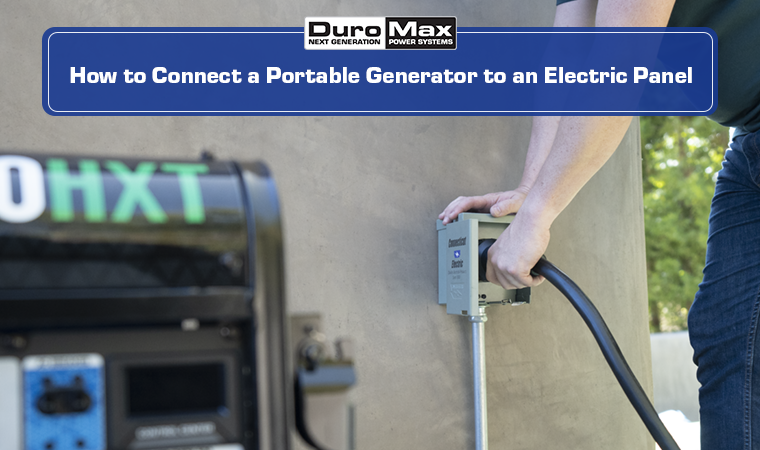
The core benefit of hooking your generator directly into your home's electrical panel is sheer, unadulterated convenience and safety. Gone are the days of snaking a dozen extension cords through windows and doors, tripping over them in the dark, and sacrificing precious power to resistance. With a proper connection, your generator breathes life into your home's existing circuits, powering your essential appliances and systems with the flick of a switch. It means your refrigerator hums along, your furnace or AC keeps you comfortable, your well pump delivers water, and your medical devices stay operational. It’s about maintaining a semblance of normal life when the world outside is in chaos, providing not just electricity, but profound peace of mind.
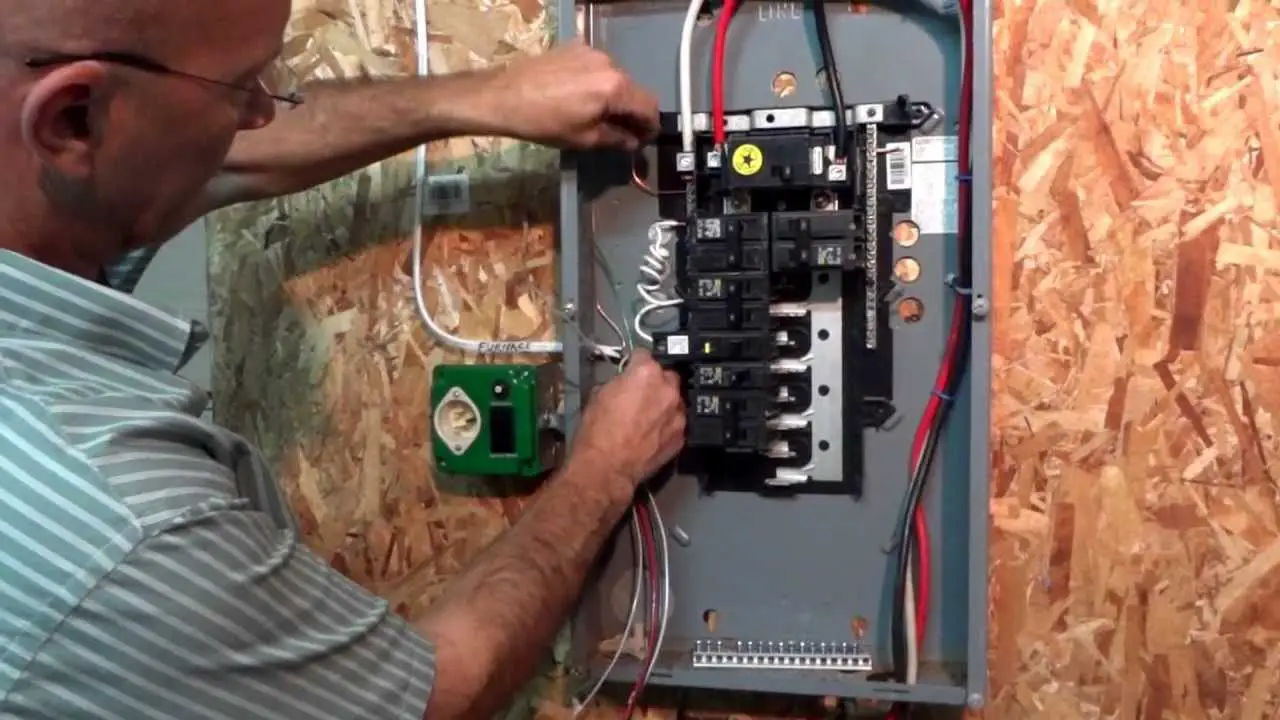
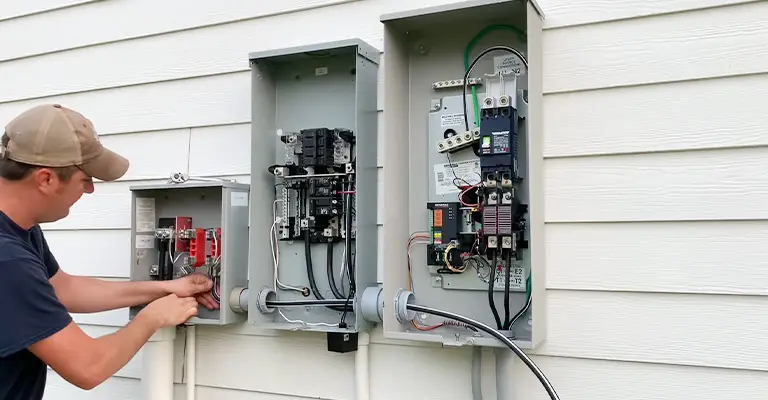
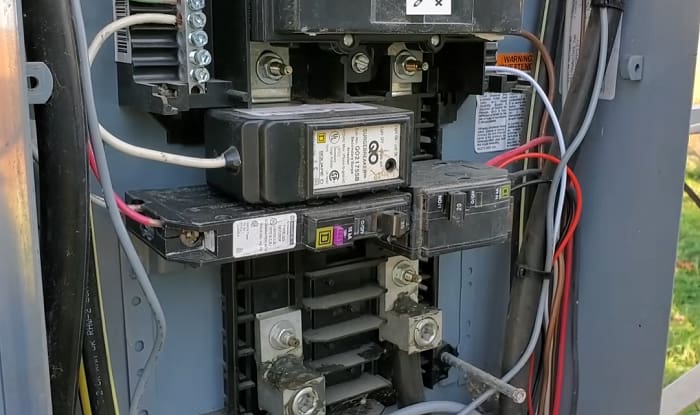
This powerful setup isn't just for doomsday preppers; it's a practical solution for everyday life. Think about those sudden summer thunderstorms that fell a tree across power lines, or the brutal winter blizzards that knock out power for days. Folks in rural areas often rely on generators during routine outages, while those with home offices can't afford a single moment of downtime. Even during planned grid maintenance, a generator connected to your panel can keep your life flowing smoothly. The key component that makes this all possible is a transfer switch – an absolutely vital piece of equipment that safely isolates your home from the main power grid when the generator is running, preventing dangerous "backfeeding."
Must Read
To truly enjoy the benefits of your generator connected to your electrical panel, a few practical tips can make all the difference. First and foremost, safety is paramount. Always have a licensed electrician install your transfer switch. This isn't a DIY project; messing with your home's electrical system can be deadly. The transfer switch is your home's bodyguard, ensuring your generator power never clashes with the utility grid. Secondly, choose the right size generator for your needs. Don't guess! Calculate the wattage of your essential appliances (fridge, furnace, lights, specific medical equipment) to avoid overloading your system. You don't want to run out of juice just when you need it most.
Finally, practice makes perfect. Run your generator regularly, perhaps once a month for 15-20 minutes under a small load, to keep it in prime working condition. Store fuel safely and keep it fresh with a fuel stabilizer. And always, always operate your generator in a well-ventilated area, far away from windows and doors, to prevent carbon monoxide poisoning. By following these simple guidelines, you'll ensure your generator is a source of comfort and reliability, rather than a headache. So, when the next outage hits, you won't just have power; you'll have the confidence and comfort that comes from being truly prepared, savoring that uninterrupted moment with a smug, satisfied smile.