General Electric Alarm System Manual
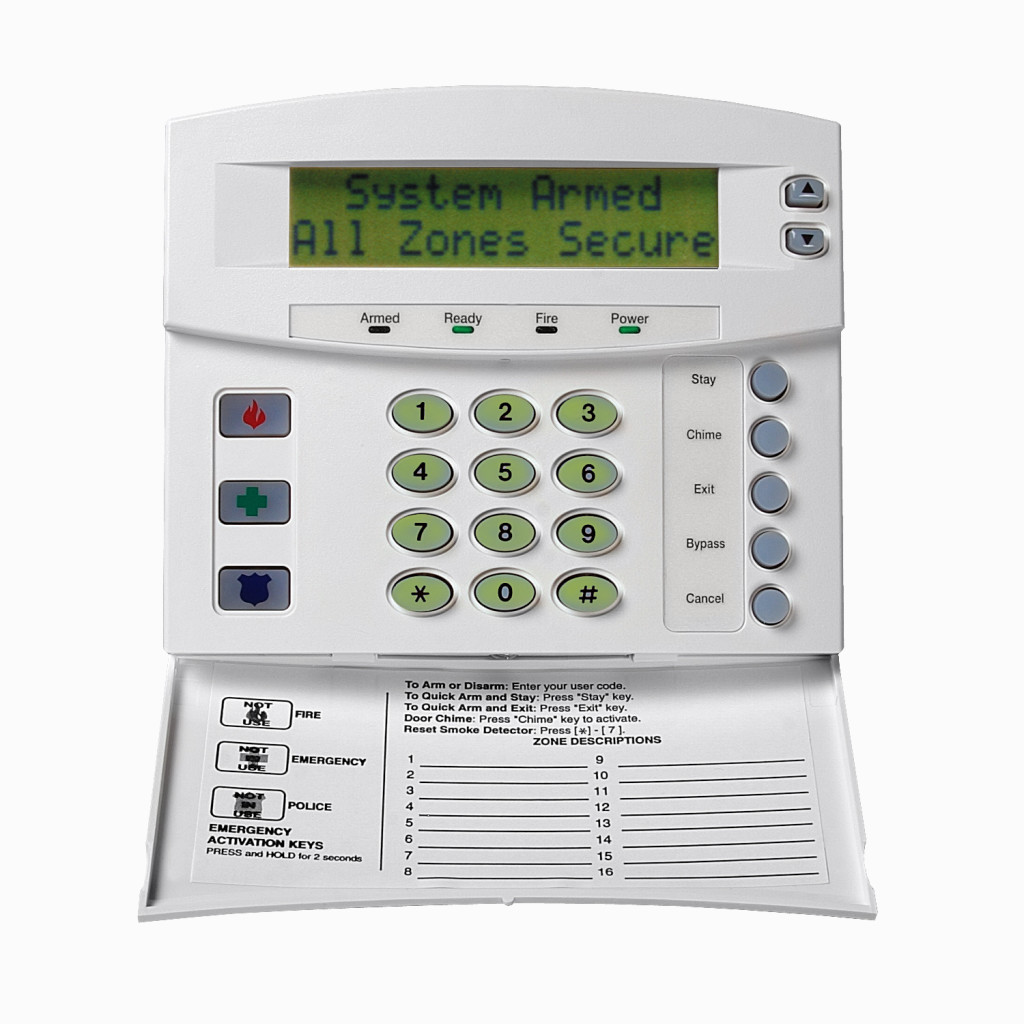
Okay, so picture this: You’re doing a bit of decluttering, right? Maybe digging through a dusty old box in the garage, or perhaps it’s the back of that kitchen junk drawer that’s slowly turning into a black hole of forgotten things. And then, bam! You unearth something truly magnificent. A relic from a bygone era. I’m talking about a genuine, authentic, honest-to-goodness General Electric Alarm System Manual.
Seriously, when I found mine, it was like a tiny archaeological dig. It wasn't just a few flimsy pages, either. Oh no. This was a tome. A small, but mighty, brick of papyrus dedicated solely to the art of not getting your house burgled in the most analog way possible. It probably weighed more than some of the smart gadgets we rely on today!
The Sheer Weight of Knowledge (and Paper)
The first thing you notice? The paper. It's that slightly yellowed, thick, almost pulpy stuff. Not exactly recycled, you know? And the ink? Solid, uncompromising black. No fancy colors, no glossy photos. Just diagrams that look like they were drawn by someone with a ruler and a compass, probably in a windowless room, fueled by lukewarm coffee and a deep understanding of circuit boards. Riveting stuff, I tell ya!
Must Read
Flipping through it, you realize this isn't just an instruction booklet. This is a quest log. Each page is a new challenge. "Installation Procedures," "System Programming," "Troubleshooting Guide." It’s like they expected you to become a certified alarm technician just by owning one of these bad boys. Who needed YouTube tutorials when you had this?
And let's not forget the language. It’s not exactly "chatty with a friend over coffee," like we're doing now, is it? It’s all very precise. "Ensure positive voltage is maintained at terminal B prior to initiating sequence C-7." Like, excuse me, General Electric? Are we building a rocket or just trying to arm our front door sensor? A little light exaggeration? Maybe. But it sure felt that way!

A Journey Into the Past of Home Security
It makes you wonder, doesn’t it? Back then, if your alarm system started acting up, you didn't just whip out your phone and Google "GE alarm system not working." Oh no, my friend. You had to consult the sacred texts. You had to pore over these dense paragraphs, follow flowchart diagrams that looked like alien crop circles, and probably spend an entire afternoon trying to figure out what a "zone bypass" even meant.
And the beeping! Remember those classic, incessant beeps when something was wrong? The manual would have a chart, of course. "One long beep, two short beeps: Faulty sensor in Master Bedroom." "Three short beeps, then silence: Consult an expert, for the manual has forsaken you." Okay, maybe not that last one, but you get the picture!

Think about it: Today, we have apps. We get push notifications. Our smart home hub tells us, in a soothing voice, "The garage door is ajar." But back then? It was a flashing light, a high-pitched wail, and the trusty manual to decipher the cryptic warnings. It was a simpler time, perhaps. Or, you know, a time that required a lot more reading.
The Unexpected Charm of Analog Instructions
Honestly, there's something charming about it now. It’s a testament to a different era of technology, where things were built to last and designed to be understood (eventually) by the layperson, with enough dedication. It speaks to a time before everything was wirelessly connected, before firmware updates, and before a simple "reset" button fixed 90% of your problems. It was all about the tangible guide.
So, the next time you stumble upon an old instruction manual – especially something as grand as a General Electric Alarm System Manual – don't just toss it. Give it a moment. Flip through those yellowed pages. Marvel at the diagrams. Ponder the effort it took to create, and the effort it took to understand. It’s more than just paper; it’s a little window into the past, a quirky reminder of how far we’ve come. And hey, who knows? It might just make a surprisingly good doorstop for that one wonky door in your house. Just kidding... mostly!