
Gas Leak At Meter Who Pays

Oh my goodness, let's talk about something that'll make your eyebrows shoot up faster than a rocket on a sugar high: a gas leak. Specifically, one at the meter.
Yeah, I know, just the thought sends a little shiver down your spine, right? It's like finding a spider in your coffee – definitely not what you wanted to start your day with! But here's the thing, when it comes to a gas leak, especially one at the meter, the first thought, after "OMG, am I going to explode?", is usually, "Who on earth pays for this?!"
And trust me, that's a perfectly valid question. Because let's be real, nobody wants a surprise bill that could rival a small car payment, especially not for something that sounds so inherently terrifying.
The Great Divide: Who Owns What?
Okay, take a deep breath. Because here’s the often-comforting news: when we're talking about a leak at the meter, you've usually stumbled into a little financial sweet spot. Think of the gas meter itself as a sort of demarcation line, a clear boundary in the thrilling world of utility responsibility.
Must Read
Generally speaking, the gas company – your friendly neighborhood purveyor of warmth and cooking fuel – is responsible for everything up to and including the meter. Yes, you heard that right! The pipes leading to the meter, the meter itself, and often even the connection point right at the meter. That's their equipment, their baby, their problem to fix (and pay for!).
It’s like a magical dividing line, a financial force field, if you will. Everything on the utility side? Their dime. Everything on your side, past the meter, going into your house? Well, that’s usually your territory.

Why the Meter Is Special
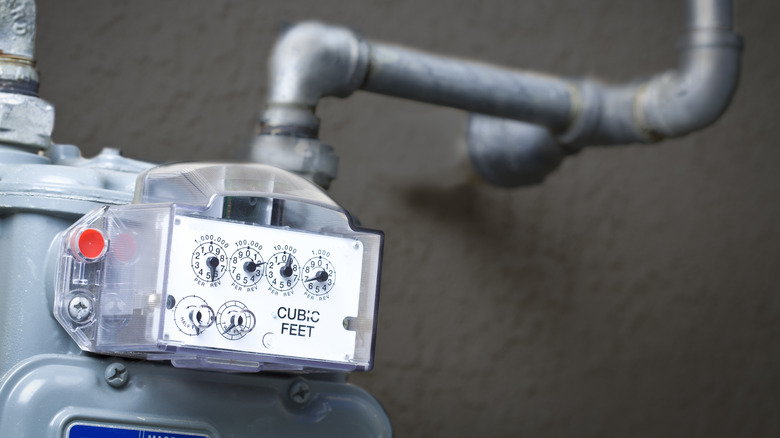
So, why is the meter such a special snowflake in this whole "who pays" saga? Because it's how the gas company measures how much gas you're using. It's their cash register, their accounting department. They need it to be accurate, functioning, and most importantly, not leaking, to ensure they're charging you correctly (and safely!).
If their equipment, which is designed to measure their product, is faulty or damaged, it's pretty much universally accepted that they're on the hook for the repairs. Phew! Right? It's like if your electric meter blew a fuse – you wouldn't be buying a new one, would you? Nope, that's the power company's job!
But Wait, Safety First!
Now, before we get too comfortable high-fiving over potential savings, let's inject a serious dose of reality. If you smell gas, at any point, near the meter or otherwise, your absolute, non-negotiable, drop-everything-and-do-it-now priority is safety.
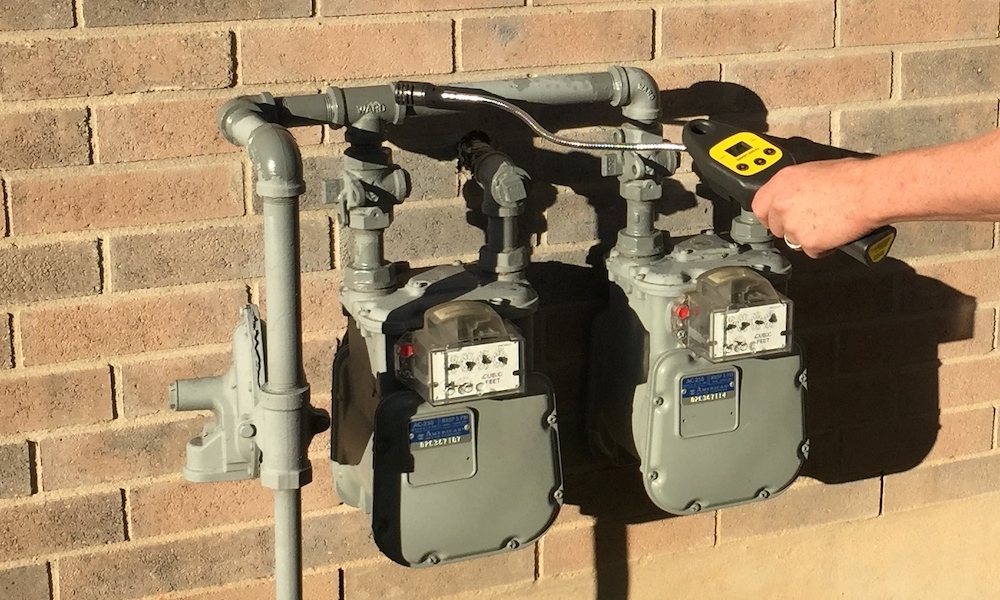
Don't try to investigate. Don't try to fix it. Don't even think about lighting a match to see where it's coming from (seriously, don't!). Get yourself and anyone else out of the house, away from the area, and then, from a safe distance, call the gas company's emergency line immediately. Like, right now. They have crews standing by 24/7 for exactly this kind of thing. And guess what? They'll come out, usually for free, to check for leaks.
It doesn't matter who pays for the fix at that moment; what matters is making sure no one gets hurt and no property is damaged. The financial stuff comes after the immediate danger is resolved.
What If It's Not Exactly the Meter?
Okay, a quick little caveat, because life isn't always a straight line, is it? Sometimes, the leak might be very close to the meter but technically on the line leading into your house. This is where things can get a smidge murky. The general rule still applies: if it's the gas company's infrastructure (the service line leading to the meter, the meter itself), they pay. If it's your service line after the meter, going into your home, that's usually your responsibility.
But here's the beauty of calling them first: they'll identify the leak and tell you where it is. If it's on their side, they'll fix it. If it's on your side, they'll usually shut off the gas (for safety, of course) and tell you that you'll need to call a plumber or a licensed gas contractor to make the repairs.
So, while the "at the meter" rule is a pretty good bet for your wallet, always confirm with the professionals.

The Bottom Line (Pun Intended!)
When you hear "gas leak at the meter," you can breathe a little sigh of relief on the financial front. Chances are, the cost of repair won't be coming out of your pocket. It's the gas company's job to maintain their measuring device and the pipes leading to it.
But remember, the very first, most crucial step is always, always, always to prioritize safety and call the pros. They'll figure out the "who pays" bit once everyone is safe and sound.
Now, go forth, enjoy your gas-powered stove (safely!), and maybe treat yourself to an extra shot in that coffee. You just learned a little something that could save you a hefty bill someday!