
Gallons In A Barrel Of Oil
Okay, picture this: I was once trying to figure out how much paint I needed for a ridiculously ambitious DIY project. And naturally, I got lost in a sea of gallons, liters, quarts, and some obscure unit the guy at the hardware store mumbled about called a "firkin" (yes, really!). My brain was practically doing somersaults trying to convert everything. It’s enough to make you just want to throw your hands up and go back to watching cat videos, isn’t it?
That little moment of unit-related chaos got me thinking about other measurements that just seem... well, quirky. And none, perhaps, is quite as famously quirky as the good old barrel of oil. You hear about it all the time on the news, right? "Oil prices are up to $X a barrel!" But have you ever actually stopped to wonder, like I did with my paint, just how many gallons are actually in that thing? It’s not as straightforward as you might think, my friend.
The Big Reveal: It’s Not Just "A Barrel"
Prepare yourself, because here's the answer that might surprise you, especially if you pictured an actual, physical barrel full of gooey crude: a standard barrel of oil is, by international agreement, exactly 42 US gallons. Yep, forty-two. Not 40, not 50, but a very specific 42. Intriguing, right?
Must Read
Now, you might be thinking, "Why 42? Is it some sort of Hitchhiker's Guide to the Galaxy answer to the meaning of life, the universe, and everything?" (Bonus points if you got that reference!). While it's a fun thought, the actual reason is a bit more grounded in history, and frankly, a whole lot more charmingly chaotic.
A Wild West of Oil and Barrels
Cast your mind back to the mid-19th century, specifically the early oil boom in Pennsylvania, USA. This was before any real standardization. Oil prospectors were literally hauling crude oil in whatever barrels they could get their hands on. You had whiskey barrels, fish barrels, wine barrels – all sorts of sizes. This meant prices and quantities were all over the map, leading to a lot of confusion and, let's be honest, probably a fair bit of shady dealing. Imagine trying to run a global economy like that! It was a mess, to say the least.

Some common barrel sizes back then were 40 gallons, but also 42 gallons, and sometimes even larger. The problem was, when you bought a "40-gallon barrel" and shipped it, you often lost some to leakage or evaporation. So, savvy merchants and producers started giving an extra couple of gallons, essentially a "buffer," to ensure the buyer actually received at least 40 full gallons. Generous, right? It was a kind of early customer service, or perhaps just a smart business move to avoid disputes.
By 1866, the producers in Pennsylvania officially adopted the 42-gallon barrel as their standard. It stuck. Why? Well, it likely offered a good balance between a common existing size and that convenient allowance for spillage and expansion (oil expands and contracts with temperature, you know). And just like that, a historical quirk became a global standard. Pretty neat, huh?
Why We Still Talk in Barrels (and Not Liters!)
In a world that increasingly uses the metric system, you might wonder why the oil industry clings to this rather antique unit. Good question! It’s partly tradition, partly convenience, and partly just... well, inertia. When you've built an entire global commodity market around a single, universally understood unit, changing it becomes a monumental task. Every contract, every price quote, every historical data point is based on the 42-gallon barrel.
For those of you who, like me, prefer your numbers in liters, 42 US gallons translates to approximately 158.987 liters. Let's just round that up to about 159 liters for simplicity's sake. So, next time you hear "a barrel," you can instantly think "roughly 159 liters of crude oil." You're practically an oil market analyst now!
The Invisible Barrel: It’s a Unit, Not a Container
Here's another crucial point, and it's where the mental image of a physical barrel can trip you up. While oil used to be shipped in actual barrels (made of wood, then steel), it really isn't anymore. Today, crude oil travels in massive pipelines, supertankers, and huge rail cars. You're not going to see workers hand-rolling 42-gallon barrels onto a ship at a modern oil terminal. The "barrel" today is almost entirely a unit of measurement, a linguistic shorthand, much like how a "dozen" is 12, regardless of whether it's eggs or donuts.
So, when you hear about millions of barrels of oil being produced or consumed, it’s not millions of physical containers. It's simply a way to quantify vast volumes of liquid gold using a universally accepted, if historically quirky, standard. It’s like a secret handshake among economists and energy traders.

Why Should You Care?
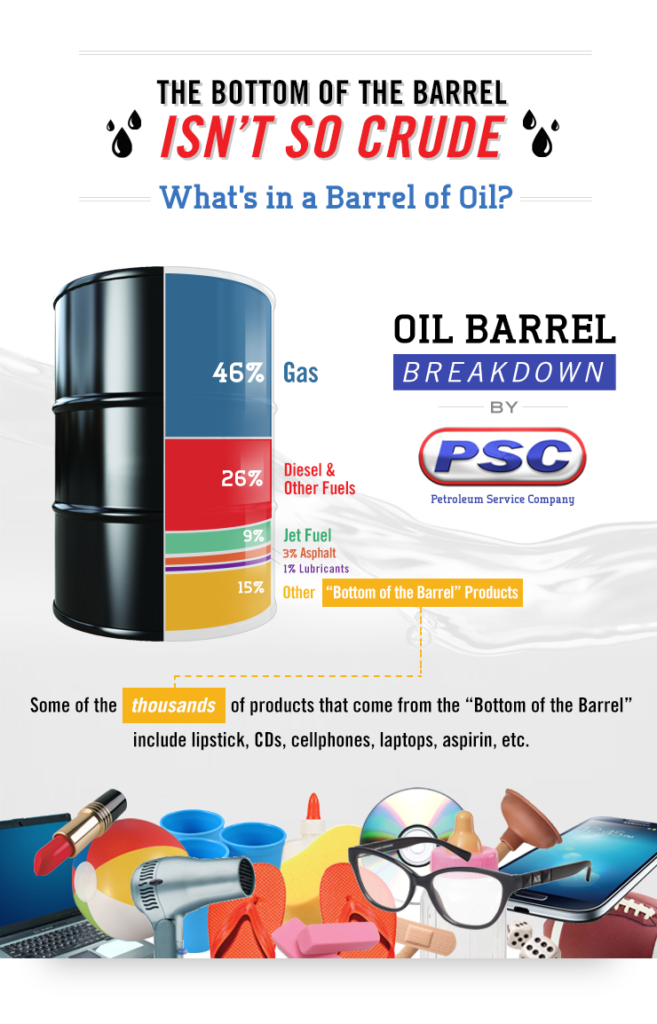
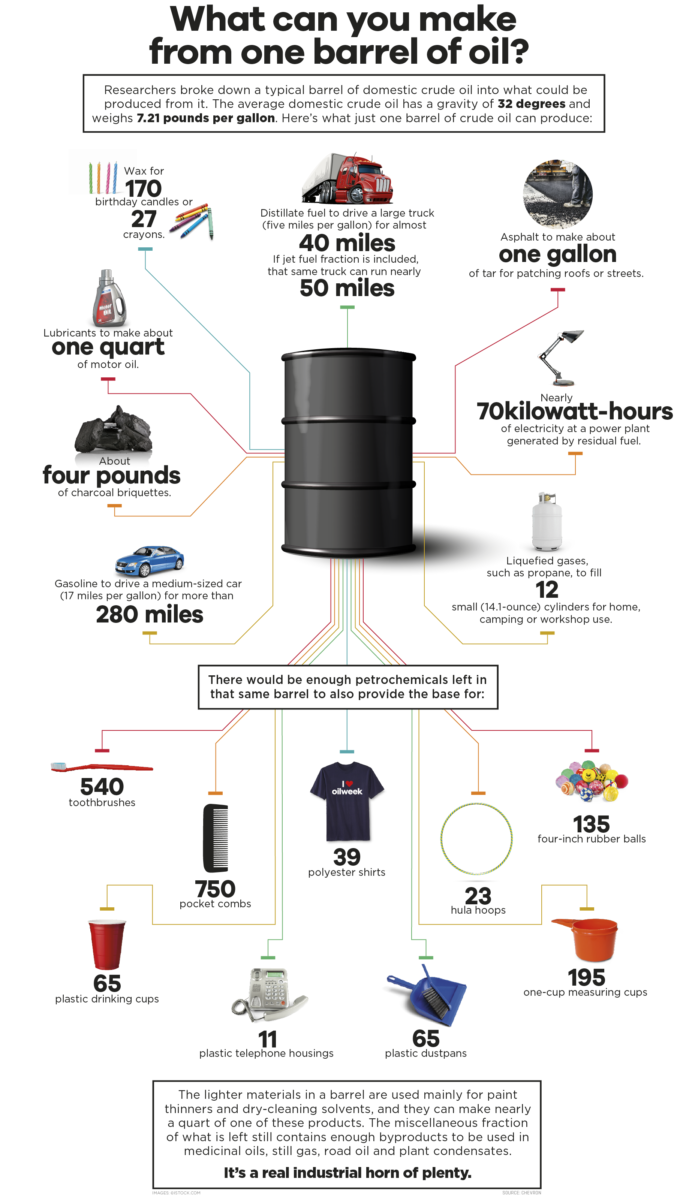
Knowing this little tidbit actually makes understanding global economics a tiny bit more accessible. When you hear about fluctuations in oil prices per barrel, you now have a concrete idea of the volume being discussed. You can connect that 42-gallon figure to the fuel in your car, the plastics in your life, and the energy that powers our world. It’s not just an abstract number anymore; it's a measurable quantity of a resource that affects us all.
So, there you have it! The next time you're chatting with friends, or perhaps even trying to impress someone at a dinner party (you're welcome!), you can confidently drop the knowledge bomb: a barrel of oil is 42 US gallons, thanks to some enterprising 19th-century Pennsylvanian oilmen. Who knew history could be so... well, full of fascinating facts?
Stay curious, folks!