
Flip-chip Packages And Chipped Acceptance Criteria
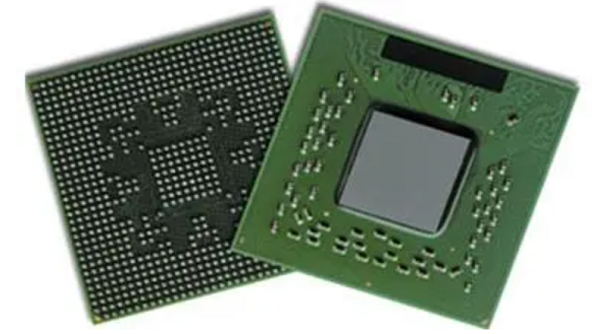
Hey there, tech enthusiast! Ever wondered what's under the hood of your sleek gadgets? Today, we're diving into the fascinating world of flip-chip packages and their oh-so-important acceptance criteria. Buckle up; it's gonna be a chip-tastic ride!
Flip-Chips: Not Your Average Potato Chip
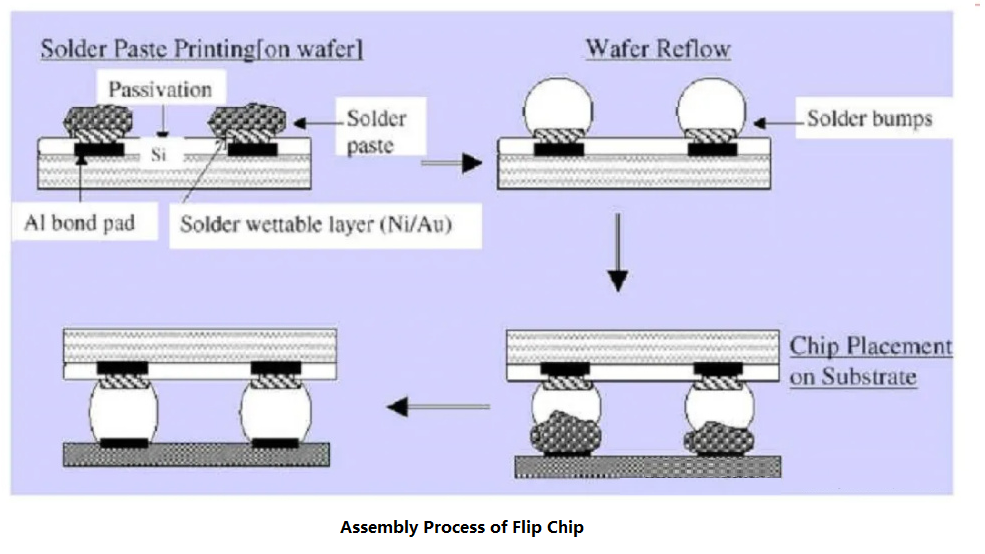
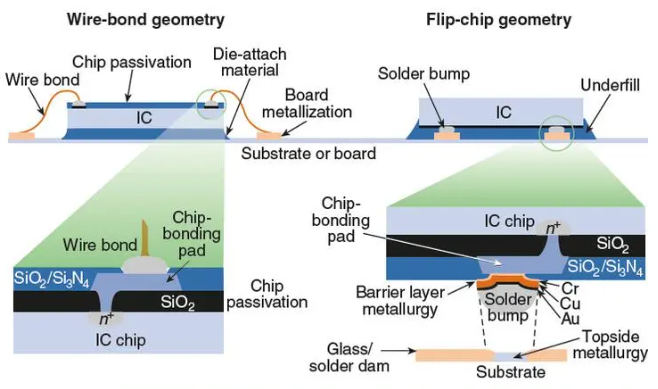
First things first: what exactly is a flip-chip? Imagine your regular microchip. Usually, it's connected to the circuit board with tiny wires, right? Well, a flip-chip turns that idea on its head! Instead of wires, it uses tiny little solder bumps directly on the surface of the chip to connect to the board. Think of it like sticking little feet onto the chip's face! This way, the chip gets "flipped" upside down onto the board. Hence, the name! Clever, huh?
Why do we even bother flipping chips? Well, lots of reasons! For starters, it's way more efficient at transferring heat. Think about it: shorter connections mean less resistance, which means less heat buildup. Also, these flip-chips offer superior electrical performance and can handle a ton more inputs and outputs. Plus, they're generally smaller, which is fantastic for squeezing more power into less space - perfect for those ultra-slim smartphones!
Must Read
Chipped Acceptance Criteria: Making Sure It's Not a Dud
Okay, so we've got our fancy flip-chip. But how do we know it's actually good? That's where acceptance criteria come in. These are like the quality control police, ensuring that every flip-chip meets specific standards before it gets shipped off to power your devices.
Imagine you're baking cookies. You wouldn't want to sell cookies that are burnt to a crisp or still raw in the middle, would you? Nope! You'd have some "cookie acceptance criteria" like, "must be golden brown," or "must be chewy, not crunchy." Same deal with flip-chips, only the stakes are a tad higher than a bad batch of cookies (unless you're REALLY hungry).
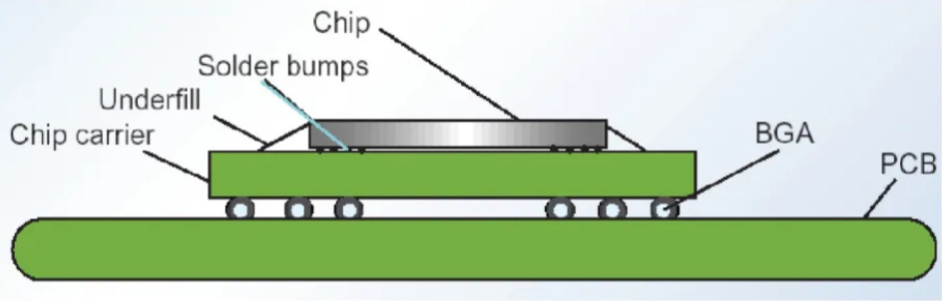
So, what kind of things do these acceptance criteria look at? Well, here's a sneak peek:
- Solder Bump Quality: Are the solder bumps the right size and shape? Are they properly aligned? We don't want any wonky bumps causing connection issues!
- Underfill: This is a special material that fills the space between the chip and the board. It protects the solder bumps and helps manage thermal stress. Making sure it's applied correctly is crucial. No gaps or bubbles allowed!
- Electrical Performance: Does the chip perform as expected? Are all the circuits working correctly? Testing, testing, 1, 2, 3!
- Mechanical Integrity: Can the chip withstand the rigors of manufacturing and use? Think of drop tests, temperature cycling, and vibration tests. We need to make sure it's tough enough to handle the real world.
Essentially, every aspect of the flip-chip's construction and performance is scrutinized. If it doesn't meet the specified criteria, it gets rejected. It's a tough life being a flip-chip!
Why All This Fuss?
You might be thinking, "Wow, that sounds like a lot of work!" And you're right, it is! But it's essential for ensuring the reliability and performance of our electronic devices. Think about it: a faulty flip-chip could lead to anything from a glitchy smartphone to a critical failure in medical equipment. Yikes!
By setting stringent acceptance criteria, manufacturers can minimize the risk of defects and ensure that we, the consumers, get high-quality, dependable products. It's all about peace of mind, really.
Think of it this way: those acceptance criteria are like the superhero cape for your electronic gadgets. They're working behind the scenes, protecting your devices from disaster! Okay, maybe that's a bit dramatic, but you get the idea.
The Takeaway: Flip-Chips and Happiness
So, there you have it! A whirlwind tour of flip-chip packages and their acceptance criteria. It's a complex world, but hopefully, this little chat has shed some light on what makes your gadgets tick (or flip!). Next time you're marveling at the power of your smartphone, remember those tiny flip-chips working hard inside, and the rigorous testing they've undergone to make sure they're up to the task.
Isn't it amazing how much engineering and quality control goes into something so small? The world of electronics is truly a marvel, and it's constantly evolving and improving. So keep exploring, keep learning, and keep appreciating the technology that surrounds us! And remember, even if your chips aren't "flipped," they're still contributing to the digital symphony of your life!
