First Energy Cost Per Kwh
Alright, so picture this: You’re casually scrolling through your phone, maybe doomscrolling on a Tuesday evening, when ding – an email notification pops up. It's from your utility provider. Your monthly bill. You know the feeling, right? That little jolt of dread, followed by the deep breath you take before clicking it open, half-expecting a number that will make your eyes pop out.
Last month, for me, it was particularly jarring. I'd been so careful! Turned off lights, unplugged chargers, practically wore a blanket indoors instead of touching the thermostat. Yet, there it was: a number that seemed to laugh in the face of all my diligent efforts. And then my eyes drifted to the real culprit, the tiny print that often gets overlooked: the cost per kilowatt-hour, or kWh. Suddenly, it clicked. It wasn't just how much I used, but what I was being charged for each little zap of electricity.
And that, my friends, is where we dive into the fascinating (and sometimes frustrating) world of your First Energy bill. Specifically, what on earth they're charging you for each precious kWh. Because let's be real, understanding that number is like holding the secret decoder ring to your entire energy budget. You in?
Must Read
Demystifying Cost Per Kwh (or what it actually means)
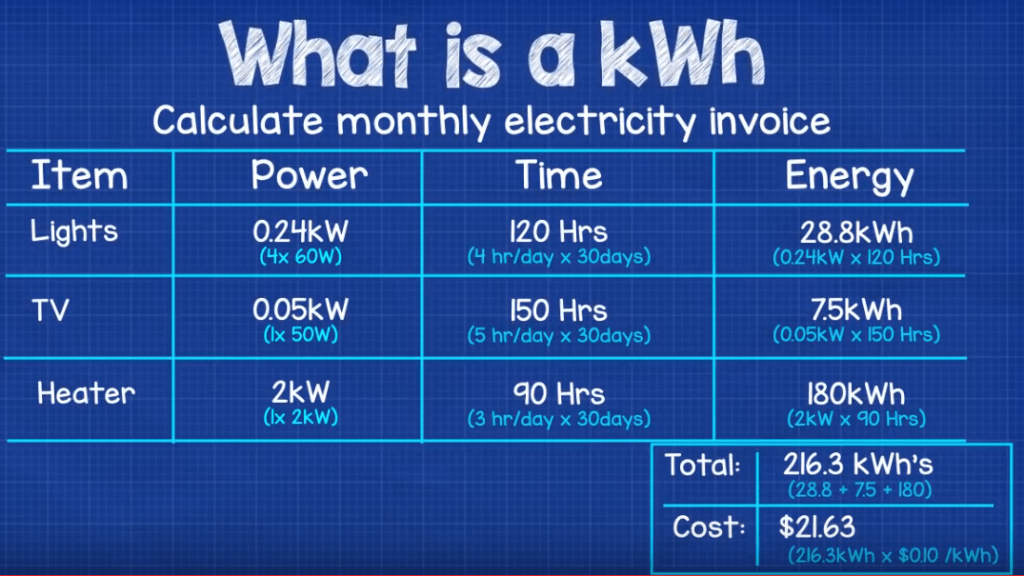
So, what exactly is a kWh? Think of it this way: a kilowatt-hour is simply a unit of energy. If you leave a 100-watt light bulb on for 10 hours, you've used 1 kWh. Run a 1000-watt (1kW) microwave for an hour, that's also 1 kWh. It’s the standard measure for how much juice your gadgets, appliances, and HVAC system consume.
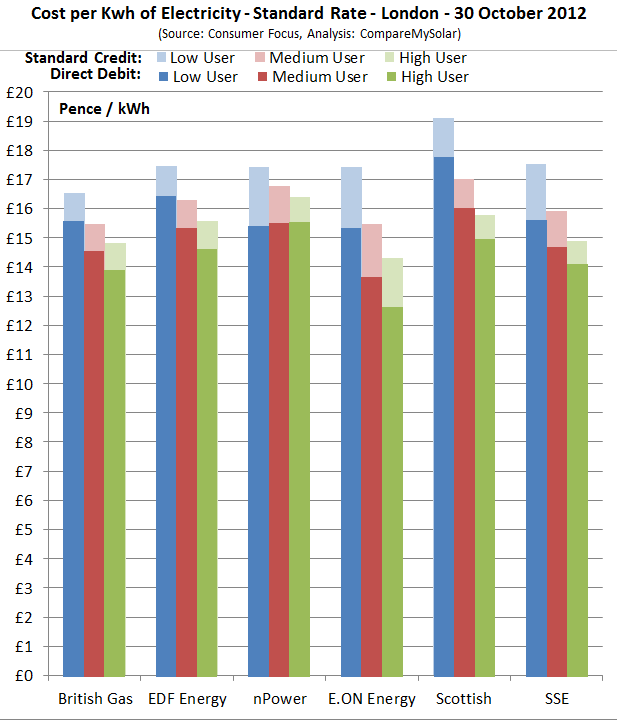
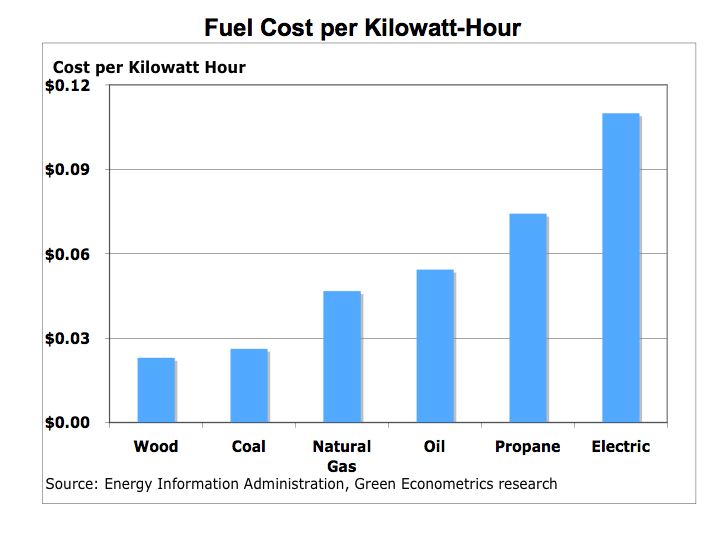
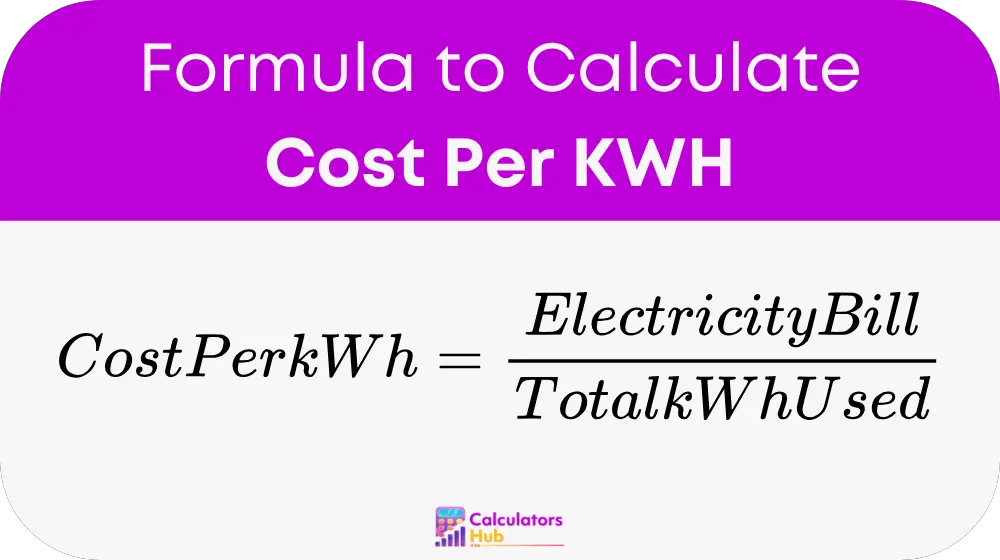
The cost per kWh is exactly what it sounds like: the price you pay First Energy for each one of those kilowatt-hours you use. It's the baseline number that dictates the bulk of your bill. But here's the kicker: it’s almost never a single, simple number that applies to everyone, everywhere, all the time. Oh, if only it were that easy, right?
First Energy: A Closer Look at Your Number
Now, when we talk about First Energy, it's important to remember they're a huge company with several operating companies under their umbrella (like Ohio Edison, Penelec, JCP&L, West Penn Power, etc.). This means your exact cost per kWh will vary based on where you live within their service territory, and even what kind of rate plan you're on.
So, how do you find your specific number? The easiest way is to grab your latest First Energy bill. Seriously, go get it. Look for a section that breaks down your charges. You'll often see a "Supply" or "Generation" charge, which is where the cost of the actual electricity itself is listed, usually in cents per kWh. You might also see "Transmission" and "Distribution" charges, which are for getting that electricity to your home. Sometimes these are combined, sometimes they're separate line items, each with its own per-kWh rate. It’s a treasure hunt!
Another great place to check is your online First Energy account. Most utility companies have a detailed breakdown there, often with historical usage data and your current rates clearly displayed. If all else fails, a quick call to customer service can clear things up. Don't be shy; it's your money!
Why Your Rate Plays Hard to Get (and Changes Its Mind)
Why isn't it just a static, simple number? Ah, my curious friend, welcome to the magical land of utility billing! Your cost per kWh isn't just about the electricity itself. It's influenced by a cocktail of factors:
- Market Prices: The wholesale price of electricity fluctuates based on demand, fuel costs (natural gas, coal, renewables), and even the weather. First Energy buys power on these markets, and those costs are passed on.
- Generation Charges: This is the actual cost of producing the electricity.
- Transmission Charges: The cost of moving electricity over high-voltage lines from power plants to your local area.
- Distribution Charges: The cost of maintaining the local wires, poles, and transformers that bring power directly to your home. Think of it as the "last mile" delivery fee.
- Riders and Surcharges: These are additional fees approved by state utility commissions for specific programs, infrastructure upgrades, or environmental initiatives. They add pennies (or more!) to your per-kWh rate.
- Time of Use (TOU) Rates: Some plans charge different rates depending on the time of day you use electricity (e.g., higher during peak evening hours, lower overnight). Are you on one of these? Check your bill!
Because of all these moving parts, your average cost per kWh can change month to month, or at least annually. It’s almost like First Energy wants to keep us on our toes, right? (I'm being ironic, but also, seriously?)
So, What Can You Do About It?
Now that you're armed with this crucial knowledge, what's next? Don't just sit there lamenting the complexity! Be proactive:
- Read Your Bill: I know, I know, it's boring. But seriously, commit to giving it a thorough read once a month. Understand each line item.
- Track Your Usage: Many First Energy operating companies offer online tools to see your daily or even hourly electricity consumption. This is incredibly powerful for identifying patterns and waste.
- Energy Efficiency: The less electricity you use, the less you pay, regardless of the rate. Think LED lights, smart thermostats, unplugging phantom loads. Every little bit truly helps.
- Explore Rate Plans: In some deregulated areas, you might have options to choose a different electricity supplier (the generation portion of your bill), potentially locking in a lower rate. Even within First Energy, there might be different plans.
Understanding your First Energy cost per kWh isn't just about scrutinizing a number; it's about taking control of your energy consumption and, ultimately, your budget. So go forth, my friend, and be an informed energy consumer!