
First Alert Smoke And Co Detector 3 Beeps
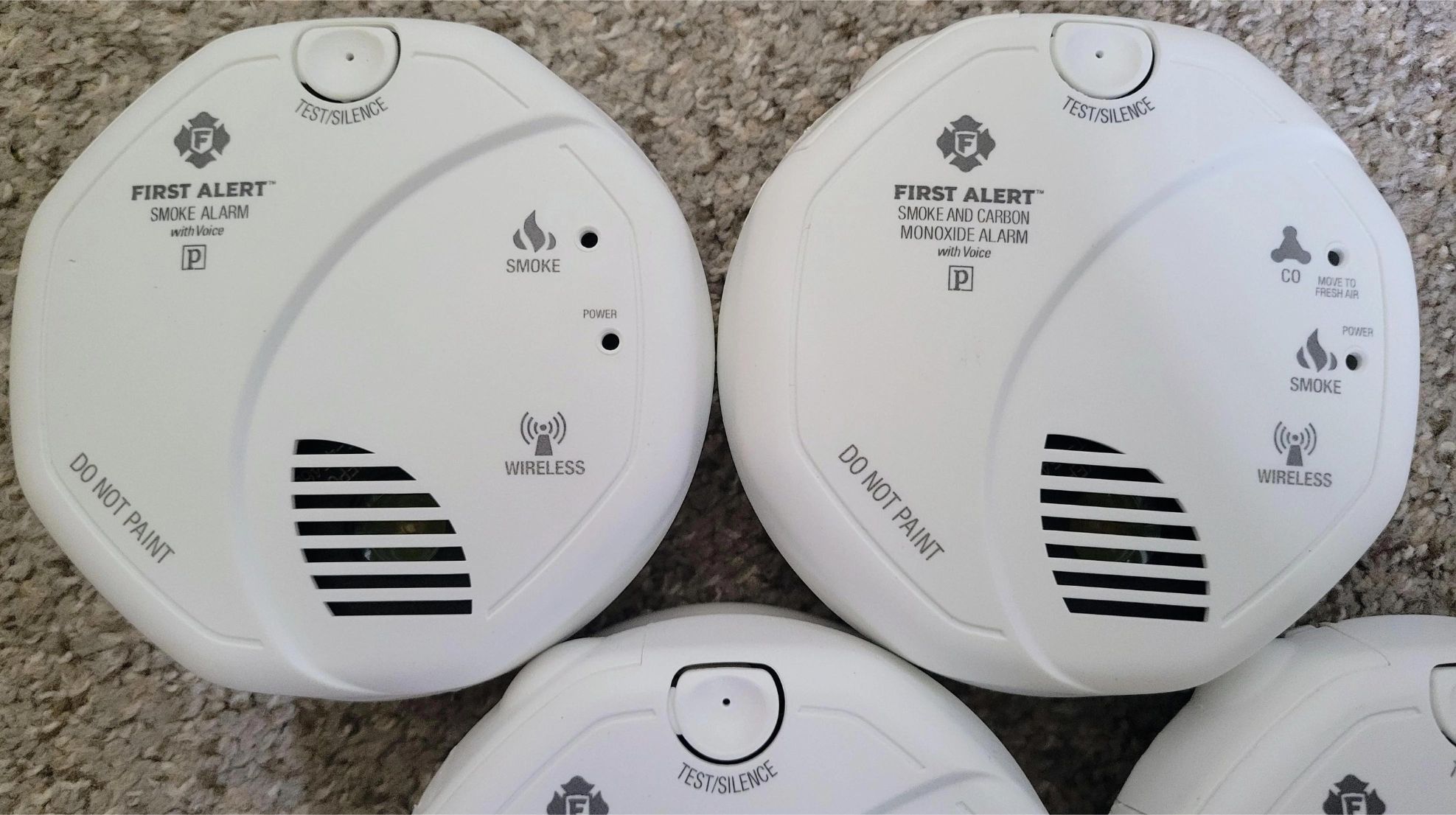
Picture this: It's 2 AM. You're deep in the sacred slumber of a truly exhausting Tuesday. Suddenly, a sound tears through the quiet of your home. Not the gentle hum of the fridge, not the cat batting at something invisible, but a series of sharp, insistent chirps. Beep-beep-beep. Pause. Beep-beep-beep. Your heart, bless its overachieving little muscle, goes from zero to "Oh God, what fresh hell is this?" in approximately 0.7 seconds. You know the drill, right?
You stumble out of bed, eyes glued shut, convinced the house is either on fire or about to fall apart. You fumble for your phone, ready to dial 911, but then you realize... it's not the continuous shriek of a smoke alarm. It's those three specific, infuriating, rhythmically spaced beeps. And if you have a First Alert detector, like a lot of us do, your brain immediately starts cycling through the possibilities: "Is it low battery? Is it actually smoke? Am I just dreaming this torture?"
The Mystery of the Three Beeps Unraveled (Finally!)
Okay, let's clear up this middle-of-the-night mystery once and for all. If your First Alert Smoke and CO Detector is belting out those three insistent beeps (beep-beep-beep... pause... beep-beep-beep), listen up because this is super important. It's usually not a low battery chirp (that's typically a single, drawn-out chirp every minute or so). And it's usually not a smoke alarm (that's a continuous, ear-splitting shriek). Drumroll please...
Must Read
Those three beeps, my friend, are your First Alert detector's way of telling you it's detected carbon monoxide (CO). Yeah, you read that right. CO. The silent, invisible, odorless killer. Suddenly, those annoying chirps don't seem so annoying, do they? They're actually a crucial warning.
I know, I know. It's easy to get confused with all the different sounds these things make. But the three-beep pattern is generally standardized for CO alarms across many brands, including First Alert. It's like a secret code you absolutely need to decipher correctly.
Don't Panic (But Do Act Fast!)
So, you've identified the three beeps. What's next? This isn't the time to hit snooze or start poking at the detector with a broom handle (we've all been there, no judgment). This is time for immediate action.
Here’s the drill:

- Get everyone out: Seriously. If you hear those three beeps, the first thing you need to do is get yourself, your family, your pets – everyone – out of the house and into fresh air immediately. Don't waste time trying to find the source or reset the alarm. Your safety is paramount.
- Call for help: Once you're safely outside, call 911 or your local fire department. Tell them your carbon monoxide detector is alarming. They have the equipment to safely check CO levels in your home and identify the source. Do not go back inside until they tell you it's safe.
- Ventilate: If you're confident there's no immediate danger (perhaps it was a false alarm from a specific appliance, and the fire department has confirmed it's clear), you can try opening windows and doors to air out the house. But again, only do this after you've evacuated and called professionals.
Remember, carbon monoxide poisoning symptoms can mimic the flu – headaches, dizziness, nausea. You might not even realize what's happening until it's too late. That's why your detector is so vital.
The "What Now?" Aftermath (Once It's Safe!)
Okay, the crisis has passed, the fire department has given you the all-clear, and you're back inside. Now what about that chirpy culprit?
1. Check the unit's age: First Alert detectors, like all CO alarms, have a lifespan. Most last about 5-7 years, though some models go up to 10. There's often a "replace by" date printed on the back. If your unit is older than its recommended lifespan, it might be chirping because it's simply expired and needs replacement. An expired unit can give false alarms or, worse, fail to detect CO when it's present. So, give it a flip and check that date!
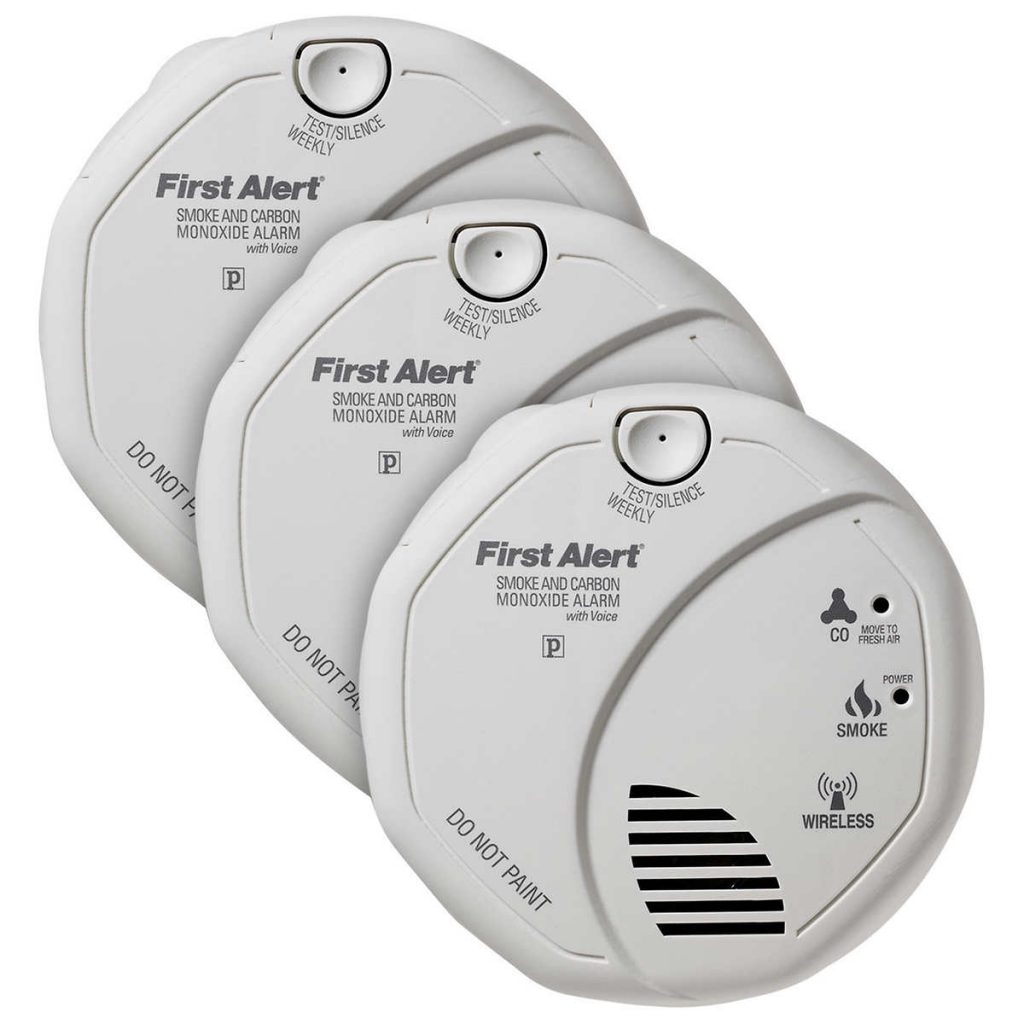
2. Test it properly: Even if it's new, give your detector a test with the test button (usually a small button marked "Test" or "T"). This confirms it's still functioning, though it won't simulate actual CO conditions, just the alarm circuit. The test sound might be different from the CO alarm sound, so consult your manual if you're curious.
3. Consider replacement: Honestly, if your detector has gone off for CO, even if it turned out to be a minor issue or a temporary spike, it's often a good idea to consider replacing it. Better safe than sorry, right? They're not terribly expensive, and they literally save lives.

4. Regular maintenance: While we're on the topic, give your detectors a quick vacuum once a month to clear dust from the sensor. And test them weekly! It takes seconds and could make all the difference. Seriously, seconds.
When in Doubt, Shout! (Or Call Your Local Heroes)
The bottom line here is simple: a three-beep pattern from your First Alert Smoke and CO detector is a critical warning for carbon monoxide. Don't ignore it. Don't dismiss it as just a "quirk." It's your house's way of yelling, "Hey! Something dangerous might be happening here!"
So next time those three beeps try to ruin your beauty sleep, remember this article. Get out, call the experts, and let them handle it. Your peace of mind (and your lungs!) will thank you. Stay safe out there, folks!