First Alert Smoke Alarm Blinking Red

Ever woken up in the middle of the night to a subtle, yet persistent, blink from your smoke alarm? Or perhaps you’ve just noticed it during your daily routine, a little red light winking at you from the ceiling. For many, that blinking red light on a First Alert smoke alarm can be a tiny mystery, sometimes even a source of mild anxiety. But here's the fun part: understanding what it means is incredibly empowering! It's not just about safety – which is, of course, paramount – but also about becoming a bit more of a household detective, deciphering the silent language of your home's most vital safety device. Learning this simple trick can turn a potential worry into a quick, confident action, giving you invaluable peace of mind.
So, why bother understanding that little red blink? The benefits are universal. For beginners and new homeowners, it means you won't panic or call an expensive technician every time your alarm sends a signal. You'll gain practical knowledge that makes you feel more in control of your living space. For families and parents, knowing the difference between a normal blink and a warning blink is crucial for ensuring the uninterrupted safety of your loved ones. No more sleepless nights wondering if something is wrong when it's perfectly fine. And even for the casual DIY enthusiast, it’s another simple skill to add to your repertoire, demonstrating that you can handle basic home maintenance tasks with ease and confidence.
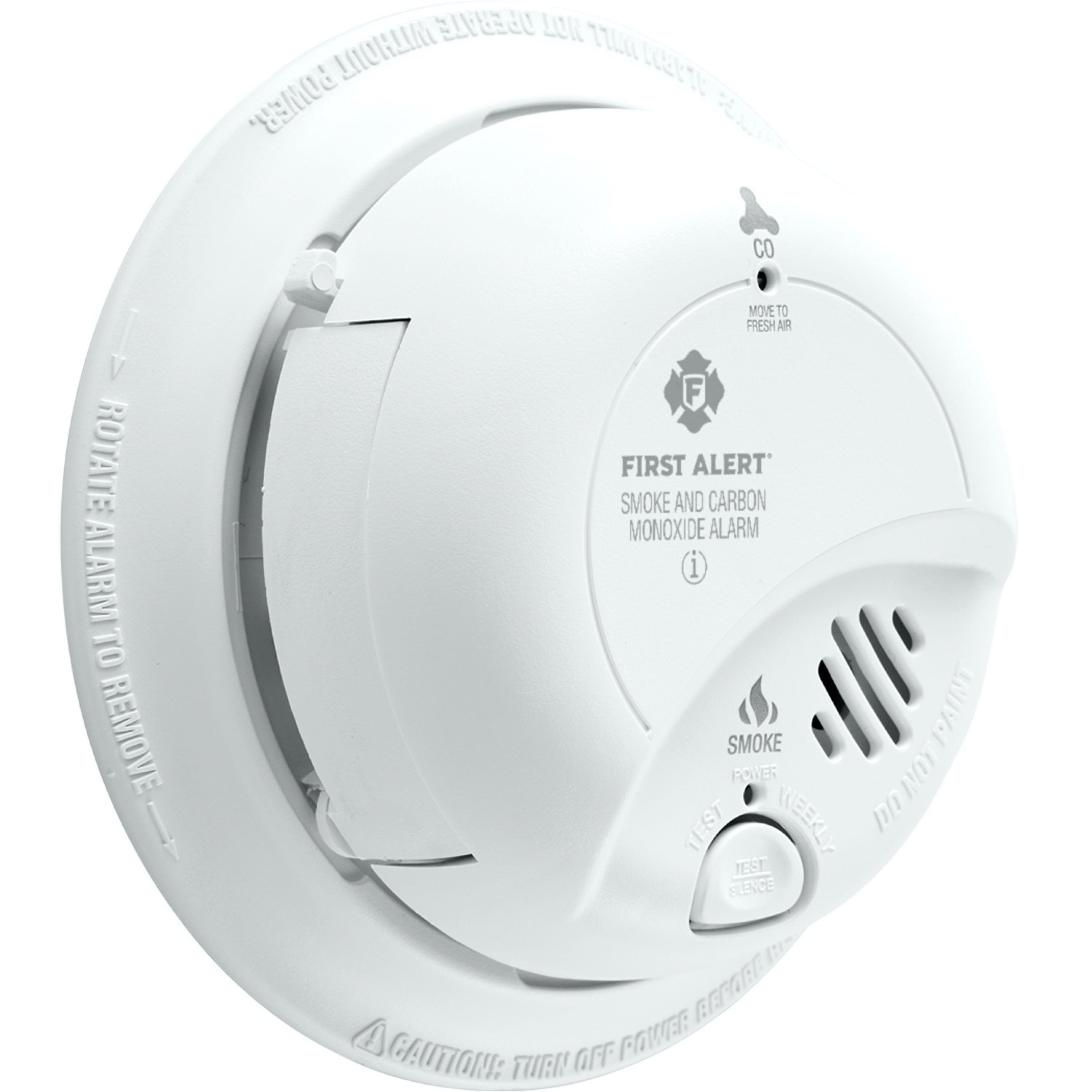
Let's demystify that blinking red light. The most common scenario for a First Alert smoke alarm is a single, brief red flash every 30 to 60 seconds. This, believe it or not, is actually normal operation! It simply indicates that the unit is powered up and performing its self-diagnostic checks. Think of it as your alarm saying, "Hey, I'm here and I'm working!" However, sometimes that blink comes with a twist. If your red light is blinking along with a chirping sound – typically one chirp every 30 to 60 seconds – that's your alarm’s way of signaling a low battery. This is the most frequent reason people notice the blinking red light as a "problem." Other less common, but important, variations include a rapid series of flashes when an actual alarm is triggered by smoke, or perhaps no light at all, which could indicate a power issue or a dead unit (especially for hardwired alarms during a power outage).
Must Read
Ready to become a smoke alarm expert? Here are some simple, practical tips:
- Identify the pattern: Is it just a single, quick flash every minute (normal)? Or is it a blink accompanied by a chirp (low battery)?
- Replace the battery: If you hear chirps, grab a fresh 9V battery (or AA/AAA depending on your model). Most alarms twist off their mounting bracket easily. Always use fresh batteries and replace them annually.
- Check the expiration date: Smoke alarms don't last forever! Look on the back or side for a "replace by" date. Most units have a lifespan of 7-10 years. If yours is expired, no amount of battery changing will fix it; it needs to be replaced entirely.
- Clean it: Dust and cobwebs can interfere with the sensor. Gently vacuum around the vents or wipe with a damp cloth.
- Test it: After any changes, press the "Test" button firmly until you hear the loud alarm. This ensures everything is working correctly.
See? That little blinking red light isn't so mysterious after all! By taking a few moments to understand its language, you're not just maintaining a device; you're safeguarding your home and your loved ones. It’s a simple piece of household wisdom that brings immense value, turning a potential moment of confusion into a confident act of care. Enjoy the comfort of knowing your home is safe and sound!