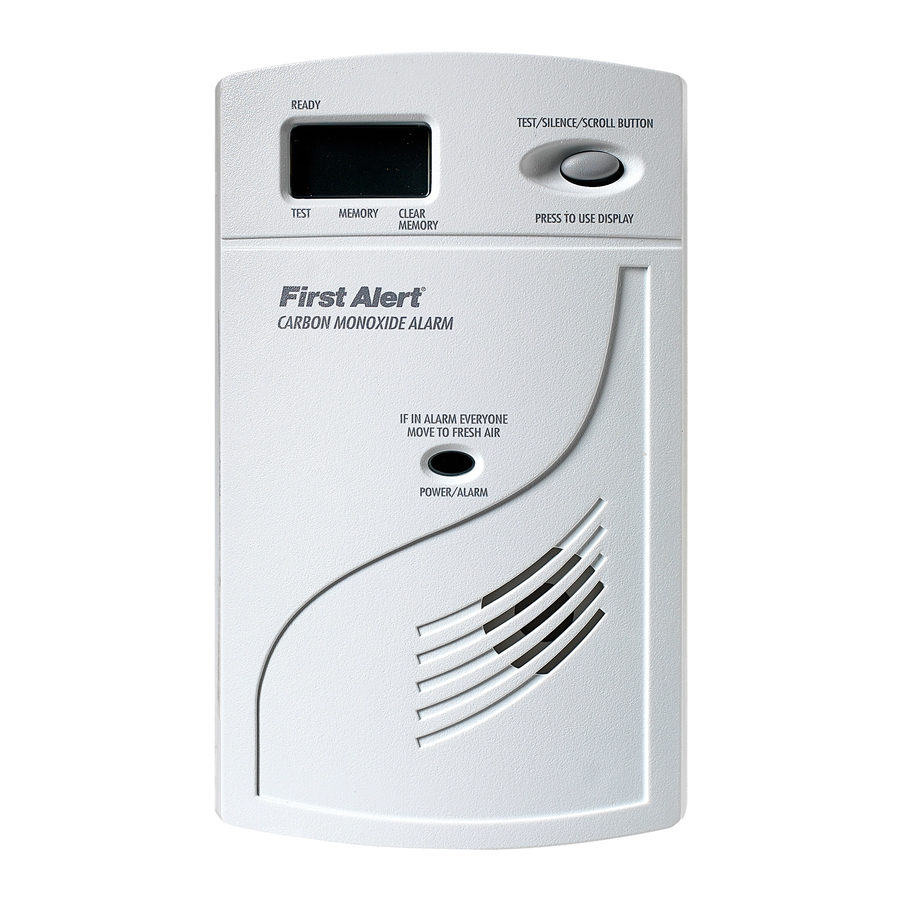
First Alert Carbon Monoxide Alarm Manual
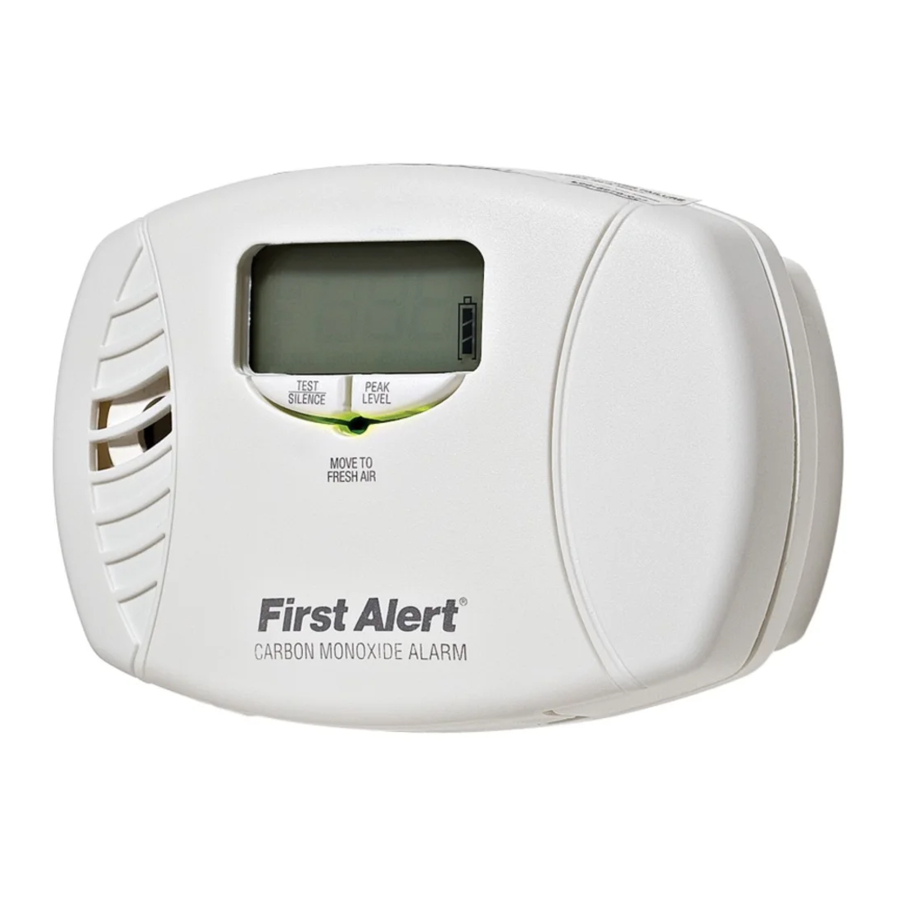
Okay, let's be real for a sec. When was the last time you excitedly unboxed a new gadget, then immediately dove into its instruction manual with glee? Probably... never? Most of us are more likely to toss it aside, confident we can figure things out by pure instinct (or, let's face it, YouTube). But what if I told you there's one manual that actually deserves a little quality time, and it’s for something that’s probably already chilling quietly in your home?
I'm talking about the First Alert Carbon Monoxide Alarm Manual. Stick with me here. This isn't about doom and gloom; it's about peace of mind, good vibes, and making sure your sanctuary stays, well, perfectly safe.
The Invisible Guest You Don't Want: Carbon Monoxide
Before we dive into the manual itself, let’s quickly acknowledge our invisible antagonist: carbon monoxide (CO). It’s the ultimate party crasher because it’s odorless, colorless, and tasteless. You literally can't detect it without help. It's a byproduct of incomplete combustion – think gas furnaces, stoves, fireplaces, car exhaust – and it can be deadly. Like, seriously deadly. Which is precisely why that little First Alert box is such a superhero.
Must Read
Your Manual: Less of a Chore, More of a Chill Read
Now, about that manual. Instead of seeing it as a boring obligation, let’s reframe it. Think of it as your personal guide to effortless home safety. It’s concise, clear, and honestly, a quicker read than binge-watching that new streaming series.
First up: Installation Nirvana. The manual will tell you exactly where to place your CO alarms for optimal protection. Hint: it’s not just one! Think one on every level of your home, especially near sleeping areas. Why? Because you want to be alerted if CO levels rise while you’re catching those precious Z’s. The instructions are usually super straightforward, often just involving a couple of screws or even a plug-in option. No advanced engineering degree required, promise!
Monthly Check-ins and End-of-Life Signals
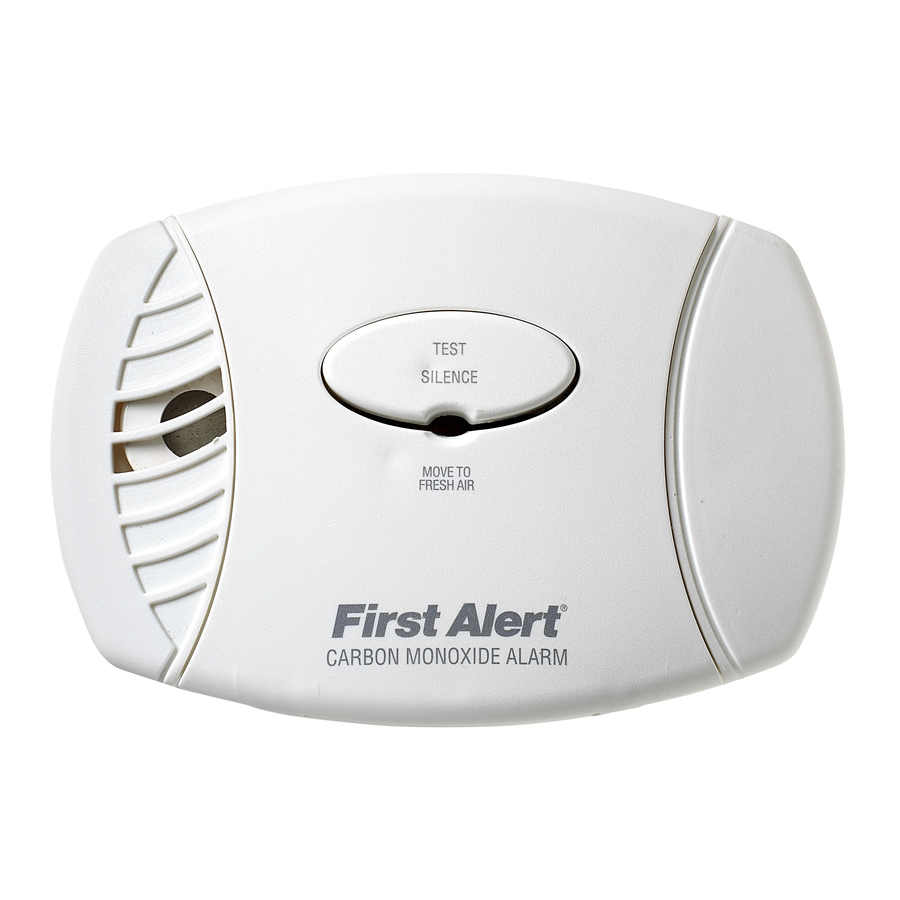
Remember that satisfying feeling of watering your plants or finally organizing your spice rack? Add testing your CO alarm monthly to that list of productive adulting wins. Your First Alert manual will walk you through it. Usually, it's just a matter of pressing a "test" button and listening for that glorious, reassuring beep. This quick check takes literally seconds but gives you heaps of confidence.
Speaking of adulting, the manual also educates you on battery maintenance and alarm replacement. Most alarms have a lifespan – typically 5 to 7 years. Your First Alert unit isn't going to send you a birthday card when it's time to retire, but it will start chirping or signaling its "end-of-life" status. The manual helps you decipher these signals, so you’re not left wondering if a ghostly cricket has taken up residence in your hallway.
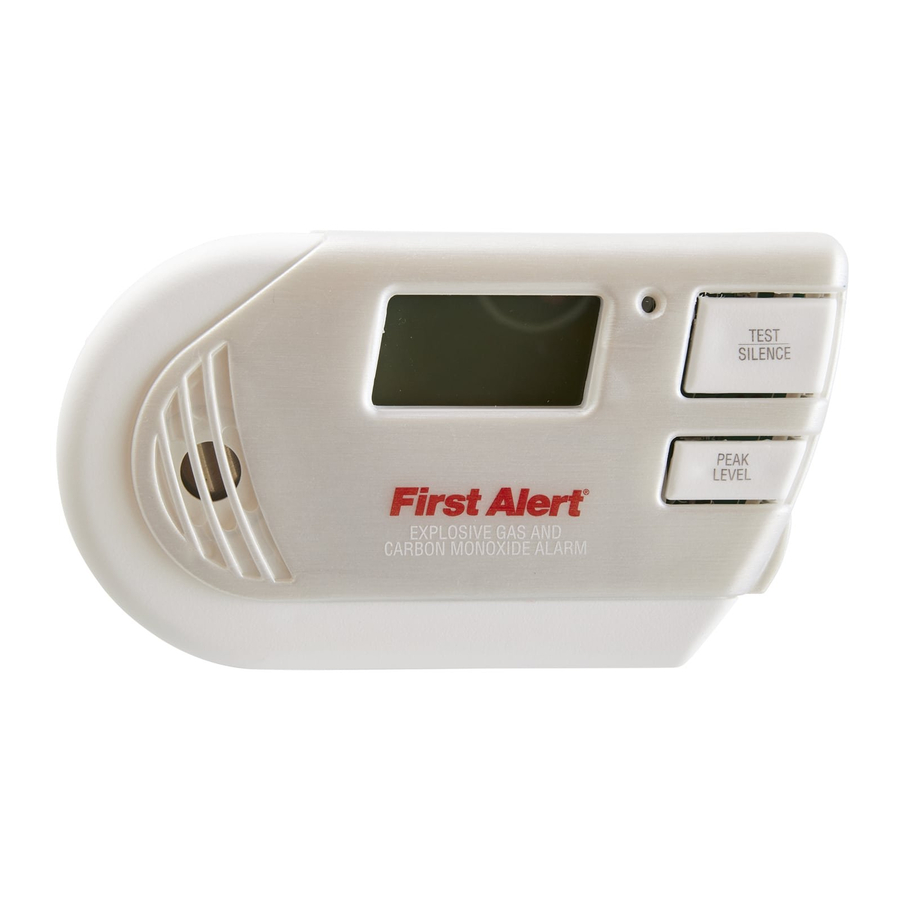
Fun Fact: Did you know that early carbon monoxide detection methods involved canaries in coal mines? Thankfully, we've evolved to much more sophisticated, canary-free technology!
Decoding the Beeps: Troubleshooting Made Easy
Let's face it, sometimes electronics speak in mysterious tones. If your alarm starts beeping unexpectedly or flashing in a way you don't recognize, don't panic. The First Alert manual has a handy troubleshooting section. It’s like having a tech support guru right there on paper, explaining what different beeps and light patterns mean. Is it a low battery alert? A true CO event? Or just a sensor malfunction? The manual helps you distinguish, so you can respond appropriately and without unnecessary stress.
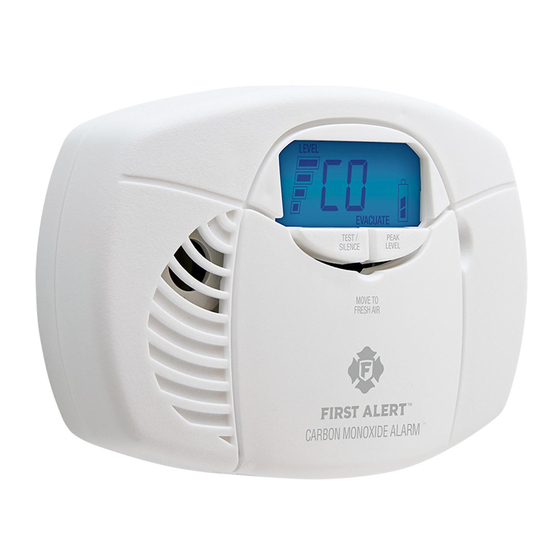
Think of it as the ultimate cheat sheet for keeping your home's air quality on point, letting you focus on the important things, like perfecting your avocado toast or finally learning to knit that scarf.
Living Your Best, Safest Life
So, next time you see that sleek First Alert Carbon Monoxide Alarm nestled in its packaging, remember it’s not just a plastic box. It’s a silent guardian, and its manual is your key to unlocking maximum protection with minimal fuss. Taking a few moments to understand how it works isn't just responsible; it's empowering. It’s about creating a living space where you can genuinely relax, knowing you've taken simple, effective steps to safeguard yourself and your loved ones from unseen dangers.
Because ultimately, a well-read manual translates into a well-protected home, and that, my friends, is the foundation for truly living your best, most comfortable, and safest life.