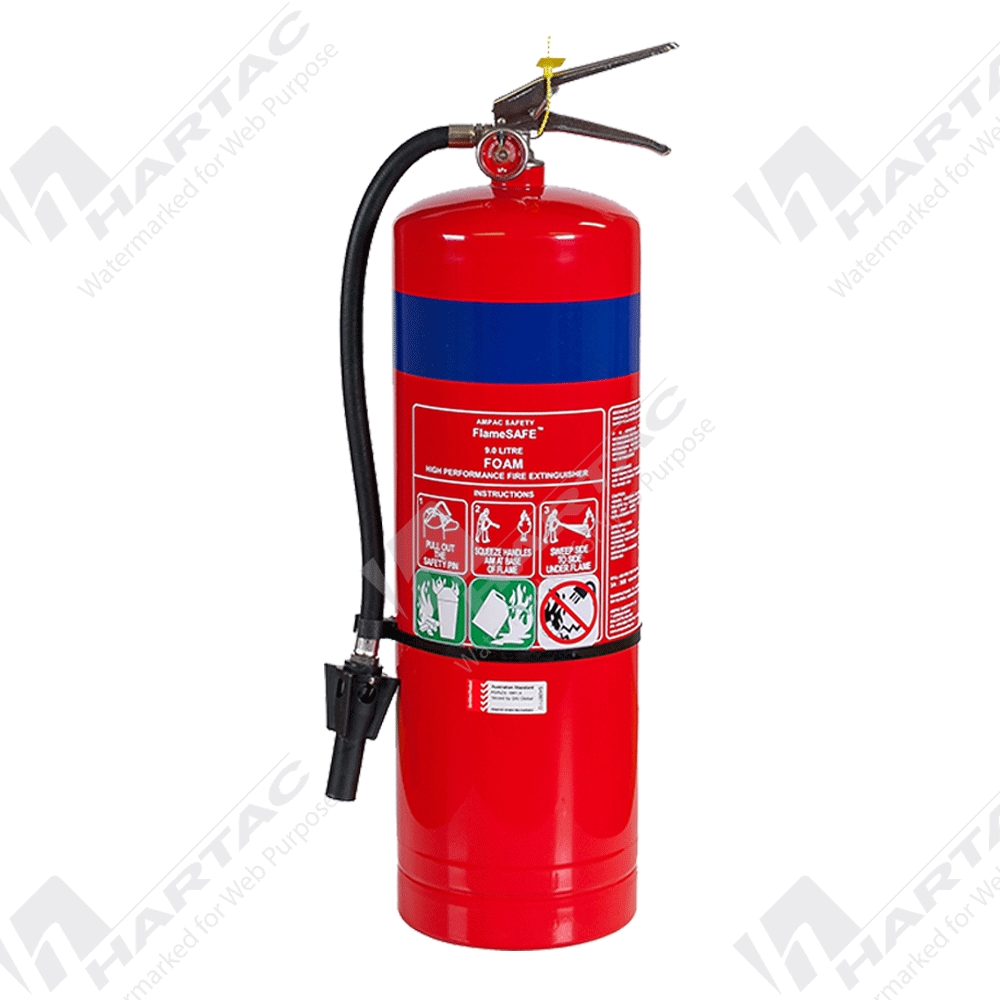
Fire Extinguisher For Wood Paper Fabric
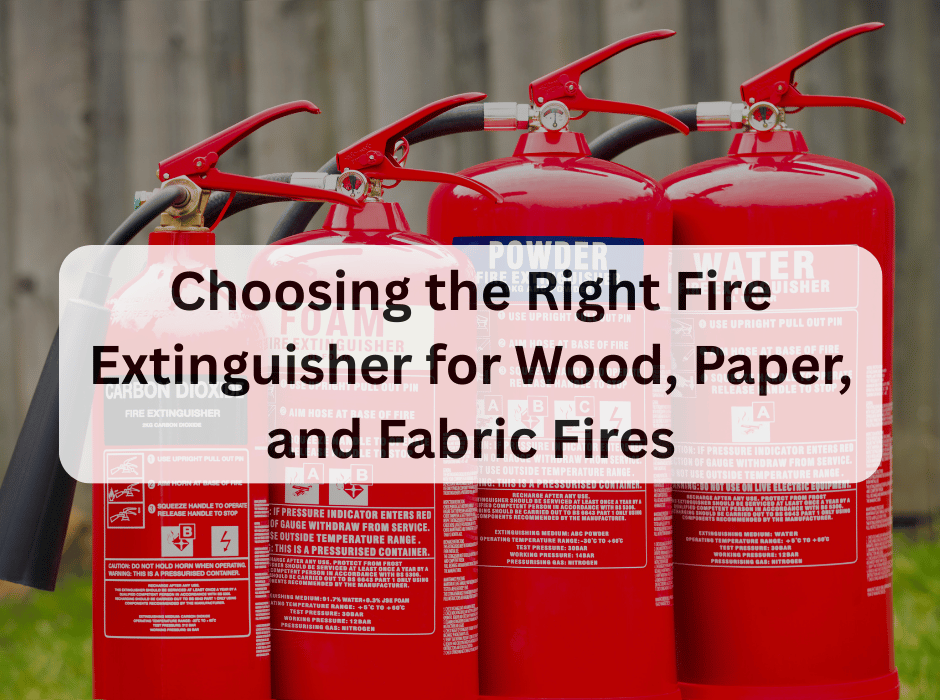
Alright, settle in, grab your metaphorical (or actual, I’m not judging) cup of coffee, because we're about to talk about something that's usually as exciting as watching paint dry, but is secretly a total rockstar: the fire extinguisher designed for wood, paper, and fabric.
You know that moment, right? You’re trying to bake a fancy new dish, or maybe just toast some bread, and suddenly there’s a little wisp of smoke. Then a flicker. Then, before you can even properly panic, a tiny inferno is having a dance party in your kitchen. Or perhaps you were really feeling ambitious with a craft project, got a little too close with the hot glue gun, and suddenly your carefully constructed papier-mâché dragon is, ironically, breathing real fire. These are the moments when your heart does a little tap dance of terror.
This isn't about the raging infernos you see in movies, mind you. We're talking about the everyday Oopsie-Daisies – the forgotten candle, the overloaded surge protector next to your laundry basket, the stack of old newspapers that got a bit too cozy with a space heater. And for these very specific, very common, and potentially very costly little blazes, there's a specific hero: the Class A fire extinguisher.
Must Read
Meet Your Watery Wingman (and sometimes Chemical Buddy)
So, what exactly is a "fire extinguisher for wood, paper, fabric"? Sounds a bit like a highly specialized laundry detergent, doesn't it? But really, it’s designed to tackle what fire professionals call Class A fires. Think of anything that was once alive and can now burn to ashes. Your wooden table, that stack of bills you keep meaning to pay, your favorite comfy armchair, the curtains that looked so good until... well, you get the picture. If it leaves an ash, it's probably a Class A fire.
The most common type you'll encounter for these blazes is, surprisingly, often just plain old water! Yes, the stuff you drink, shower with, and accidentally spill on your keyboard. Water works by cooling the burning material below its ignition temperature. It's like giving the fire a really cold, wet blanket. Imagine trying to stay warm when someone keeps dousing you with icy water. Not fun for the fire, very fun for you not having your house burn down.
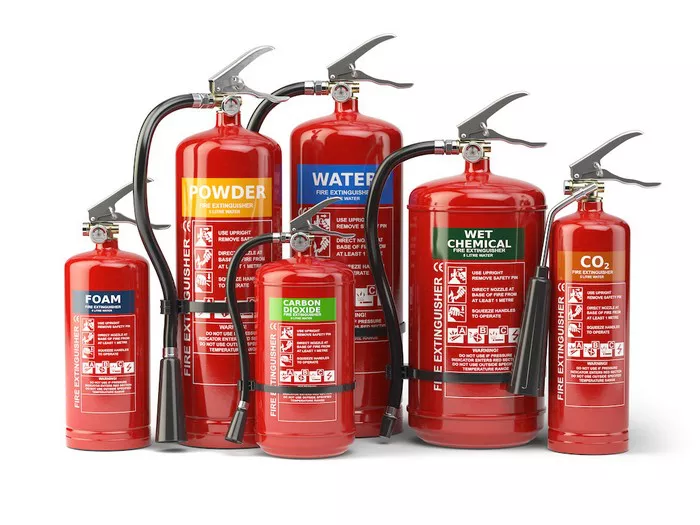
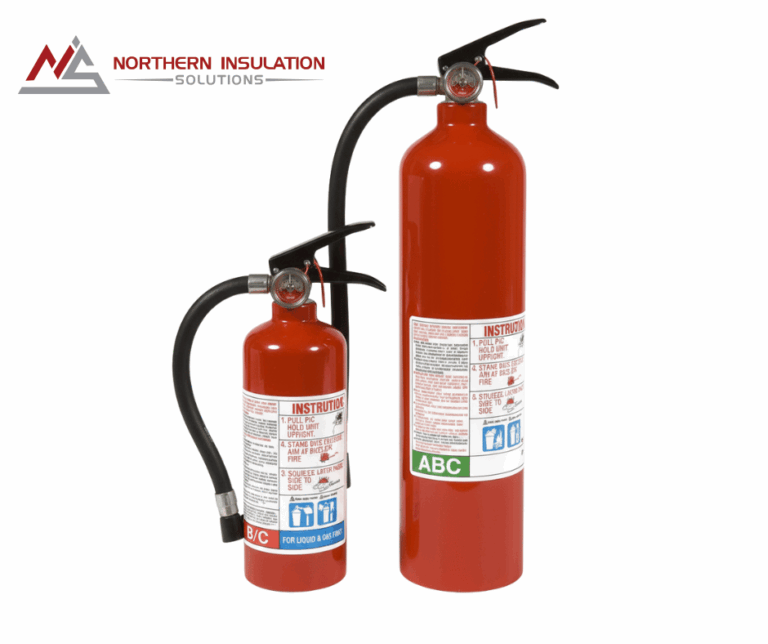
Now, sometimes you'll also find a multi-purpose ABC dry chemical extinguisher. While these handle a wider range of fires (including our Class A friends), they can be a bit messier. For pure wood, paper, fabric, water is often the star. It's simple, effective, and less likely to leave you with a powdery mess that makes your living room look like a giant baby changing station.
Why These Fires Are Sneakier Than You Think
You might think, "Oh, a little paper fire, I'll just stomp it out!" And yes, for a really tiny one, you might. But Class A fires, especially those involving fabric or deep-seated materials like mattresses, can be surprisingly persistent and dangerous. They can smolder for ages, just waiting for the right moment to flare back up, like a villain in a horror movie who just won't stay down.
Here’s a fun (and slightly terrifying) fact: A study by the NFPA found that heating equipment and cooking equipment are leading causes of home fires, often involving these very Class A materials. So, that innocent looking space heater next to your dusty old book collection? Potential drama. That candle flickering a bit too close to your festive tablecloth? Cue the suspenseful music.
The Superpower of Preparation
Having the right extinguisher isn't just about putting out a fire; it’s about that glorious, beautiful thing called peace of mind. Knowing that if your ambitious craft project goes rogue, or your toast decides to declare itself a charcoal briquette, you have a tool. It's like having a superhero in a bright red suit hiding in plain sight, ready to save the day (and your deposit).

And using it? It’s not rocket science. Remember P.A.S.S. (though I prefer to think of it as "Panic a little, Aim low, Squeeze, Sweep"). You pull the pin, aim the nozzle at the base of the flames (not the pretty flickering tops), squeeze the handle, and sweep from side to side. Think of it like you're trying to erase the fire from existence, starting from the ground up.
Now, a quick but crucial word of warning: while your Class A extinguisher is fantastic for that burning newspaper, it’s about as useful as a chocolate teapot for a grease fire (that’s Class B) or an electrical fire (Class C). Those need different tools! Using water on a grease fire is a fantastic way to spread the fire, and on an electrical fire, it's a fantastic way to get yourself electrocuted. So, know your enemy, and know your weapon!
So, there you have it. The humble, yet mighty, fire extinguisher for wood, paper, and fabric. It’s not just a canister hanging on a wall; it’s a silent guardian, a watchful protector, a dark knight... of fire safety. Keep one handy, know how to use it, and next time your toast tries to rebel, you’ll be ready to extinguish its fiery ambitions with a calm, collected confidence. And maybe, just maybe, you'll feel a little bit like a superhero yourself.