Fire Extinguisher For Flammable Liquids

Alright, let's chat about something surprisingly fascinating: fire extinguishers. Not just any old extinguisher, oh no. We're diving into the rockstars specifically designed for flammable liquids. Because, let's be real, not all fires are created equal, and some need a very particular kind of smackdown!
Think about it. You've got your regular paper fire, your electrical fire, and then there are those grumpy, greasy, gassy fires. These are the ones fueled by stuff like cooking oil, gasoline, paint thinners, or even certain alcohols. They're the party crashers of the fire world, and they play by their own rules. Trying to put out a burning pan of oil with water? That's like trying to cool down a supermodel with a garden hose – it's just going to make a spectacular, fiery, splattery mess! Seriously, don't do it. Water just spreads the burning liquid, creating a bigger, angrier inferno. It's almost funny how counter-intuitive it is, right?
Why Flammable Liquids Are So... Extra
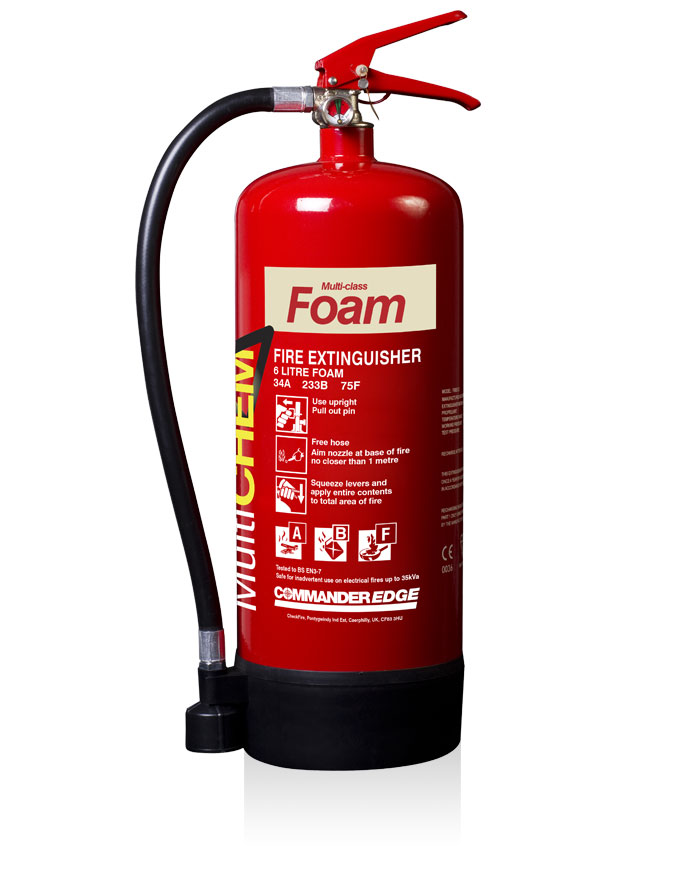
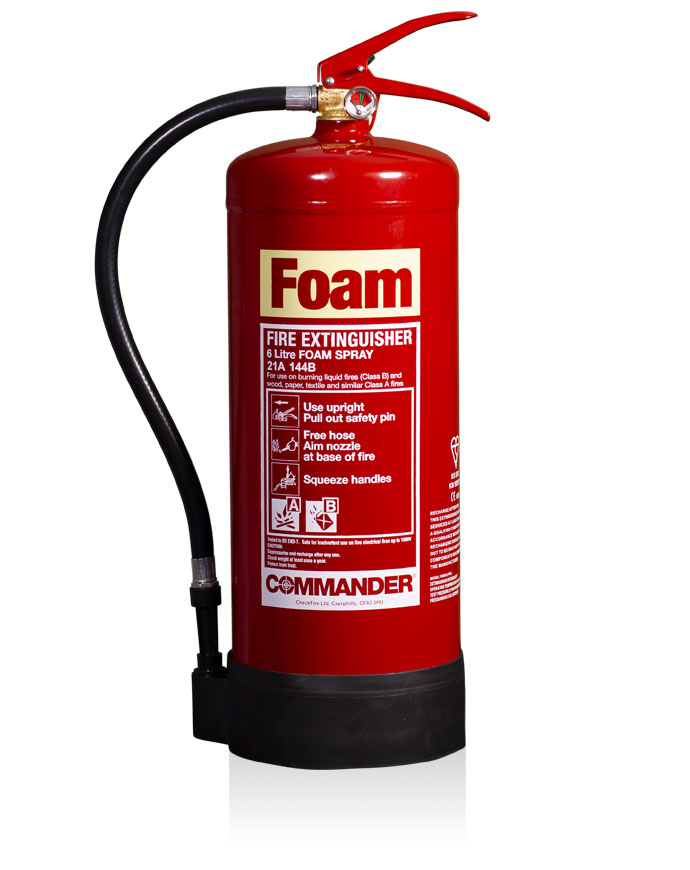
So, why are these liquids such divas? Well, they often burn hotter, faster, and they can sometimes "float" on water, turning a small blaze into a spreading inferno faster than you can say "fire hazard." They're like the escape artists of the fire kingdom. This is where our special heroes come in: the Class B fire extinguishers. They're the specific tools for these specific thrills.
Must Read
Meet the Fire Busters: Carbon Dioxide (CO2) and Dry Chemical
When you're dealing with a flaming pan of grease or a gasoline spill, you need an extinguisher that knows how to play dirty... or rather, not play dirty, in the case of CO2! These bad boys primarily work by either smothering the fire, removing its oxygen supply, or interrupting the chemical reaction that keeps the fire going. It's like a scientific ninja move!
The Chilly Champion: CO2 Extinguishers
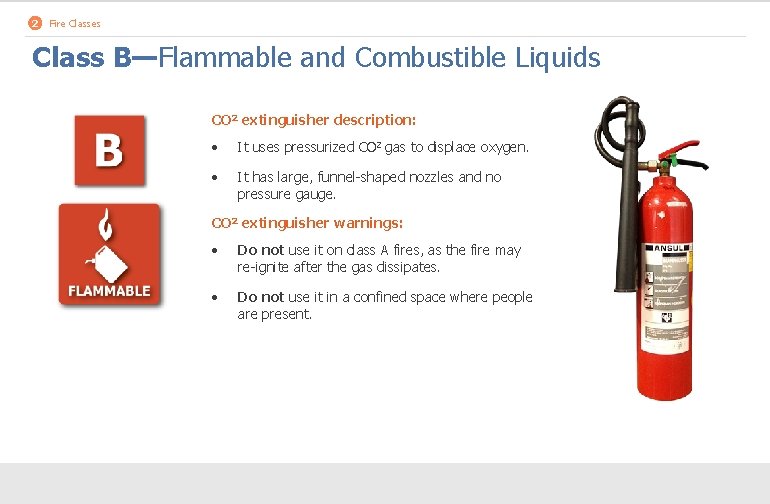
Imagine a fire that needs a time-out. That's where a CO2 extinguisher steps in. It blasts out a super-cold cloud of carbon dioxide gas. This gas is heavier than air, so it quickly blankets the fire, literally suffocating it by displacing the oxygen. Think of it as pulling a super-thick, invisible blanket over the flames. Poof! Fire gone.
The coolest part? CO2 leaves no residue. None! It just dissipates into the air. This makes it a fantastic choice for fires involving delicate electronics or valuable equipment, where a messy powder would cause more damage than the fire itself. It’s the clean-freak of fire suppression, perfect for your fancy kitchen or a garage full of gadgets. Plus, the sheer coldness of the CO2 can help cool the burning material too, adding another layer of awesomeness to its firefighting repertoire.
The Powder Powerhouse: Dry Chemical Extinguishers (BC & ABC)
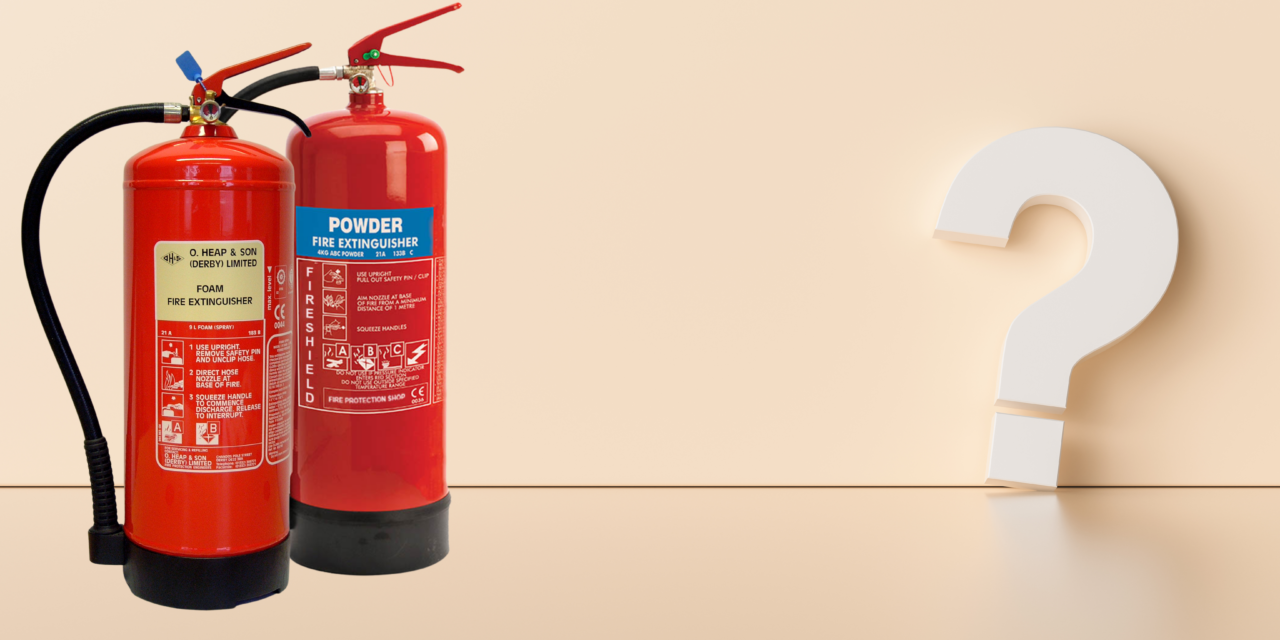
Next up, we have the dry chemical extinguishers. These are your workhorses, often filled with a fine powder made of chemicals like sodium bicarbonate or potassium bicarbonate. When you pull the trigger, out comes a cloud of this powder, smothering the flames and, perhaps more importantly, interrupting the chemical chain reaction of the fire.
It's like telling the fire's internal combustion engine to take a permanent coffee break. These are often labeled as "BC" (for flammable liquids and electrical fires) or "ABC" (which adds ordinary combustibles like wood and paper to its list of conquests). While incredibly effective, these do leave a powdery mess. But hey, a mess is better than a blazing inferno, right? It’s a small price to pay for safety, and it gives you a fun story about "that time I had a powder party to save the house!"
Why This Is Actually Fun to Talk About
Okay, "fun" might not be the first word that comes to mind when you think about fire safety, but hear me out! There's something inherently satisfying about understanding how things work, especially when it comes to protecting ourselves and our stuff. Knowing that you have a specific tool for a specific problem is empowering.
It's like learning the secret handshake of fire prevention! You get to nod sagely when someone talks about putting water on a grease fire, knowing that's a big no-no. You can confidently point to the correct extinguisher type in your garage or kitchen and explain its superpowers. Plus, the science behind it – the chemical reactions, the oxygen deprivation, the sheer physics of it all – is genuinely cool. It's a reminder that even in seemingly mundane objects, there's a world of clever engineering and problem-solving waiting to be discovered.
So, next time you see a fire extinguisher, don't just walk by. Give it a nod of respect. Maybe even check its type (is it an A, B, C, D, or K? Each one has its own special mission!). Knowing your fire extinguishers isn't just about safety; it's about being prepared, being smart, and having a secret weapon against those tricky, flammable liquid fires. And that, my friend, is pretty awesome.