
Fire Alarm Keep Going Off
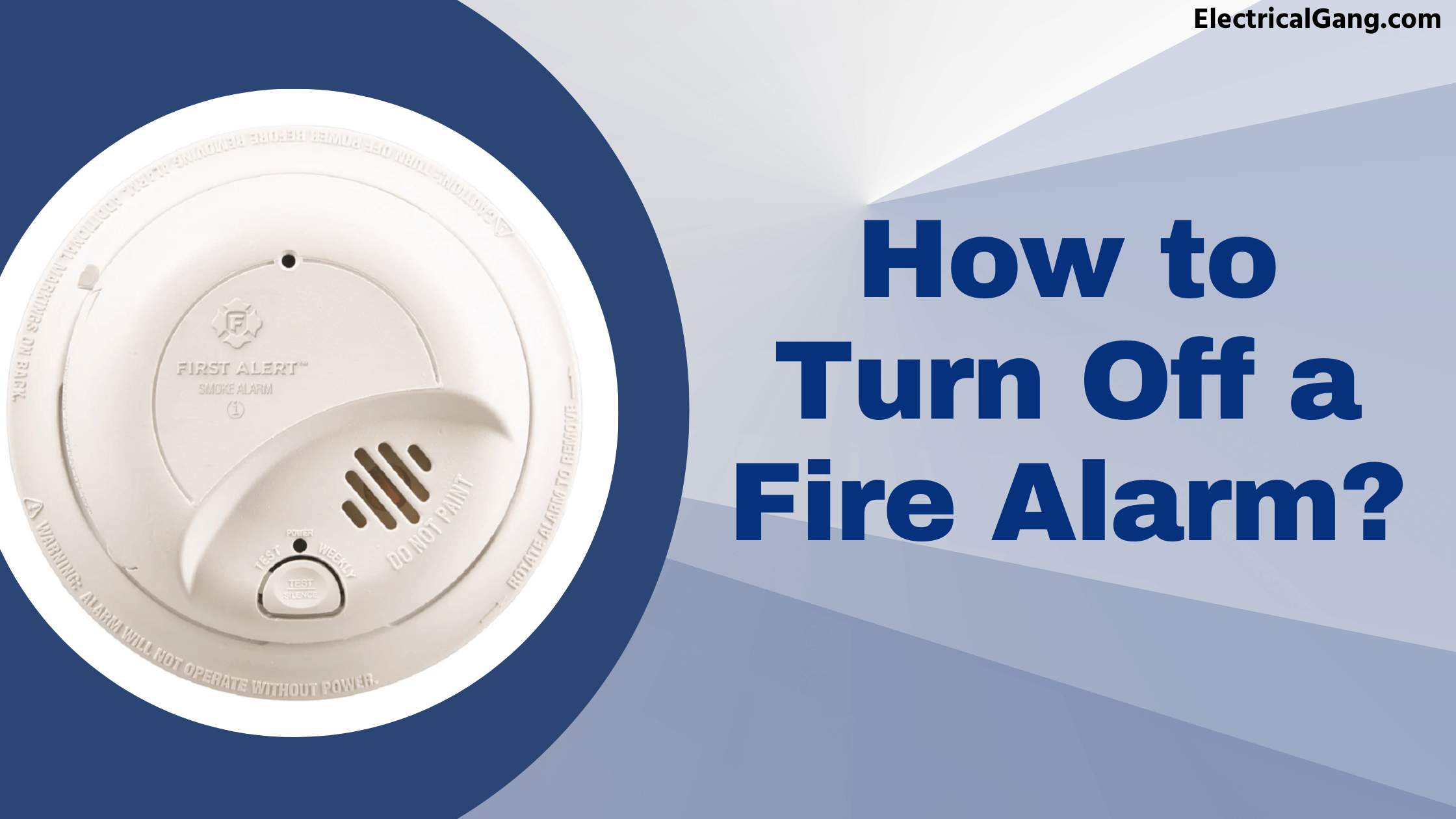
Ah, the sweet symphony of... a blaring fire alarm. We've all been there, right? You're chilling, maybe perfecting your avocado toast, or deep into a Netflix binge, and then — BEEP BEEP BEEP! — the sound that instantly transports you from blissful zen to mild panic, followed by utter annoyance. It's the modern-day equivalent of an unexpected opera, only less melodic and far more likely to send your pets into a frenzy.
Let's be real, while we appreciate the vital role these guardians play in keeping us safe, the false alarm is a special kind of nuisance. It’s that uninvited guest who barges in, makes a scene, and then leaves you wondering what just happened. But before you start plotting its untimely demise, let's unpack why these vigilant little sentinels sometimes overreact, and how we can achieve a little more peace and quiet in our homes.
The Usual Suspects: Why Your Alarm Is Feeling Dramatic
Most fire alarms aren't just crying wolf for kicks. There's usually a reason, even if it's a completely benign one. Understanding the common culprits can help you prevent the next impromptu evacuation.
Must Read
1. The Culinary Catastrophe (or just cooking, really): This is arguably the number one offender. A little too much smoke from that pan-seared salmon, an ambitious toast that turned charcoal, or even just heavy steam from boiling pasta can trigger the alarm. Your smoke detector doesn't differentiate between a five-alarm blaze and your Friday night fajitas. It just smells... smoke!
2. Steam, the Silent Assassin: Ever step out of a steamy shower into a blaring alarm? You're not alone. Hot, humid air can be dense enough to confuse some smoke detectors, particularly those placed too close to a bathroom. It’s like the detector thinks your relaxing spa moment is actually a hazardous fog.
3. Dust Bunnies and Creepy Crawlies: Yep, even tiny dust particles or an adventurous spider making a new home inside your detector can block the sensor and set it off. It’s a bit like a tiny, furry, eight-legged saboteur.
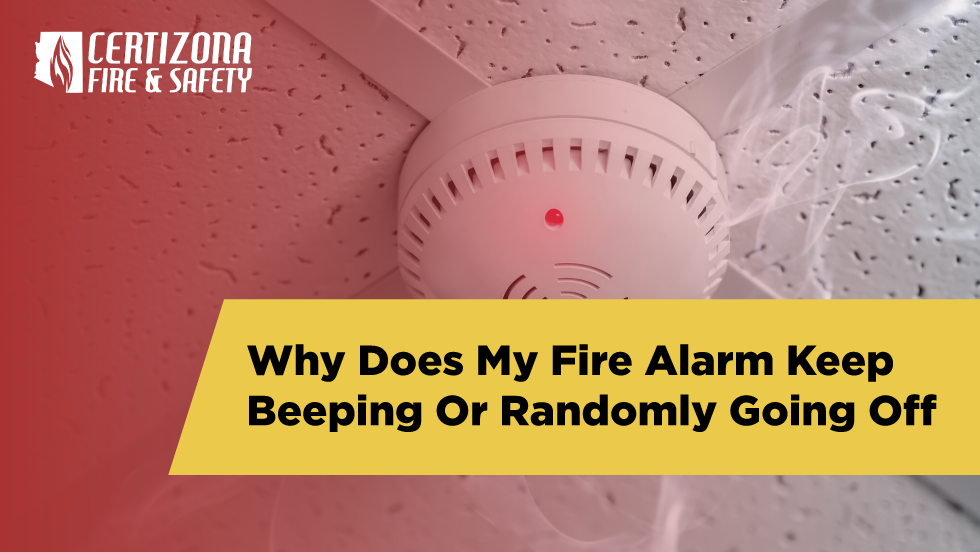
4. The Low Battery Chirp (then the full-blown alarm): This one is almost a rite of passage for homeowners. That persistent, ominous chirping usually means the battery is low. But if left unaddressed, some detectors will escalate to a full alarm when the battery completely dies, perhaps as a last-ditch effort to get your attention.
5. Aging gracefully... or not: Smoke detectors, much like us, have a lifespan. Most manufacturers recommend replacing them every 10 years. Over time, their internal components can degrade, leading to increased sensitivity or false alarms. Think of it as an old friend who's just a little more dramatic in their later years.
Silence is Golden: Practical Tips for a Quieter Life
Okay, so now that we know the why, how do we prevent these jarring interruptions?

Ventilation is your best friend: When cooking, especially anything smoky, crack a window, turn on the exhaust fan, or even open a door. It's a simple step that can save you a lot of grief.
Mind the placement: Install smoke detectors at least 10 feet away from cooking appliances and steamy bathrooms. Avoid placing them near windows, doors, or ducts where drafts might interfere with their operation.
Keep it clean: Once a month, give your smoke detector a quick wipe-down with a damp cloth and gently vacuum around its vents to remove dust and cobwebs. It’s a small effort for a big reward.
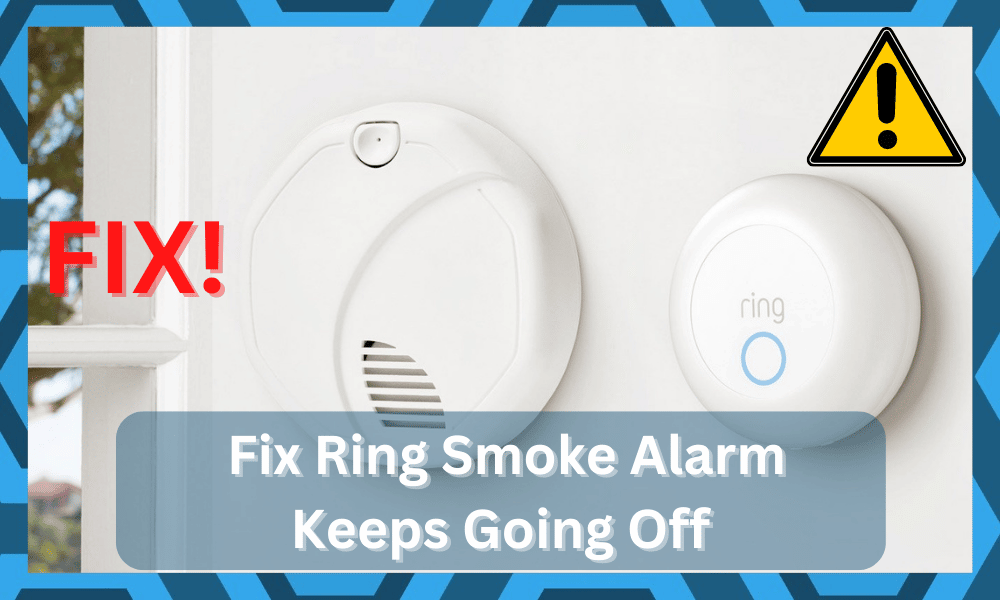
Test and replace, regularly: Test your smoke alarms monthly by pressing the test button. Replace batteries annually (or when you hear the chirp). And remember that 10-year rule for the unit itself! A handy trick: change your batteries when you change your clocks for Daylight Saving Time.
Know your detector type: There are two main types: ionization (better at detecting fast-flaming fires) and photoelectric (better at detecting slow, smoldering fires, and less prone to false alarms from cooking). Having a mix of both types in your home is often recommended for comprehensive protection.
A Little Bit of Lore & Laughter
Did you know the first successful residential smoke detectors emerged in the 1960s? And today, some smart home systems even have "hush" buttons on an app, letting you silence a false alarm without needing a chair and a broomstick. Talk about modern convenience! It turns out, we've been dealing with dramatic smoke detectors for decades.
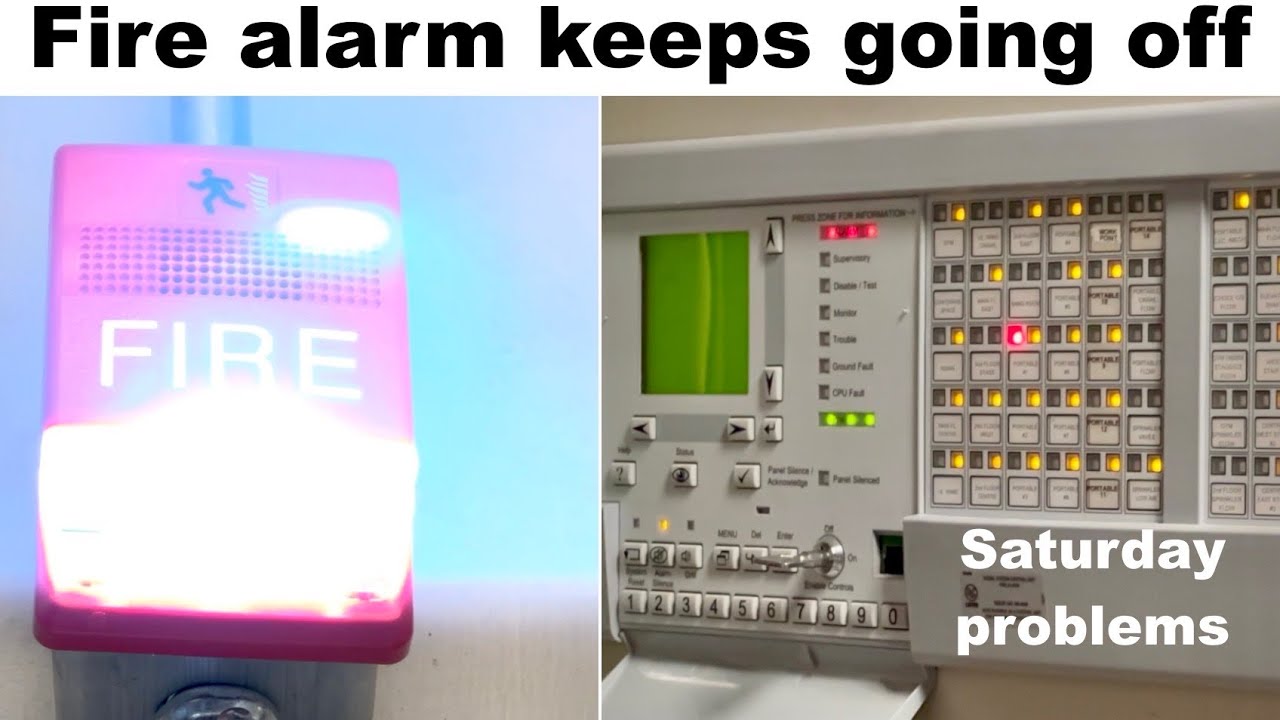
In dense urban areas, a fire alarm going off often triggers a chain reaction of neighborly speculation. Is it burnt toast? Someone really trying a new recipe? Or just another fire drill for the entire building? It’s a shared experience, a collective sigh, and sometimes, a quick exchange of knowing glances across apartment hallways.
The Takeaway: More Than Just Noise
While a fire alarm blaring for no apparent reason can be incredibly annoying, it’s a vital reminder of our safety infrastructure. These loud, insistent devices are designed to protect us, even if their overzealousness sometimes tests our patience. They’re a nudge to pay attention, to perform a little routine maintenance, and ultimately, to appreciate the quiet when it returns.
So, the next time your fire alarm decides to make a grand entrance, take a deep breath. Address the cause, give it a clean, or swap out its battery. And then, resume your avocado toast or Netflix binge, knowing that sometimes, even the most dramatic interruptions are just looking out for you. It's a little like life, isn't it? The unexpected alarms often prompt us to check in, ensure everything’s okay, and then carry on, a little wiser for the wear.