
Fire Alarm Beeping After Battery Replaced

Ah, the sweet victory! You’ve finally done it. You wrestled that stubborn fire alarm off the ceiling, painstakingly swapped out its drained battery, and triumphantly reattached it. Silence, at last! Or… wait. What’s that faint, insistent chirp? It’s back. And it’s mocking you. You just replaced the battery, for goodness sake! What gives?
If you've ever found yourself in this all-too-common scenario, take a deep breath. You're not alone, and your fire alarm isn't possessed (probably). This persistent post-battery beep is a universally recognized household conundrum, a rite of passage for every homeowner and renter. Let’s dive into why your usually vigilant sentinel is suddenly so stubborn, and more importantly, how to finally achieve that blissful quiet.
Why is This Happening?!
Before you resort to extreme measures (like hiding under the bed until it stops), understand that there are usually a few perfectly logical reasons for this auditory annoyance:
Must Read
1. The Capacitor Conundrum: This is the most common culprit. Fire alarms aren’t just simple battery-operated devices; they have a small internal capacitor that stores a tiny bit of residual charge. Even after you remove the old battery, this capacitor might hold just enough juice to keep the "low battery" signal active for a short while. It’s like your computer needing a hard reboot – it needs to fully drain to reset itself properly. Think of it as your alarm’s way of saying, "I need a moment to process this change."
2. Dust Bunnies and Debris: Fire alarms are designed to be sensitive. Sometimes, dust, cobwebs, or even small insects can accumulate inside the sensing chamber, tricking the alarm into thinking there’s a problem. A quick battery swap won't clear this blockage.

3. End-of-Life Chirp: All good things must come to an end, and that includes your fire alarm. Most smoke detectors have a lifespan of about 7-10 years. After this period, their internal components can degrade, making them less reliable. Many modern alarms are designed to emit a specific end-of-life chirp to signal that it’s time for a full replacement, not just a new battery. Check the back for a manufacturing date or a "replace by" sticker.
4. Interconnected Systems: If you have multiple smoke alarms wired together (common in newer homes), one alarm with a legitimate low battery or malfunction can trigger a chirp across the entire system. You might have fixed your immediate problem, but a different unit is still sending out an SOS.

5. The Wrong Battery Type (Less Common Now): While most alarms are happy with standard 9V alkaline batteries, some older or specialized units might prefer a specific type. Double-check your alarm’s manual if you’re unsure, though this is rare with a fresh, quality battery.
Your Action Plan: Silence is Golden
Okay, now for the practical magic. Here’s how to bring peace back to your domain:
1. The Hard Reset (The Big One!): This is your go-to move for the capacitor issue.
- Remove the battery again.
- Find the "Test" button on your alarm.
- Press and hold the Test button for 15-30 seconds. This action helps to fully drain any residual charge from the capacitor. You might hear a brief, weak chirp as it powers down.
- Release the button.
- Reinsert your fresh battery.
- Reattach the alarm.
Fingers crossed, this often does the trick! If it doesn't, wait a few minutes. Sometimes it needs a moment to truly settle.
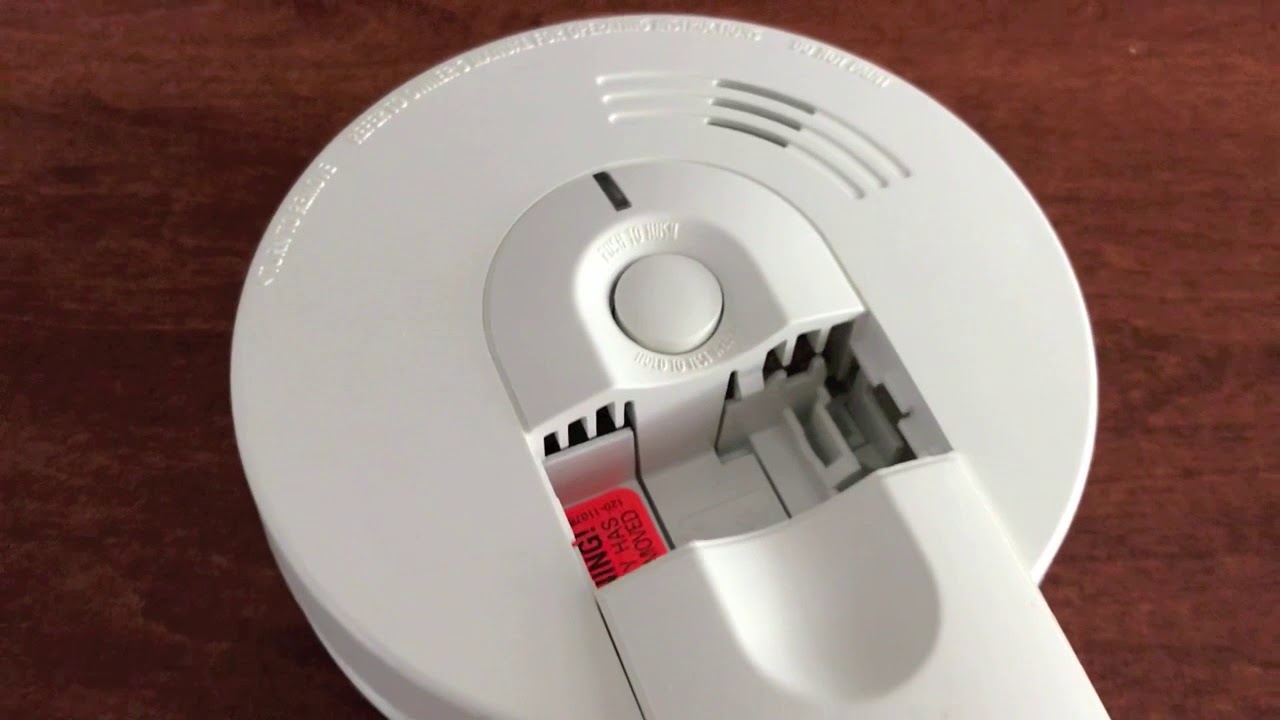
2. Give it a Good Cleaning: If the hard reset didn't work, dust might be the culprit.
- Remove the alarm and battery.
- Using a soft-bristled brush or the brush attachment of your vacuum cleaner, gently clean around the vents and sensor openings.
- You can also use a can of compressed air (from a safe distance) to blow out any stubborn debris. Just be gentle!
- Reinsert the battery and reattach.
3. Check the Date and Consider Replacement: If your alarm is over 7-10 years old, it’s probably time to replace the entire unit. It’s a small price for crucial safety. Look for the "replace by" date printed on the back. It’s a bit like replacing your car tires – they wear out over time, even if they look fine.
4. Identify the True Chirper in Interconnected Systems: If you have multiple alarms, stand directly under each one to figure out which unit is actually chirping. Sometimes, the sound can echo and make it hard to pinpoint the source. Once you find the offending unit, apply the hard reset or cleaning tips to that specific alarm.

5. Read the Manual: Yes, that tiny booklet nobody ever reads! The manufacturer's instructions often have specific troubleshooting tips for your model. It’s like a secret cheat sheet for your specific device.
A Little Reflection on the Chirp of Life
That persistent little fire alarm chirp, even after we think we've "fixed" the problem, is a wonderfully relatable metaphor for life itself. How often do we tackle a challenge, only to find a lingering, low-frequency signal that something still isn't quite right? It reminds us to be patient, to not just address the obvious fix but to dig a little deeper – to perform the "hard reset," clean out the "dust," or recognize when something has simply reached its natural end-of-life.
So, the next time your fire alarm decides to keep chirping, don't despair. Use it as a moment to practice a little patience, a little problem-solving, and remember that sometimes, even after you’ve replaced the battery, a device (or a situation) just needs a moment, a thorough reset, or a complete overhaul to truly find its peace and function effectively. And truly, nothing beats the peace of mind knowing your home is genuinely safe and blessedly quiet.